News Summary
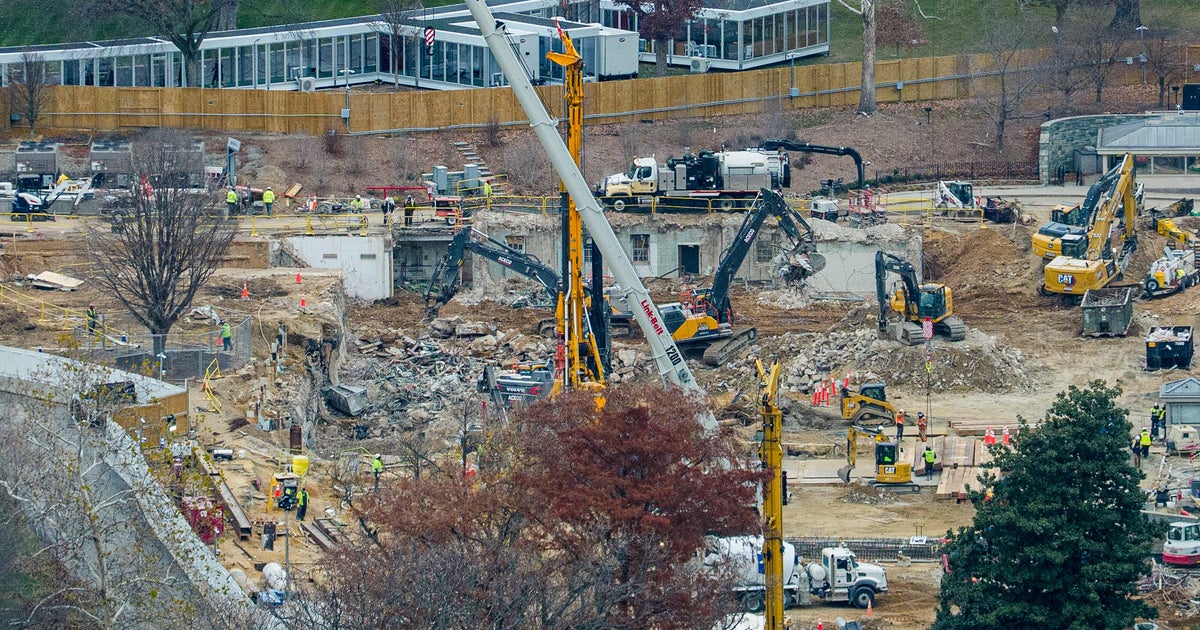
Democratic Representative Jamie Raskin is set to introduce the 'People's White House Historic Preservation Act,' which would require that White House renovations, including President Trump's ongoing ballroom project, be subject to the same historic preservation reviews as other federal projects. Currently, the White House is exempt from the National Historic Preservation Act's oversight. The bill would mandate public input and formal review before any significant changes are made to the historic building. The move comes after the demolition of the East Wing and the start of a $300 million privately-funded ballroom addition, which has faced little formal scrutiny. Legal challenges have been raised by preservation groups, and the administration maintains that the president has full legal authority over White House renovations. The bill faces uncertain prospects in the Republican-controlled House.
Biblical Reflection
This story raises profound questions about stewardship, authority, and respect for what is held in trust for the public. Biblically, leaders are called to serve as stewards—not owners—of what is entrusted to them (Luke 12:42-48). The White House, as a symbol of the nation, does not belong to any one person but to the people. When leaders act as if public property is their own, it can reflect a spirit of pride or self-interest rather than humility and servant leadership. Scripture warns against treating what belongs to the community as personal possession (Ezekiel 34:2-4). Transparent processes, accountability, and respect for history align more closely with biblical virtues of justice, humility, and stewardship. Raskin's push for greater oversight echoes these values by seeking to ensure that no leader is above the law and that public voices are considered. The controversy also highlights the tension between legal authority and moral responsibility—a reminder for Christians to pray for wisdom and humility for those in power, and to advocate for structures that protect the common good.
Scripture in context
This outlook does not yet include contextual Scripture citations. Do not treat a general biblical theme as an exegetical conclusion.
Faithful Response
No prescribed response is offered. Consider the reflection prompts below in your own church context.
Reflection and Discussion
- 1How do I steward the resources and responsibilities entrusted to me, whether great or small?
- 2What does it look like for leaders to act with humility and accountability in positions of power?
- 3How can we as citizens ensure our voices are heard in decisions that affect the common good?
Sources
Reporting links are evidence inputs; Sanctuary News' biblical reflection is commentary.
This outlook currently relies on fewer than two linked sources. Broaden verification before teaching from it.
- 1.Original reportprimary