News Summary
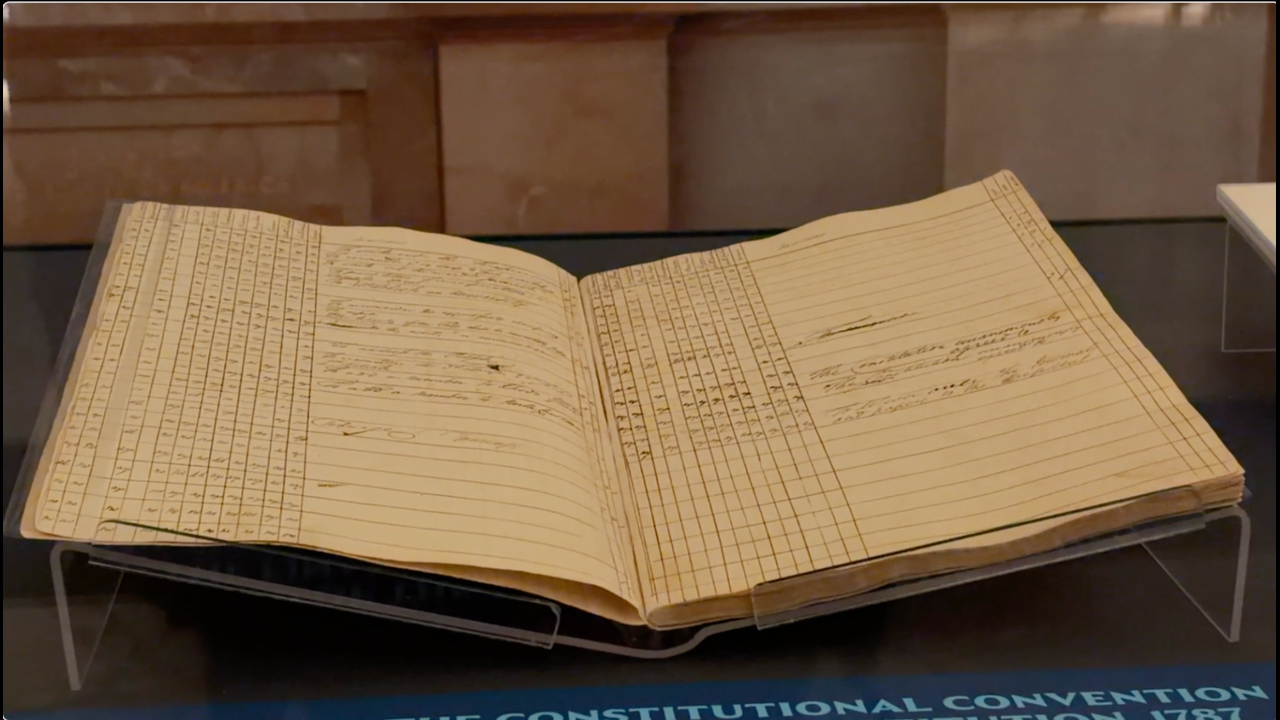
The National Archives has launched a nationwide tour called the 'Freedom Plane National Tour: Documents That Forged a Nation,' featuring nine rare founding-era documents that are usually housed in Washington, D.C. These include the Articles of Association (1774), oaths of allegiance from George Washington, Alexander Hamilton, and Aaron Burr (1778), the Treaty of Paris (1783), a tally of votes approving the U.S. Constitution (1787), a secret draft of the Constitution (1787), and an 1823 engraving of the Declaration of Independence. The exhibit, which begins in Kansas City and will travel to major cities across the U.S., aims to give Americans a rare, up-close look at the nation's founding documents ahead of the country's 250th anniversary. The documents are displayed under strict preservation conditions, and the exhibit is designed to educate visitors about the American Revolution, the creation of the government, and the Bill of Rights. Organizers and museum leaders emphasize the opportunity for Americans to connect personally with their nation's history.
Biblical Reflection
From a biblical perspective, remembering and honoring history aligns with the value Scripture places on remembering God's acts and the importance of heritage. The Israelites regularly rehearsed their story of deliverance from Egypt and the giving of the Law so future generations would not forget God's faithfulness (Deuteronomy 6:20-25). Likewise, the founding documents of the United States are not sacred texts, but they do represent the striving for liberty, justice, and self-governance—principles that resonate with scriptural values such as freedom (Galatians 5:1), justice (Micah 6:8), and stewardship of civic responsibility (Romans 13:1-7). However, Christians are reminded that true freedom is ultimately spiritual, not merely political, and that our ultimate allegiance is to the Kingdom of God. Celebrating the nation's heritage can serve as a moment to give thanks, reflect on both the nation's virtues and shortcomings, and renew a commitment to justice, mercy, and humility before God. The exhibit is a positive opportunity for education and gratitude, but Christians should view these documents as important, yet secondary to the eternal values taught in Scripture.
Scripture in context
This outlook does not yet include contextual Scripture citations. Do not treat a general biblical theme as an exegetical conclusion.
Faithful Response
No prescribed response is offered. Consider the reflection prompts below in your own church context.
Reflection and Discussion
- 1How do I remember and give thanks for the blessings and freedoms I have, and how do I use them to serve others?
- 2In what ways am I contributing to justice and mercy in my community, as called for in Scripture?
- 3How does my identity as a Christian shape the way I engage with my nation’s history and culture?
Sources
Reporting links are evidence inputs; Sanctuary News' biblical reflection is commentary.
This outlook currently relies on fewer than two linked sources. Broaden verification before teaching from it.
- 1.Original reportprimary