News Summary
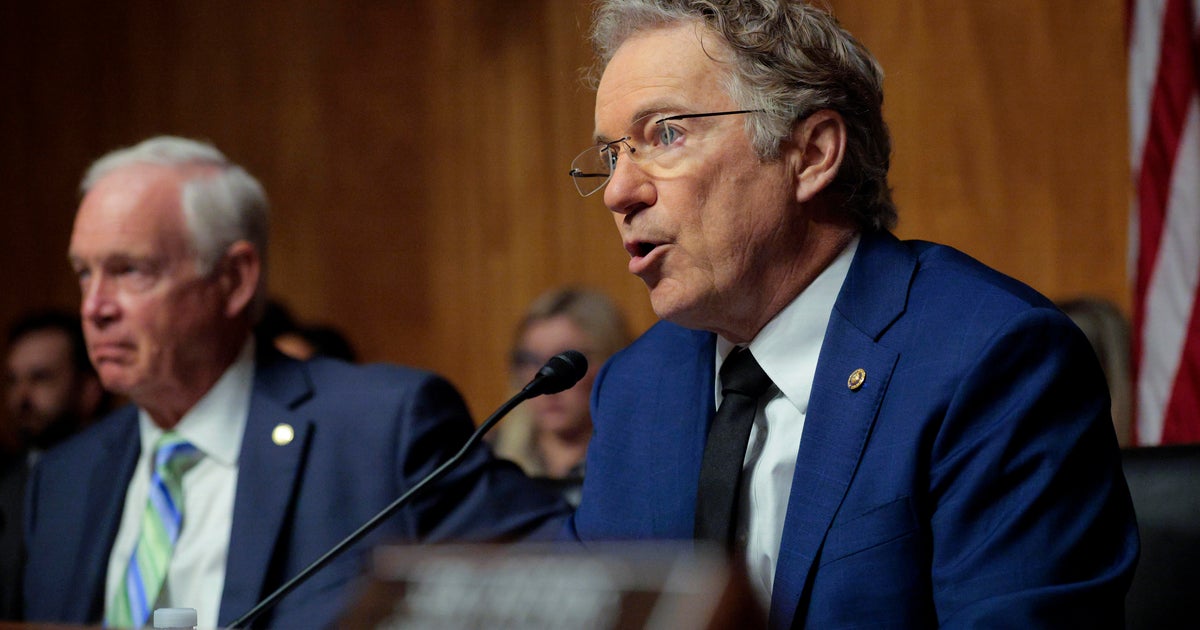
Sen. Markwayne Mullin appeared before the Senate Committee on Homeland Security & Governmental Affairs for his confirmation hearing as President Trump’s nominee to be Secretary of Homeland Security, replacing Kristi Noem. During the hearing, Senate Homeland Security Chairman Rand Paul sharply criticized Mullin for past comments in which Mullin said he could “understand” why a neighbor attacked Paul in 2017 and reportedly called Paul a “freaking snake.” Paul described the physical injuries he sustained in the assault and accused Mullin of condoning political violence and having “anger issues,” citing a 2023 Senate committee exchange where Mullin challenged Teamsters President Sean O’Brien to a physical fight. Mullin denied apologizing but defended his past remarks as criticism of Paul’s behavior and pledged to set aside partisan bickering to perform the DHS role. Paul pressed Mullin for contrition and played a video compilation of Mullin’s aggressive remarks. The committee dynamics also included Paul blocking Sen. Katie Britt from introducing Mullin; Britt said she will submit her remarks for the record. Despite likely opposition from Paul, Mullin appears likely to advance out of committee to a full Senate vote where a simple majority would confirm him, and at least one Democratic committee member has signaled support.
Biblical Reflection
From a biblical perspective this story raises several moral and spiritual concerns about leadership, truthfulness, and the public posture Christians should expect from those who would lead institutions responsible for public safety. Scripture warns against anger that breeds harm (Ephesians 4:31–32) and calls leaders to exhibit self-control, humility, and justice (Galatians 5:22–23; Micah 6:8). Two core issues stand out:
- Condoning or normalizing violence: Public comments that appear to justify or celebrate an assault undermine the biblical commitment to the sanctity of persons and to peacemaking. Jesus taught that reconciliation and love for enemies are marks of his followers (Matthew 5:21–24; 5:43–44). A leader charged with overseeing law enforcement and homeland security should not signal tolerance for political violence; doing so damages trust and risks encouraging lawlessness rather than restraint.
- Temperament, repentance, and public witness: The Bible holds leaders to a high standard of character (1 Timothy 3:1–7). Persistent anger, boastful aggression, or lack of contrition damages witness and erodes the moral authority needed to lead. At the same time, Scripture emphasizes repentance and restoration. If a public figure has spoken harshly or wrongly, genuine repentance and corrective action are expected rather than deflection or dismissal (James 5:16; Luke 17:3–4).
Practically, Christians should weigh both facts and character. We should neither rejoice in political defeat nor excuse conduct that normalizes violence or incivility. Our prophetic role includes calling for truth, accountability, and integrity in public life while also praying for the transformation of hearts. Where leaders fall short, the church must insist on repentance, reform, and the protection of the vulnerable. Where there is genuine repentance and reform, the church can model forgiveness and restoration—always coupled with prudence about entrusting positions of public responsibility.
Scripture in context
This outlook does not yet include contextual Scripture citations. Do not treat a general biblical theme as an exegetical conclusion.
Faithful Response
No prescribed response is offered. Consider the reflection prompts below in your own church context.
Reflection and Discussion
- 1When I hear public leaders justify or minimize violence, what personal convictions and biblical principles does that stir in me?
- 2How do I balance the call to hold leaders accountable with the call to pray for and, where appropriate, forgive them?
- 3If I were in a position of leadership, how would I demonstrate repentance and humility after speaking or acting in anger?
Sources
Reporting links are evidence inputs; Sanctuary News' biblical reflection is commentary.
This outlook currently relies on fewer than two linked sources. Broaden verification before teaching from it.
- 1.Original reportprimary