News Summary
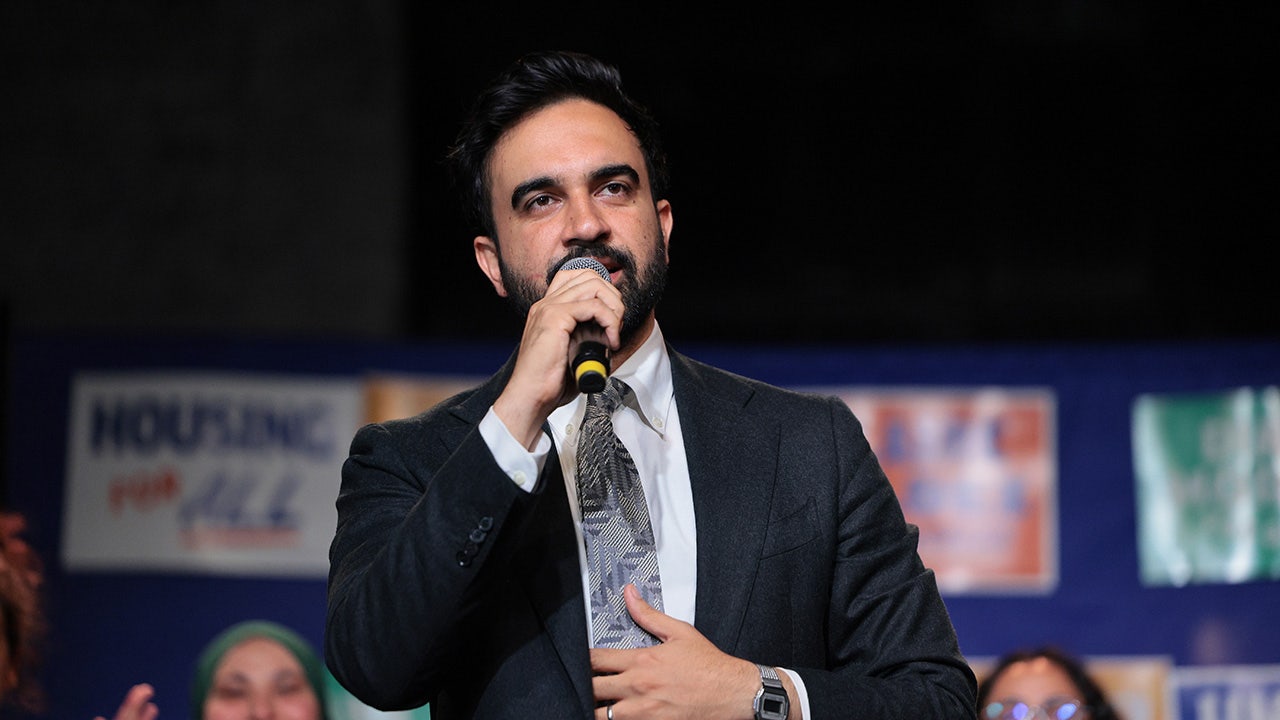
At a June 18 rally ahead of New York City's Democratic primaries, Mayor Zohran Mamdani described AIPAC as "monsters" who use "millions in dark money" to preserve power. More than 700 rabbis from across the country sent a letter calling on Mamdani to apologize, saying his language dehumanized pro‑Israel civic participation and put American Jews and their allies at greater risk. Mamdani defended his comments, saying he was criticizing an organization that supports a "status quo" he regards as immoral and said he was quoting Antonio Gramsci; his office also reiterated prior remarks affirming Jewish New Yorkers' right to safety and noted a planned $26 million annual investment to expand hate‑crime prevention. Critics cited in the article include Rep. Josh Gottheimer, who called the rhetoric "laundering antisemitism," ADL CEO Jonathan Greenblatt, and Rabbi Yaacov Behrman; signers of the rabbis' letter said they represented a range of views on Israel and U.S. politics.
Biblical Reflection
Christian discernment recognizes two legitimate concerns at once: public leaders may rightly criticize organizations, policies, and structures of power, yet language that dehumanizes or frames a civic constituency as morally illegitimate risks fueling prejudice and harm against people who share that identity. Mamdani's stated intention was political critique of a powerful lobbying group and the status quo; critics reasonably warn that his word choice — coming from the mayor of a city with a very large Jewish population — can be perceived as targeting Jews broadly and can contribute to a climate of fear. Scripture calls leaders to speak truth with humility and to protect the vulnerable; rhetoric that flattens complex civic actors into "monsters" fails that test. At the same time, some media and political responses may amplify worst‑case readings without full engagement with his clarifying statements, so Christians should avoid immediate moral certainty and seek careful listening. Pastoral responsibility here is to defend the safety and dignity of Jewish neighbors, resist conspiratorial thinking, and hold public officials accountable to responsible speech while allowing room for repentance, clarification, and concrete measures that reduce harm.
Scripture in context
This outlook does not yet include contextual Scripture citations. Do not treat a general biblical theme as an exegetical conclusion.
Faithful Response
No prescribed response is offered. Consider the reflection prompts below in your own church context.
Reflection and Discussion
- 1When criticism of a political organization overlaps with an identity group, how do we judge whether speech is targeting policy or people?
- 2Are we more inclined to assume bad intent because of political alignment, and how might that bias cloud our call for justice and safety?
- 3What concrete steps should leaders take after causing community concern: apology, clarification, or policy actions to demonstrate protection for the targeted group?
Sources
Reporting links are evidence inputs; Sanctuary News' biblical reflection is commentary.
This outlook currently relies on fewer than two linked sources. Broaden verification before teaching from it.
- 1.Original reportprimary