News Summary
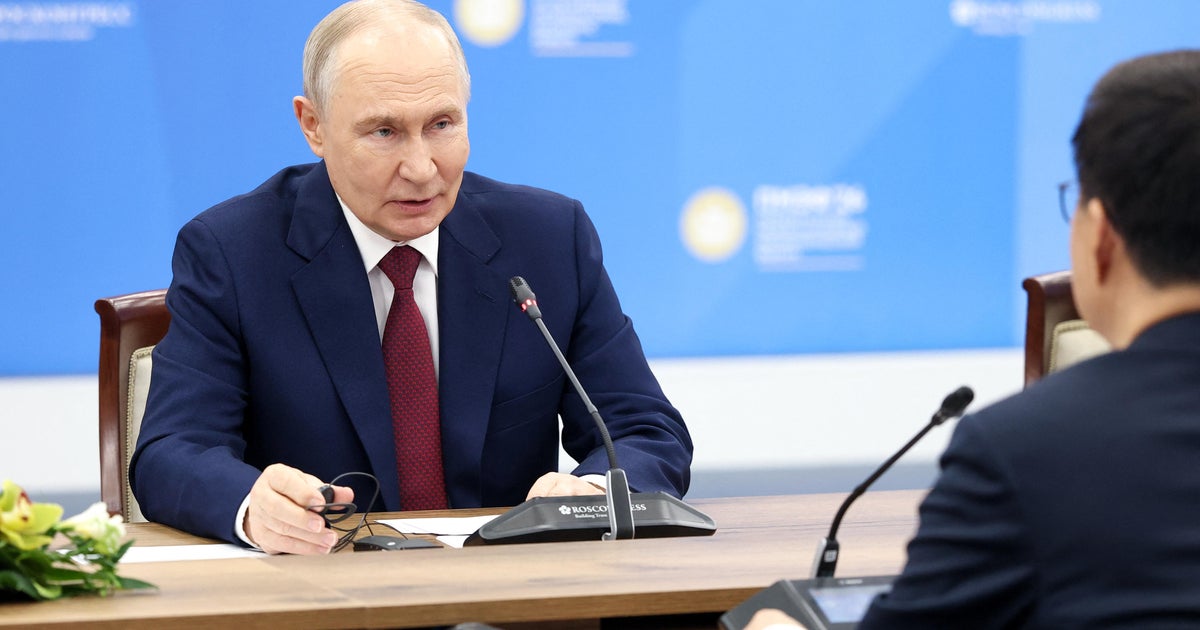
Ukrainian President Volodymyr Zelenskyy published a public letter urging a meeting with Russian President Vladimir Putin to discuss ending the war. Speaking at the St. Petersburg International Economic Forum, Putin called Zelenskyy’s letter “boorish,” said he sees “no point” in meeting now, and suggested the letter created conditions that would make talks impossible. Putin cited a May 22 Ukrainian drone attack on a dormitory in Russian-controlled Luhansk that Moscow says killed and wounded many as a reason to reject an immediate meeting. He reiterated that Russia seeks a comprehensive settlement rather than a temporary ceasefire and said Kyiv would need to accept compromises he referenced from last year’s Anchorage discussions with former U.S. President Donald Trump. Putin also addressed Iran (denying weapon transfers), criticized Western sanctions and their economic effects, defended Russia’s macroeconomic position, and vowed to strengthen defenses after Ukrainian strikes, including a recent drone attack on an oil terminal and naval base near St. Petersburg. In Washington, President Trump said he welcomed a meeting between the two leaders.
Biblical Reflection
The article reports a high-stakes diplomatic rejection that reflects rival political aims and deep mistrust. Putin’s public refusal and framing—labeling Zelenskyy’s outreach as provocation while insisting on preconditions for talks—align with a posture of bargaining from strength rather than immediate peacemaking. That posture risks prolonging suffering for civilians and hardening positions on both sides. The reporting largely presents official statements and events without independent verification of some claims (e.g., casualty figures or alleged contacts), so readers should be cautious about accepting state narratives uncritically. From a Christian perspective, the hope for peace must be balanced with pursuit of justice and protection of the vulnerable: calls for negotiation are morally meaningful only if they genuinely aim to stop violence and restore human dignity rather than secure territorial gains. Christians should therefore discern rhetoric that prioritizes power and prestige over truth and mercy, advocate for avenues that reduce harm to civilians, and pray and speak for honest, courageous diplomacy that seeks a just and lasting peace.
Scripture in context
This outlook does not yet include contextual Scripture citations. Do not treat a general biblical theme as an exegetical conclusion.
Faithful Response
No prescribed response is offered. Consider the reflection prompts below in your own church context.
Reflection and Discussion
- 1Does the refusal to meet reflect a genuine search for a just settlement or a desire to preserve military or political advantage?
- 2Which voices and sources are being centered in this reporting, and where might official statements obscure the humanitarian realities on the ground?
- 3How should Christians weigh diplomatic gestures that come with preconditions that could entrench injustice or prolong suffering?
Sources
Reporting links are evidence inputs; Sanctuary News' biblical reflection is commentary.
This outlook currently relies on fewer than two linked sources. Broaden verification before teaching from it.
- 1.Original reportprimary