News Summary
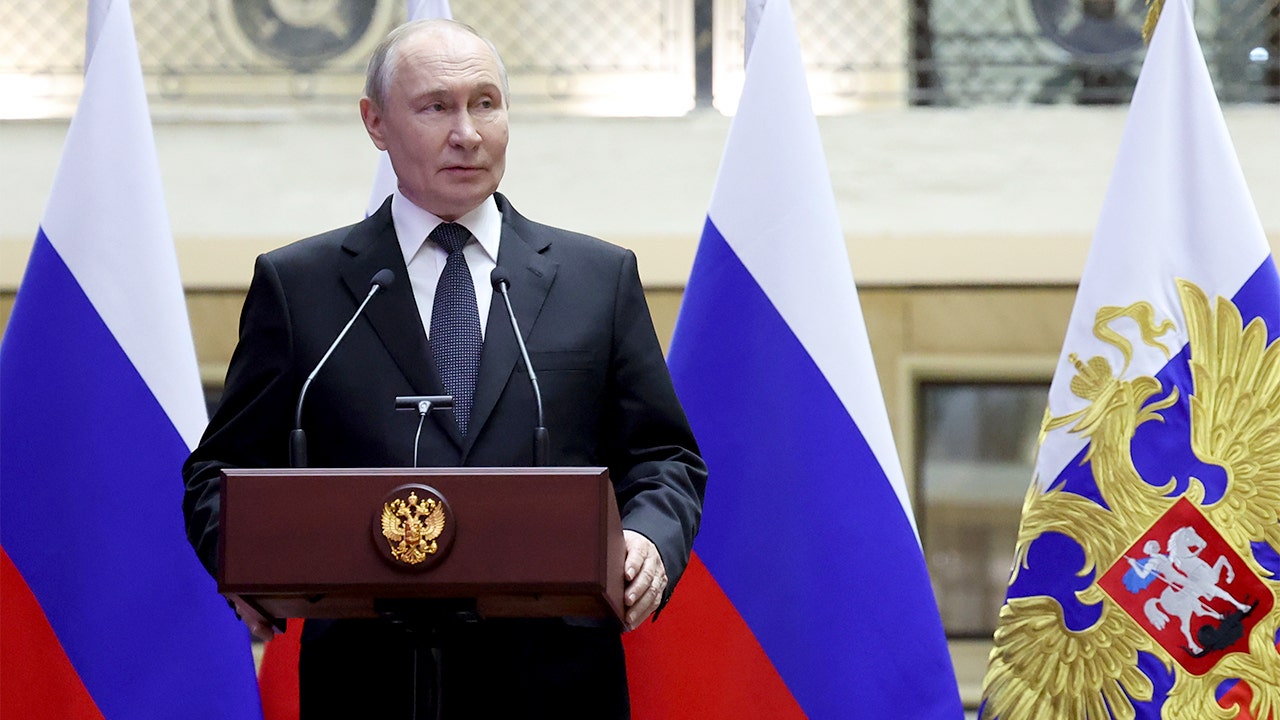
Russian President Vladimir Putin stated at a Defense Ministry meeting that Russia's objectives in Ukraine remain unchanged and will be achieved, either through diplomatic negotiations or by military force if diplomacy fails. Putin highlighted Russia's military progress and technological advancements, insisting the war's goals—termed by the Kremlin as a 'special military operation'—would undoubtedly be met. He criticized Kyiv and European leaders, accusing them of fueling anti-Russian sentiment and attempting to undermine Russia. During the meeting, Putin made derogatory remarks about European leaders, calling them 'piglets'. Meanwhile, NATO Secretary General Mark Rutte cautioned member states about the possibility of Russian military aggression against the alliance, urging increased defense spending. Ongoing negotiations involving U.S., European, Russian, and Ukrainian officials are underway, with recent high-level meetings in Berlin and Moscow seeking paths to peace, though specifics remain undisclosed.
Biblical Reflection
From a biblical perspective, the ongoing escalation and language of force stand in stark contrast to Christ’s teachings on peace, humility, and reconciliation. The insistence on achieving national goals 'by any means,' including violence, echoes the 'ways of the world' rather than the way of Christ, who calls His followers to be peacemakers (Matthew 5:9). The use of derogatory language towards other leaders reveals a prideful spirit and a lack of respect for the inherent dignity of all people, counter to biblical commands to speak with grace (Colossians 4:6) and to love one’s enemies (Matthew 5:44). God calls nations and leaders to seek justice, mercy, and humility (Micah 6:8), not to pursue their own interests through war and derision. The ongoing suffering caused by war should move Christians to pray for true peace and for leaders to seek wisdom and humility, remembering that lasting reconciliation is only possible through truth, repentance, and forgiveness. In light of this, believers are reminded to place their hope in God's ultimate justice and peace, rather than in the power struggles of this world.
Scripture in context
This outlook does not yet include contextual Scripture citations. Do not treat a general biblical theme as an exegetical conclusion.
Faithful Response
No prescribed response is offered. Consider the reflection prompts below in your own church context.
Reflection and Discussion
- 1How do my attitudes and words reflect Christ’s call to be a peacemaker in a world prone to conflict?
- 2In what ways can I pray for and encourage leaders to pursue genuine reconciliation rather than resorting to force or prideful rhetoric?
- 3How does my faith inform my response to news of war and political hostility?
Sources
Reporting links are evidence inputs; Sanctuary News' biblical reflection is commentary.
This outlook currently relies on fewer than two linked sources. Broaden verification before teaching from it.
- 1.Original reportprimary