News Summary
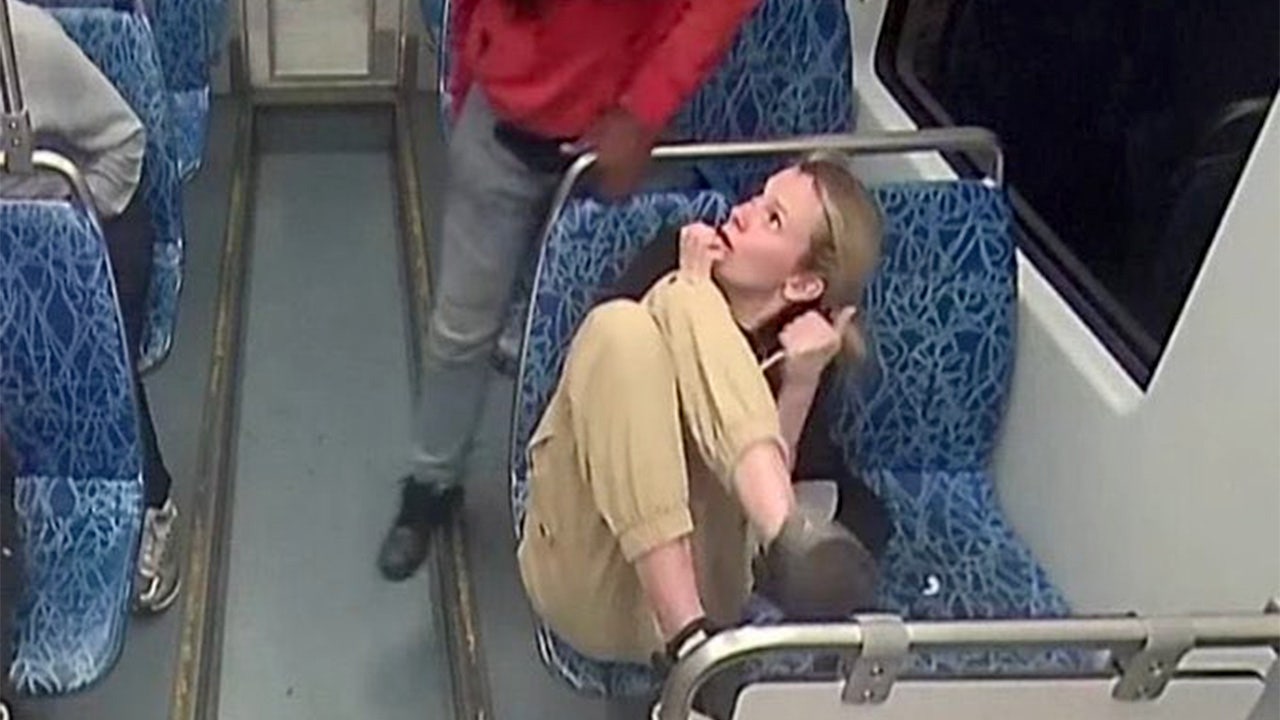
Providence Mayor Brett Smiley criticized and called for the removal of a privately commissioned mural in Providence that honored Iryna Zarutska, a Ukrainian refugee who was fatally stabbed on a Charlotte light‑rail train in August 2025. The mural was being painted on the exterior of The Dark Lady, a privately owned LGBT bar. Smiley said the project was divisive, did not follow the city's public‑art commissioning process, and had become politicized after an erroneous tweet by the president and funding support from individuals identified as conservative donors; Elon Musk donated $1 million toward a nationwide campaign of murals depicting Zarutska. The bar initially defended the mural, then paused the project amid backlash, and later announced it had shut the project down after “reflecting and learning.” The suspected killer, Decarlos Brown Jr., who has a history of prior convictions, has been charged in Zarutska’s death. Local reactions included protests and online disputes. Smiley emphasized his view that the mural was not bringing the community together and characterized the intent behind funding similar murals as isolating and divisive.
Biblical Reflection
This story sits at the intersection of grief, public memory, free expression, private property rights, and local politics. Factually, the article reports a mayor urging removal of a privately commissioned mural after it became politically charged; it notes fundraising by a high-profile donor and local backlash. From a Christian perspective, several biblical priorities are relevant: the sanctity of human life and honoring the dignity of victims; seeking justice for violent crime; and the call to pursue peace and unity within communities. Christians should be cautious about the politicization of tragedy—when honoring a victim becomes a vehicle for partisan messaging, it can deepen wounds rather than promote healing. At the same time, free expression and private property rights matter; the mural was on private property, and local artists and owners rightly have space to commemorate. The mayor’s appeal to process and community unity is not inherently wrong, but it risks dismissing public grief or the legitimate desire to memorialize if applied unevenly. Media framing can also shape perceptions—note this piece’s emphasis on funding sources and political labels, which may shift attention from the victim and the underlying issues of public safety and criminal accountability. Biblically rooted Christian response looks for truth, justice, and reconciliation: mourn with those who mourn (Romans 12:15), speak truth in love (Ephesians 4:15), defend victims and pursue justice (Proverbs 31:8–9), and avoid exploiting tragedy for partisan gain. Christians should evaluate both the motives of organizers and of opponents, advocate for fair processes for public commemoration, and prioritize compassionate remembrance and constructive civic dialogue over symbolic victories.
Scripture in context
This outlook does not yet include contextual Scripture citations. Do not treat a general biblical theme as an exegetical conclusion.
Faithful Response
No prescribed response is offered. Consider the reflection prompts below in your own church context.
Reflection and Discussion
- 1How does the article shift attention between the victim, the accused, and the political actors funding or opposing the mural—and what does that reveal about the media’s priorities?
- 2When public memorials become politically funded or framed, how can a community balance honoring victims with protecting communal unity and process?
- 3Are calls to remove or defend a memorial grounded more in consistent principles (justice, process, free expression) or in partisan signaling—and how can Christians discern the difference?
Sources
Reporting links are evidence inputs; Sanctuary News' biblical reflection is commentary.
This outlook currently relies on fewer than two linked sources. Broaden verification before teaching from it.
- 1.Original reportprimary