News Summary
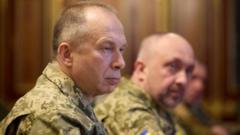
The BBC reports protesters are calling for the removal of Ukrainian army chief Oleksandr Syrskyi and the reinstatement of former defence minister Mykhailo Fedorov, setting a Friday deadline; the article states the dispute has escalated but provides no independent corroborating detail about the scale, organizers, or any official response.
Source and Framing Analysis
The article is a short report that conveys the protesters' demand and a deadline; it does not supply corroborating details such as numbers, locations, organizers, statements from Syrskyi or Fedorov, or government response. The framing emphasizes escalation but lacks evidence about how widespread or representative the protests are, creating material uncertainty about scale, legitimacy, and potential consequences.
Biblical Reflection
This story raises urgent pastoral concerns about leadership, truth, and the care of vulnerable neighbors in a time of war. Rapid public demands for leadership change may reflect genuine anger, fear, or loss of confidence, but they also risk undermining military cohesion and public order if pursued without transparent process and reliable information. Christians should be wary of joining movements driven by rumor or partisan passion and should insist on facts, fair procedure, and the safety of civilians and soldiers.
Theologically, the situation calls for a posture of prayerful humility and courageous truth-telling. Scripture encourages respect for public order while also calling leaders to accountable, just service; the faithful Christian response holds both: pray for leaders and seek justice when wrongdoing is credibly shown. Pastors and congregations can be agents of calming, of advocating for honest investigation rather than mob pressure, and of practical care for those most affected by leadership turbulence—soldiers, their families, and displaced civilians.
Practically, Christians ought to cultivate wise discernment: verify claims, listen to multiple sources, comfort those frightened by instability, and resist rhetoric that dehumanizes opponents. Love of neighbor in this moment looks like seeking the truth, promoting peace where possible, and supporting the common good even amid legitimate demands for accountability.
Scripture in context
- 1Romans 13 — Paul addresses the relationship between Christians and governing authorities in a Greco-Roman setting, urging respect for civil order while recognizing authorities serve a role in restraining wrongdoing. — This passage encourages Christians to pray for stability and to respect public order, while also holding leaders accountable; it supports seeking lawful, evidence-based processes for leadership challenges rather than endorsing extra-legal pressure.
- 2Proverbs 11:14 (wisdom tradition) — The book of Proverbs repeatedly values wise counsel and many advisers as safeguards for successful leadership in Israelite wisdom literature. — When leaders are questioned, the community benefits from careful counsel, transparent deliberation, and measured responses rather than impulsive action driven by anger or fear.
Faithful Response
Pray specifically for military leaders, political decision-makers, and civilians affected by uncertainty.
Seek reliable information from multiple, independent sources before sharing or acting on claims.
Encourage peaceful, lawful avenues for accountability rather than joining calls that could incite disorder.
Support practical relief for those harmed by instability (soldiers’ families, displaced people) through trusted humanitarian channels.
Reflection and Discussion
- 1How should Christian love of neighbor shape our response to calls for leadership change during wartime?
- 2Where does the call for swift action collide with the need for due process and reliable evidence?
- 3In what ways can the church act to protect those most vulnerable if leadership instability increases?
Sources
Reporting links are evidence inputs; Sanctuary News' biblical reflection is commentary.
This outlook currently relies on fewer than two linked sources. Broaden verification before teaching from it.
- 1.Row escalates in Ukraine over army chief's futureprimary_reporting