News Summary
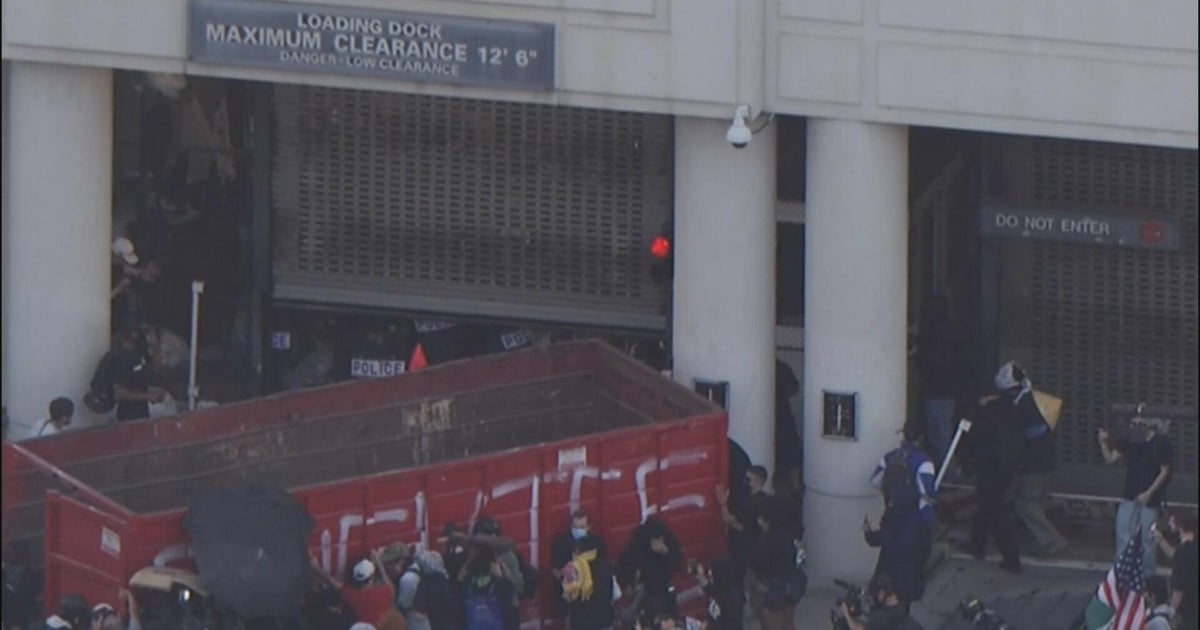
Thousands of protesters gathered in downtown Los Angeles to object to recent fatal shootings by federal immigration officers and the Trump administration's increased immigration raids. After a peaceful start, tensions escalated outside the Edward R. Roybal Federal Building, where some protesters threw objects at federal agents, vandalized property, and set a dumpster on fire. Law enforcement responded with pepper balls, tear gas, arrests, and dispersal orders. The protest was part of a broader nationwide movement, with businesses and students participating in walkouts to show solidarity with immigrant communities. Officials emphasized the right to peaceful protest, but the demonstration devolved into clashes and property damage, prompting a significant police response.
Biblical Reflection
Scripture upholds the dignity of every human being and calls for justice, mercy, and love for neighbor (Micah 6:8; Luke 10:25-37). The right to protest injustice aligns with biblical calls to speak up for the voiceless and oppressed (Proverbs 31:8-9). However, scripture also warns against violence and destruction (Romans 12:17-21; Matthew 5:9), urging believers to pursue peace and reconciliation. While the desire for justice and solidarity with the marginalized is commendable, the escalation to violence and property damage contradicts the biblical mandate to overcome evil with good and to respect authorities (Romans 13:1-7), even as we hold them accountable. Christians are called to be peacemakers, advocating persistently for justice, but always in love, self-control, and respect for others, remembering that true change comes through both righteous action and transformed hearts.
Scripture in context
This outlook does not yet include contextual Scripture citations. Do not treat a general biblical theme as an exegetical conclusion.
Faithful Response
No prescribed response is offered. Consider the reflection prompts below in your own church context.
Reflection and Discussion
- 1How can I advocate for justice while still being a peacemaker in times of social unrest?
- 2What does it look like to love my neighbor, including those I disagree with or who are in authority, during times of conflict?
- 3In what ways can I support the marginalized without condoning or participating in violence?
Sources
Reporting links are evidence inputs; Sanctuary News' biblical reflection is commentary.
This outlook currently relies on fewer than two linked sources. Broaden verification before teaching from it.
- 1.Original reportprimary