News Summary
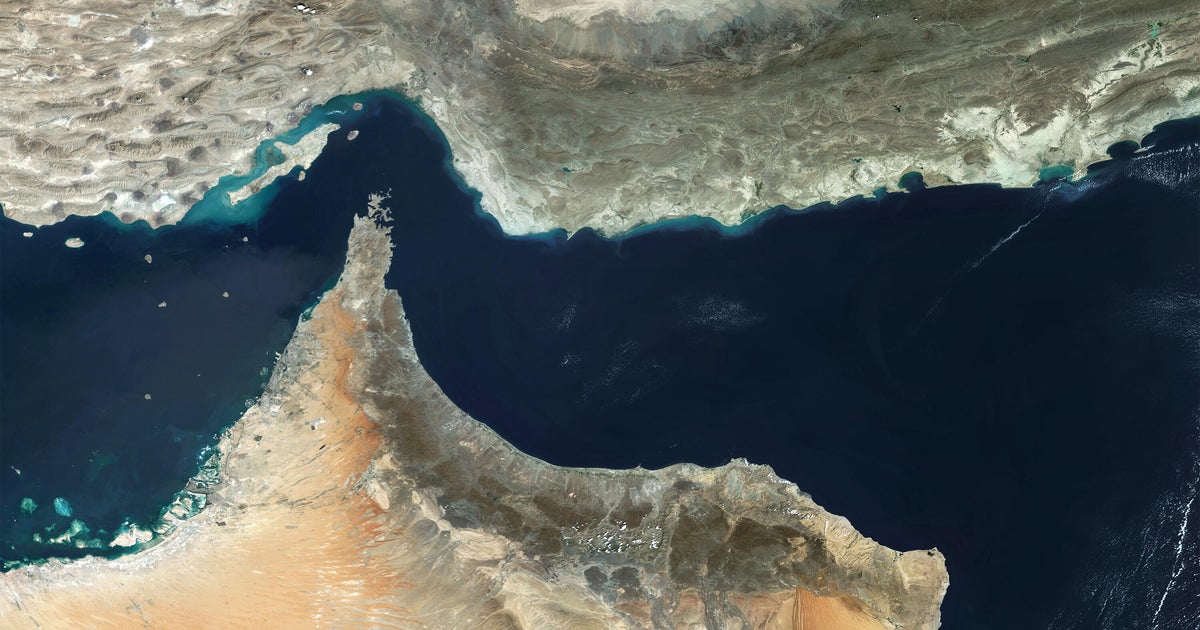
The article examines the significant global economic risks posed by the current closure of the Strait of Hormuz. Escalating hostilities between the U.S., Israel, and Iran have led to military attacks and threats in the region, making the passage of oil tankers through this vital waterway extremely dangerous. As a result, shipping through the strait has come to a near standstill, causing a spike in oil prices and raising fears of a prolonged disruption that could severely impact global energy supplies and push the world economy toward recession. Although alternative pipelines exist, they cannot compensate for the volume usually passing through the strait. The situation’s duration and further escalation will determine the full economic consequences. Analysts note that, while the U.S. currently has oil reserves that may buffer immediate shocks, a long-term closure could have historic and potentially epochal economic ramifications.
Biblical Reflection
Scripture teaches us to view world events not merely through the lens of national interest, but with a concern for justice, peace, and stewardship. The situation in the Strait of Hormuz is a stark reminder of how interconnected and fragile our earthly systems are. The pursuit of power, control over resources, and military conflict can create suffering that ripples across nations, impacting the livelihoods of millions, especially the most vulnerable. The Bible warns against placing our ultimate trust in material wealth or human might (Psalm 20:7; Matthew 6:19-21), and instead calls us to seek peace and the well-being of others (Romans 12:18; Philippians 2:4). The disruption of oil supplies and potential economic hardship underscore humanity’s dependence and the need for wise, just, and peace-seeking leadership. Christians are called to pray for peace, advocate for just solutions, and remember that our hope is ultimately in God’s sovereign care, not in the stability of markets or the security of nations.
Scripture in context
This outlook does not yet include contextual Scripture citations. Do not treat a general biblical theme as an exegetical conclusion.
Faithful Response
No prescribed response is offered. Consider the reflection prompts below in your own church context.
Reflection and Discussion
- 1How might we, as believers, respond faithfully when global events threaten economic stability and peace?
- 2In what ways are we tempted to place our trust in resources or political power instead of God?
- 3How can we pray and act for peace and justice in situations of international conflict?
Sources
Reporting links are evidence inputs; Sanctuary News' biblical reflection is commentary.
This outlook currently relies on fewer than two linked sources. Broaden verification before teaching from it.
- 1.Original reportprimary