News Summary
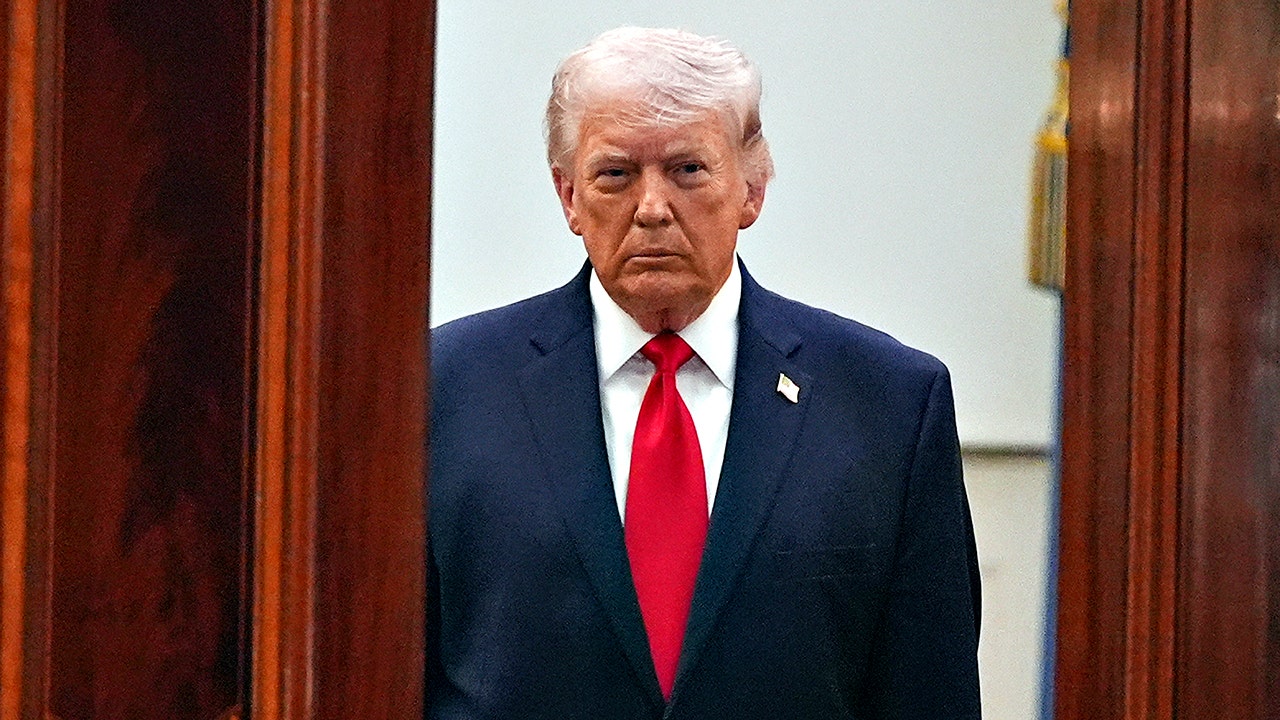
President Donald Trump posted and publicly stated a deadline for Iran to reopen the Strait of Hormuz and threatened to strike Iranian infrastructure if it did not comply. In social-media posts quoted in the report, the president warned that Tuesday would be "Power Plant Day, and Bridge Day" and used profanity and aggressive language directed at Iranian leaders. In interviews with Fox News, Trump said he expected negotiations to make a deal by his deadline but said that if Iran failed to agree, he was "considering blowing everything up and taking over the oil" and that bridges and power plants would be hit. The article notes Iran has impeded passage through the Strait of Hormuz since the onset of the war as a bargaining tactic, affecting tanker movements and contributing to higher global oil prices. The White House announced a planned press conference alongside military officials. The story was reported by Fox News with contributions from The Associated Press.
Biblical Reflection
From a Christian perspective, this report raises several concerns about rhetoric, moral responsibility, and the use of force. The public use of profanity and dehumanizing language toward an enemy undermines the dignity of persons and the moral standing of leadership; Christian ethics call leaders to uphold truth and to speak with restraint (Eph. 4:29). Threatening to attack civilian infrastructure such as power plants and bridges carries a high risk of harming noncombatants, worsening human suffering, and destabilizing wider populations—outcomes Scripture consistently warns against when innocent life is endangered. At the same time, governments have a duty to protect citizens and maintain order; Christians are not blind to the reality of just defense and the need for wise, lawful deterrence (Romans 13). The news framing emphasizes escalation and dramatic deadlines, which can normalize brinkmanship and make military action seem inevitable. Discernment requires separating theatrical posturing from concrete policy, questioning whether the threats advance justice or simply inflame conflict, and evaluating alternatives (diplomacy, multilateral pressure, sanctions, humanitarian protections). Christians should weigh the biblical call to be peacemakers and to seek the welfare of others alongside legitimate concerns for security, pressing leaders toward actions that minimize harm, pursue restoration, and honor both truth and human dignity.
Scripture in context
This outlook does not yet include contextual Scripture citations. Do not treat a general biblical theme as an exegetical conclusion.
Faithful Response
No prescribed response is offered. Consider the reflection prompts below in your own church context.
Reflection and Discussion
- 1How does the use of profanity and dehumanizing language in leadership messages shape public perception and the moral authority to pursue just actions?
- 2What assumptions about the effectiveness and morality of force underlie immediate threats, and how should Christians weigh those against the biblical call to pursue peace and protect the vulnerable?
- 3Are media reports amplifying rhetoric in ways that make conflict seem inevitable rather than highlighting diplomatic or multilateral alternatives that could reduce civilian harm?
Sources
Reporting links are evidence inputs; Sanctuary News' biblical reflection is commentary.
This outlook currently relies on fewer than two linked sources. Broaden verification before teaching from it.
- 1.Original reportprimary