News Summary
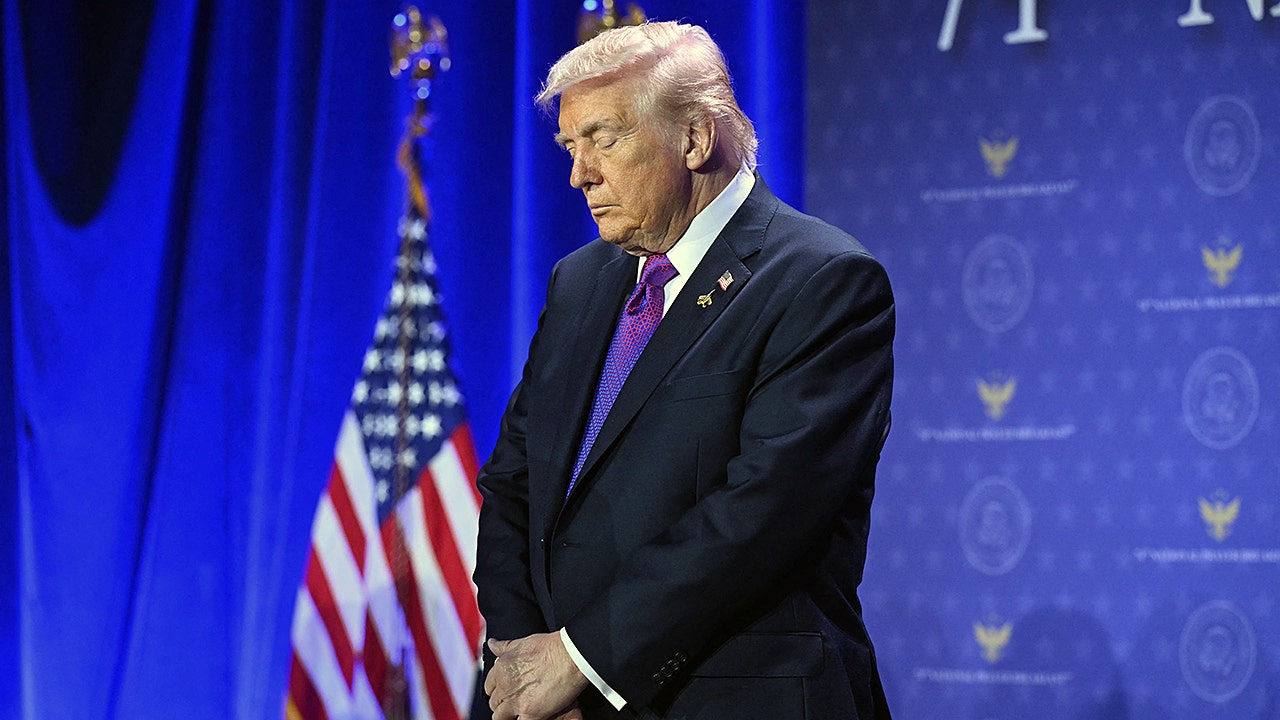
President Donald Trump released a Good Friday video address from the Oval Office on Truth Social in which he celebrated the resurrection of Jesus Christ, quoted John 3:16, and said that ‘‘religion is growing again in our country for the first time in decades.’’ He framed religion and belief in God as central to American strength, referenced his Presbyterian upbringing, and highlighted initiatives from his administration including an America 250 prayer initiative and the White House Faith Office. The address followed other faith-focused actions during his presidency (e.g., National Prayer Breakfast appearances and a White House welcome for persecuted Christians). The article notes Trump’s increased public candidness about his faith after surviving an assassination attempt in July 2024, and contrasts his extended Good Friday remarks with shorter public statements by his predecessor during Holy Week. The White House did not immediately respond to the outlet’s request for comment.
Biblical Reflection
A faithful Christian response should start by distinguishing two truths: (1) political leaders can and should affirm religious liberty and support faith communities; (2) genuine spiritual revival is a work of the Holy Spirit, not of political endorsement. The article reports that the president publicly celebrates Christian belief and asserts a religious resurgence. That claim calls for sober discernment: spiritual vitality is measured by repentance, discipleship, sacrificial love, and fruit (Galatians 5:22–23), not by political statements, attendance numbers alone, or partisan alignment. There are several likely motivations and impacts to consider. Politically, public expressions of faith can encourage believers and shore up support among religious voters; they can also risk conflating loyalty to a political leader with faithfulness to Christ. The article hints at comparative framing (contrasting Trump’s message with his predecessor’s brief statement) and situates the speech in the context of Trump’s post‑attempt testimony about divine purpose, which may shape how audiences receive the message. From a biblical perspective, Christians should welcome leaders who protect religious freedom and promote the public good, but resist idolatry of any human leader. We should evaluate claims of revival with humility and evidence: Are churches fostering repentance, discipleship, and service? Is the gospel being proclaimed clearly and with Christ‑like love? Finally, be alert to media framing: this piece emphasizes a political leader’s religious language and contrasts him with his predecessor, which may influence readers to view faith primarily as a political resource rather than a spiritual reality. Christians are called to pray for leaders, to test spirits (1 John 4:1), and to hold fast to the gospel as the standard by which public religiosity must be judged.
Scripture in context
This outlook does not yet include contextual Scripture citations. Do not treat a general biblical theme as an exegetical conclusion.
Faithful Response
No prescribed response is offered. Consider the reflection prompts below in your own church context.
Reflection and Discussion
- 1When a political leader publicly claims a religious resurgence, how should we test that claim against the biblical marks of genuine spiritual renewal (repentance, discipleship, love, and obedience)?
- 2Does public language from political figures about faith encourage faithful Christian witness, or does it risk substituting political allegiance for spiritual devotion?
- 3How can Christians welcome protections for religious expression while remaining wary of mixing Christ’s Lordship with partisan identity?
Sources
Reporting links are evidence inputs; Sanctuary News' biblical reflection is commentary.
This outlook currently relies on fewer than two linked sources. Broaden verification before teaching from it.
- 1.Original reportprimary