News Summary
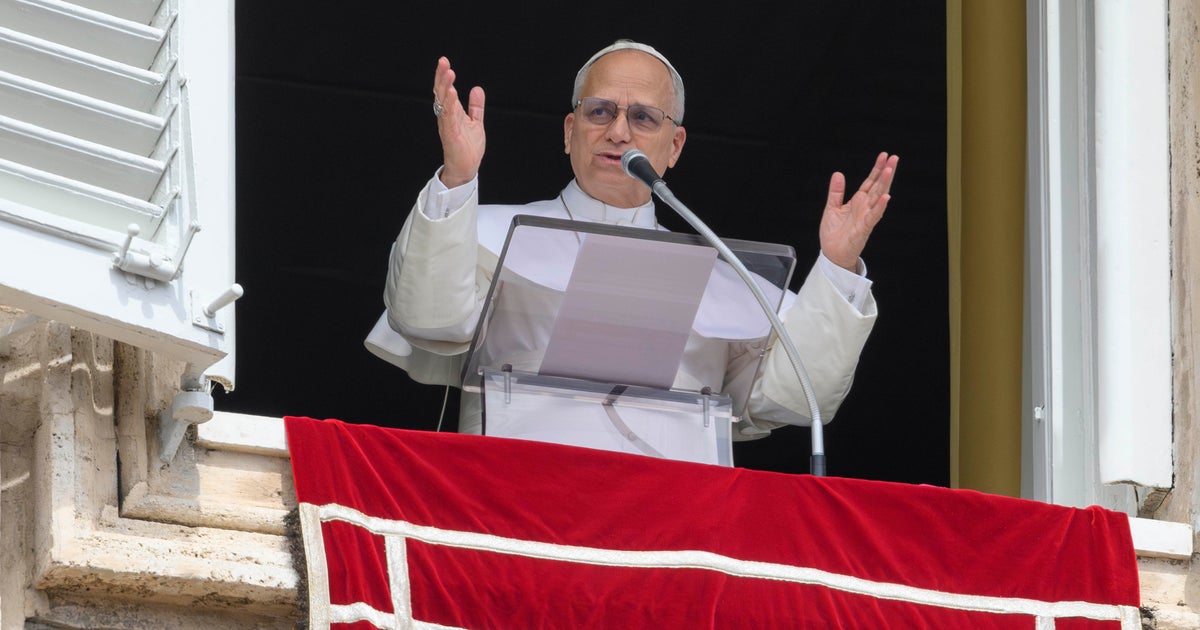
On the evening of Sunday, April 12, 2026 (reported April 13, 2026), President Donald J. Trump posted on social media criticizing Pope Leo XIV, calling him “weak on crime” and “terrible for foreign policy.” Trump objected to the pope’s criticisms of the war in Iran, the pope’s apparent opposition to threats to “completely destroy Iranian civilization,” and the pope’s comments about U.S. actions toward Venezuela and immigration policy. Trump also claimed the pope was selected in part because he was American and criticized the pope for being political. Pope Leo XIV had previously condemned rhetoric about destroying a nation and urged people to ask political leaders to seek peace and reject war. In response to Trump’s post, the pope — while en route to Algeria for a trip to Africa — said his remarks were not meant as personal attacks, reiterated the gospel call to be peacemakers, and defended the church’s mission to seek peace, reconciliation, and negotiation rather than war. The article quotes prior remarks by the pope at St. Peter’s Basilica and in social media posts and summarizes Trump’s repeated criticisms to reporters upon returning to Washington, D.C.
Biblical Reflection
Two public leaders with wide influence are speaking from different responsibilities and priorities. The pope is exercising a religious leader’s traditional role of moral teaching and calling for peace and negotiation; his statements echo long-standing Christian commitments to avoid unnecessary violence and to seek reconciliation. The president is advancing concerns rooted in national security, law enforcement, and political leadership, and he uses combative rhetoric to defend those policies. Christians should note several points: 1) Prophetic speech by church leaders — calling for peace and denouncing the idolization of force — is consistent with the gospel (Matthew 5:9). That prophetic voice is not necessarily partisan even when it touches political matters. 2) Political leaders also have a legitimate duty to protect citizens; raising security concerns is not inherently unchristian, but the manner of speech matters. Public insults, ad hominem attacks, and claims that a religious leader is acting from partisan motives risk deepening division and can distract from substantive debate. 3) The article presents quotations from both men and leaves their substantive disagreements intact; readers should be wary of interpreting the conflict as purely a moral vs. security binary. Scripture calls Christians to weigh both truth and charity: speak truth about threats to justice and safety, but do so in a way that pursues reconciliation, not dehumanization. Finally, be attentive to how media and political culture tempt audiences to reduce complex moral and policy questions to personality conflicts. The Christian call is to humility, careful discernment, and prayerful engagement rather than cheering partisan attack or uncritical deference to any public figure.
Scripture in context
This outlook does not yet include contextual Scripture citations. Do not treat a general biblical theme as an exegetical conclusion.
Faithful Response
No prescribed response is offered. Consider the reflection prompts below in your own church context.
Reflection and Discussion
- 1When political leaders and religious leaders disagree, how do I discern whether the dispute is moral teaching, national security advocacy, or partisan posturing?
- 2Am I more inclined to defend a leader from my preferred side uncritically, or to measure their words against Scripture’s calls to truth, humility, and peace?
- 3How does the tone of public discourse shape the Christian witness to reconciliation and the common good?
Sources
Reporting links are evidence inputs; Sanctuary News' biblical reflection is commentary.
This outlook currently relies on fewer than two linked sources. Broaden verification before teaching from it.
- 1.Original reportprimary