News Summary
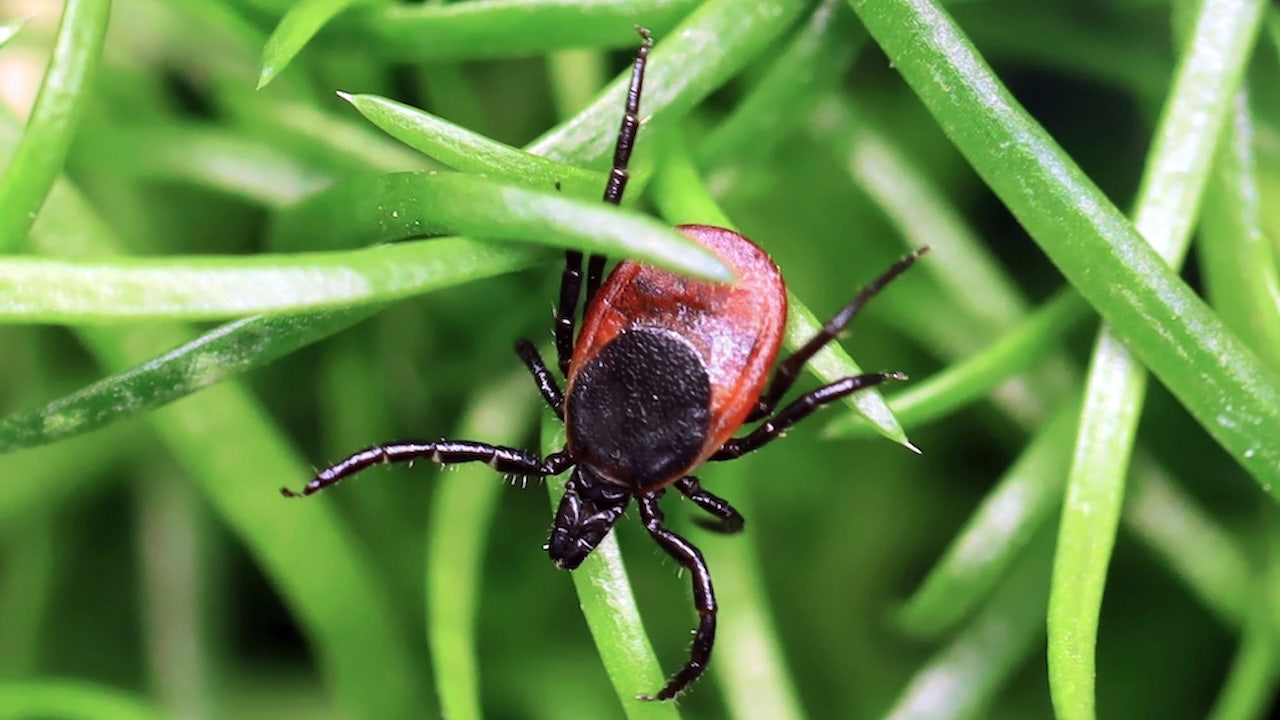
Powassan virus, a rare tick-borne disease first identified in Powassan, Ontario in 1958, reached a U.S. record of 76 reported diagnoses in 2025, up from a historical average of about seven to eight cases per year. The virus is transmitted by infected ticks (including woodchuck and deer ticks) and can be passed to humans rapidly after a bite—experts cited transmission possible within about 15 minutes—unlike Lyme disease, which typically requires a longer attachment time. Incubation is one to four weeks; initial symptoms can include fever, headache, vomiting and weakness, while severe infections can lead to encephalitis or meningitis, with approximately 10% fatality among severe neurological cases and significant long-term neurologic sequelae in survivors. There are no specific antiviral medications or licensed vaccines; treatment is supportive. Public health authorities note seasonality (late spring through mid-fall) and identify children, older adults, and immunocompromised persons as higher-risk groups. The article quotes public health experts and notes clinical concern about the virus’s rapid transmission, but does not provide detailed analysis of geographic distribution, testing changes, or potential environmental drivers of the increased case count.
Biblical Reflection
The article reports a real and serious clinical phenomenon for those infected, but its framing risks amplifying fear without full context. The factual core—rising reported cases, rapid tick-to-human transmission, absence of specific treatments, and potential for severe neurological harm—is important and should prompt sober attention. At the same time, the overall number of cases remains small nationally, so responses should balance vigilance with perspective. Christian wisdom calls us to pursue truth (verify data and seek context, e.g., whether increased detection or reporting affects case counts), practice mercy (care for those who become ill and for vulnerable populations), and act prudently (support public-health measures, research, and sensible precautions such as tick avoidance and prompt removal). Beware of narratives that emphasize alarm over accurate risk assessment or that imply causes not demonstrated by the evidence. Faith invites humility before scientific uncertainty, courage to support research and public health systems, and neighbor-love in practical protection of children, elders, and the immunocompromised.
Scripture in context
This outlook does not yet include contextual Scripture citations. Do not treat a general biblical theme as an exegetical conclusion.
Faithful Response
No prescribed response is offered. Consider the reflection prompts below in your own church context.
Reflection and Discussion
- 1Are rising case counts driven by wider spread of the virus or by better detection and reporting—how does that change how we respond?
- 2Does the article provide enough context about geographic distribution and risk so we protect ourselves without panic?
- 3How can our communities balance prudent public-health measures and support for research while avoiding stigmatizing or alarmist language?
Sources
Reporting links are evidence inputs; Sanctuary News' biblical reflection is commentary.
This outlook currently relies on fewer than two linked sources. Broaden verification before teaching from it.
- 1.Original reportprimary