News Summary
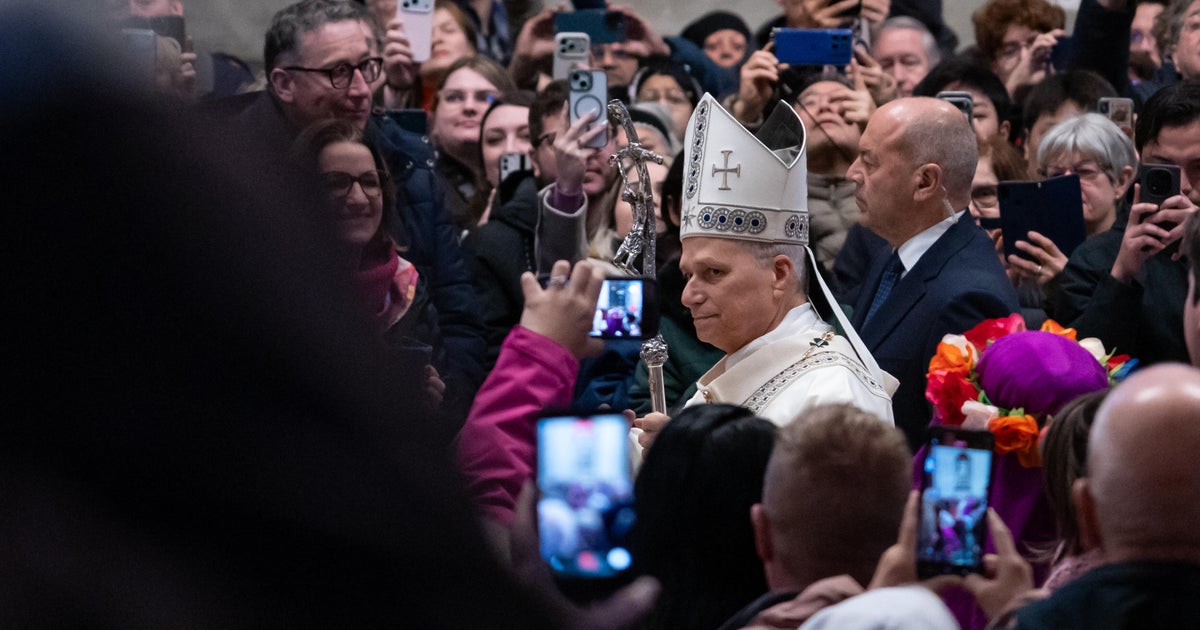
On January 1, 2026, Pope Leo XIV—the first American pontiff—opened the new year with a call for peace during a Mass at St. Peter's Basilica, followed by a public prayer from his studio. Addressing a crowd of pilgrims and tourists, he specifically prayed for nations suffering from conflict and for families harmed by violence. The Pope highlighted the humanitarian crisis in Gaza and called for direct dialogue between Russia and Ukraine to end their ongoing war. He also referenced the church's World Day of Peace, using the occasion to encourage collective prayer for peace at both global and familial levels. Following a hectic Christmas season, he is set to preside over the Epiphany holiday and close the 2025 Holy Year, before holding a meeting with the College of Cardinals to seek their counsel, reviving a tradition from previous papacies.
Biblical Reflection
Pope Leo XIV's public plea for peace and healing mirrors deeply biblical values. Scripture repeatedly calls believers to pursue peace (Matthew 5:9; Romans 12:18), intercede for those suffering, and comfort the afflicted. His attention to both global conflicts and personal wounds reflects Christ's heart for both the nations and the individual. The Pope's condemnation of violence and his advocacy for direct dialogue echo the biblical command to be peacemakers and to seek reconciliation (2 Corinthians 5:18-19). However, while such public calls for peace are necessary and commendable, the biblical witness insists that true and lasting peace is rooted in the gospel and the transformation of the human heart—a peace that surpasses understanding (Philippians 4:7). Structural peace efforts must be paired with calls to repentance, justice, and the love of Christ. The church is called not only to pray, but also to embody and proclaim Christ's reconciling work in all spheres of life, trusting that God alone is the ultimate peacemaker.
Scripture in context
This outlook does not yet include contextual Scripture citations. Do not treat a general biblical theme as an exegetical conclusion.
Faithful Response
No prescribed response is offered. Consider the reflection prompts below in your own church context.
Reflection and Discussion
- 1How am I personally contributing to peace and reconciliation in my relationships and community?
- 2Do I regularly pray for countries and families affected by violence and conflict?
- 3How can I partner with God in bringing His peace to a broken world?
Sources
Reporting links are evidence inputs; Sanctuary News' biblical reflection is commentary.
This outlook currently relies on fewer than two linked sources. Broaden verification before teaching from it.
- 1.Original reportprimary