News Summary
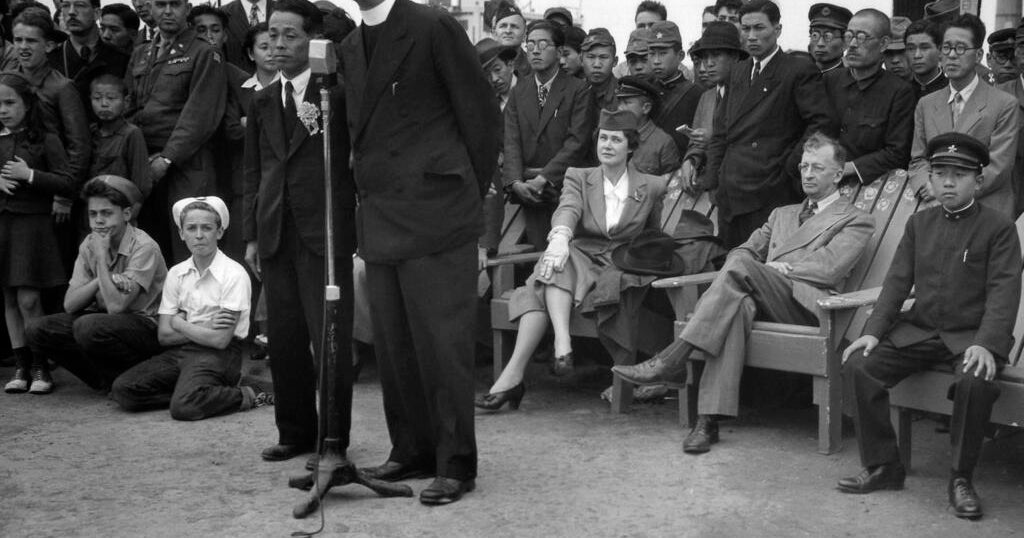
On March 23, 2026, Pope Leo XIV signed a decree declaring Rev. Edward J. Flanagan — the founder of Boys Town — 'venerable,' recognizing that he lived a life of 'heroic virtue.' That designation advances, but does not guarantee, a path toward beatification and canonization; the next formal step is beatification, which normally requires one verified miracle attributed to the candidate's intercession, followed by a second miracle for canonization (though a pope can, in rare cases, dispense with these requirements). Archbishop Michael McGovern of Omaha praised the decree and urged continued service to vulnerable youth. The article reviews Flanagan's biography: born in Ballymoe, Ireland, in 1886, ordained in 1912, he worked in Omaha from 1913, established homes for homeless men and then boys (first home 1917), purchased a farm that grew into the Boys Town campus in 1921, and by the 1930s housed hundreds of boys with a school and self‑government. Flanagan traveled to postwar Japan to advise on child welfare and criticized exploitative Irish industrial schools in 1946. He died in 1948. The Boys Town organization and supporters welcomed the Vatican announcement. The Vatican Dicastery reviewed Flanagan’s life, writings and works in reaching the proclamation. The article notes that 'venerable' acknowledges reputation for holiness but does not imply sinlessness, and it explains the technical steps and standards in the sainthood process. It also mentions that this is the second U.S. cleric with Midwestern ties moved forward under Pope Leo (after Archbishop Fulton Sheen).
Biblical Reflection
From a biblical perspective, this story highlights several important Christian themes and cautions. Positively, Father Flanagan’s life exemplifies core scriptural virtues: compassion for the vulnerable, practical care for children and the poor, and a restorative approach to broken lives — actions that echo Jesus’ concern for 'the least of these' and the biblical call to care for orphans and the marginalized (e.g., James 1:27; Matthew 25). His focus on environment and upbringing as shaping moral formation resonates with the Christian emphasis on discipleship and community responsibility. The Vatican’s formal recognition of 'heroic virtue' is a sober, communal discernment process that seeks to measure fruitfulness of a life rather than proclaim perfection; Scripture likewise calls the church to recognize faithful witnesses while remembering all are sinners saved by grace (Romans 3:23–24). At the same time the article and the sainthood process invite prudence: Christians should resist elevating any human leader to a place that obscures Christ (warning against misplaced veneration), and should test leaders and movements by their fruits and fidelity to Scripture (Matthew 7:15–20). The requirement of verified miracles and the dicastery’s review reflect the church’s attempt to combine devotion with careful investigation — a discipline Christians can appreciate as humility before truth. Practically, believers are called both to celebrate faithful service and to imitate it: assessing how local churches and ministries care for children, advocate for just structures, and hold leaders accountable. Ultimately, sainthood causes should point people to Christ, encourage repentance and service, and strengthen the church’s work of mercy and justice.
Scripture in context
This outlook does not yet include contextual Scripture citations. Do not treat a general biblical theme as an exegetical conclusion.
Faithful Response
No prescribed response is offered. Consider the reflection prompts below in your own church context.
Reflection and Discussion
- 1Where in my life or church can I tangibly bless or advocate for at‑risk children and families?
- 2Do I tend to place Christian leaders on a pedestal in a way that distracts from Christ? How can I hold leaders accountable with charity and humility?
- 3Which virtues in Father Flanagan’s example (compassion, advocacy, restorative practice) should I seek to imitate this week?
Sources
Reporting links are evidence inputs; Sanctuary News' biblical reflection is commentary.
This outlook currently relies on fewer than two linked sources. Broaden verification before teaching from it.
- 1.Original reportprimary