News Summary
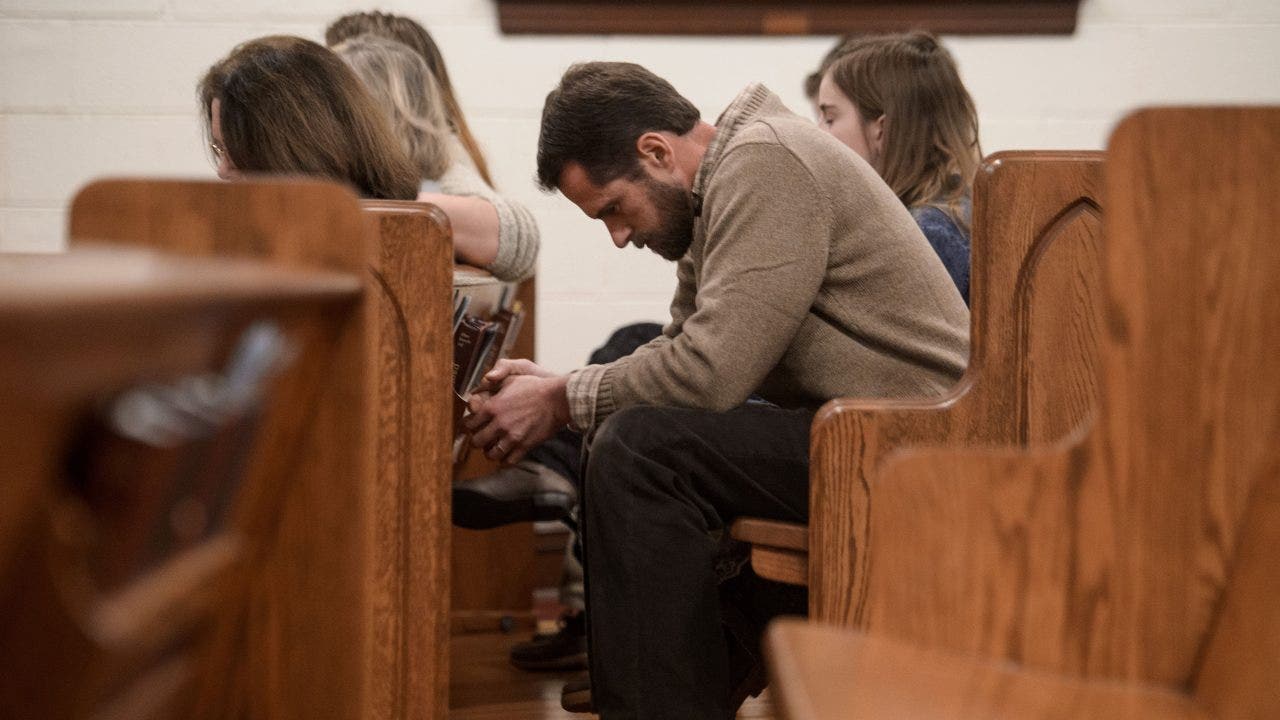
A 2026 opinion piece notes recent polling and survey results showing increased religious self-reporting and attendance among young people. A Gallup poll found 42% of young men say religion is "very important" in their lives, the highest in about 25 years and a 14-point rise since 2023. Barna Group data is cited saying Gen Z attends church more frequently than other generations, described as a historic reversal. The piece reports Bible sales rose sharply after the 2025 assassination of Charlie Kirk (a single-month 36% jump) and that overall Bible sales reached a 21-year high in 2025, about double 2019 levels. The author, William J. Bennett, includes a personal faith narrative and argues reasons for the trend—cultural dislocation, moral concerns, and search for purpose—and suggests possible political and cultural consequences if the trend continues, including greater emphasis on family, resistance to certain progressive policies, and stronger defense of religious liberty. The article is framed as opinion and interpretation rather than neutral reporting.
Biblical Reflection
This is a hopeful development for Christians: more young people seeking religious meaning can strengthen churches and community life. At the same time the article mixes data, personal testimony, and partisan expectation—so readers should distinguish measurable trends (poll numbers, sales) from the author's causal claims and political forecasts. The piece assumes that renewed church attendance will map neatly onto conservative political outcomes; history shows religious renewal can have diverse social and political expressions. Pastoral wisdom calls for humility about motives (are people seeking God or merely cultural belonging?), care not to instrumentalize faith for partisan ends, and patient discipleship that prioritizes spiritual formation, mercy, and neighbor-love over immediate cultural victories. Practically, Christians should welcome and shepherd new seekers with teaching, sacrificial service, and compassion, resisting the impulse to turn revival into a political project.
Scripture in context
This outlook does not yet include contextual Scripture citations. Do not treat a general biblical theme as an exegetical conclusion.
Faithful Response
No prescribed response is offered. Consider the reflection prompts below in your own church context.
Reflection and Discussion
- 1Are rising attendance and Bible sales signs of sustained spiritual conversion, or might they reflect a temporary reaction to cultural events and anxiety?
- 2How does the article's political framing shape our perception of revival, and what assumptions about religion and politics should we test?
- 3What deeper indicators (community care, changed behavior, long-term discipleship) should we look for to evaluate whether this is genuine spiritual renewal?
Sources
Reporting links are evidence inputs; Sanctuary News' biblical reflection is commentary.
This outlook currently relies on fewer than two linked sources. Broaden verification before teaching from it.
- 1.Original reportprimary