News Summary
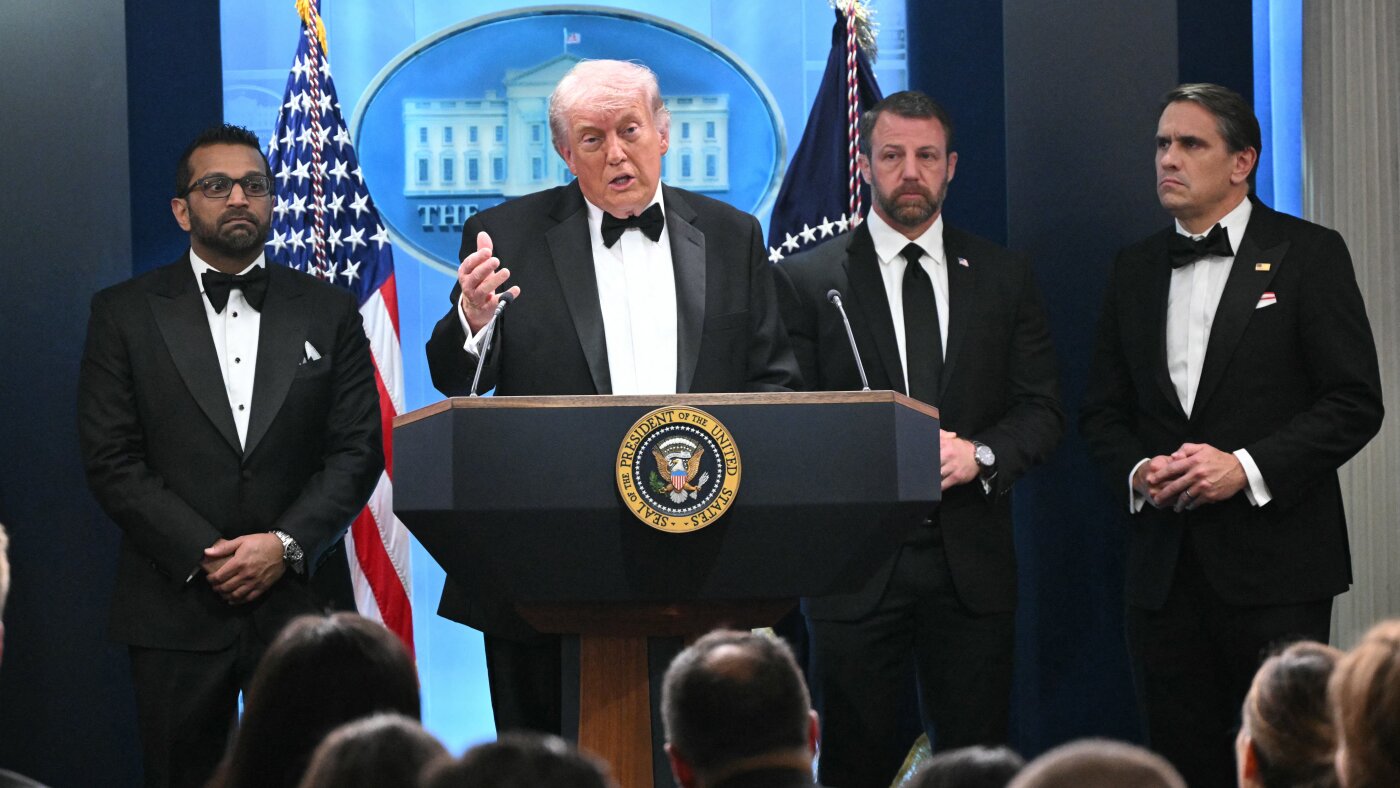
A NewsGuard/YouGov poll of 1,000 U.S. adults conducted April 28–May 4, 2026, found that many Americans are unsure whether three recent attempts on President Donald Trump's life were real. About 30% of respondents said at least one of the incidents was staged; for each incident a plurality (roughly 45%) said it was a real attempt while the remainder said it was staged or were unsure. Specific events surveyed were: an alleged attacker stopped at a security checkpoint outside the White House Correspondents' Dinner (April 25, 2026), an assassination attempt in Butler, Pennsylvania (July 2024), and a foiled plot in West Palm Beach while Trump was golfing (fall 2024). The poll reports 25% of respondents believed the correspondents' dinner incident was staged, 24% believed the Butler attack was staged, and 16% believed the West Palm Beach plot was staged. The article notes official evidence for the incidents — witness accounts, federal indictments, and a Senate committee report on the Butler attack — and cites NewsGuard commentary that social-media posts about the dinner reached large audiences (claims on X reportedly garnered over 90 million views). The poll shows skepticism concentrated among younger adults and Democrats, with some recent increases in similar doubts among Republicans.
Biblical Reflection
From a Christian perspective, this story highlights two interrelated concerns: the real human cost and danger of political violence, and the corrosive effect of widespread distrust and misinformation. Scripture calls Christians to seek and speak truth (Ephesians 4:25; John 8:32), and trusting reliable evidence and institutions responsible for public safety is part of loving our neighbors and protecting the common good. At the same time, healthy skepticism is not the same as conspiracy-minded cynicism; when distrust becomes default, it undermines civic order, stokes fear, and damages communal discernment. The article’s data suggest that partisan identity and social-media amplification shape beliefs more than direct evidence for many people. Christians should therefore be wary of adopting reflexive partisan narratives, should evaluate claims against verifiable evidence, and should model patient, humble inquiry rather than spreading unverified allegations. Pastoral care requires compassion for those frightened or disillusioned while also calling the church to uphold truth, pursue justice for victims, and pray for leaders and law enforcement charged with protecting the vulnerable.
Scripture in context
This outlook does not yet include contextual Scripture citations. Do not treat a general biblical theme as an exegetical conclusion.
Faithful Response
No prescribed response is offered. Consider the reflection prompts below in your own church context.
Reflection and Discussion
- 1What kinds of evidence would change your mind about a public claim, and how do you verify that evidence before sharing it?
- 2How does partisan identity or the speed of social media shape whether you assume events are true, false, or staged?
- 3In what ways can Christians balance healthy scrutiny of institutions with a commitment to truth, justice, and the common good?
Sources
Reporting links are evidence inputs; Sanctuary News' biblical reflection is commentary.
This outlook currently relies on fewer than two linked sources. Broaden verification before teaching from it.
- 1.Original reportprimary