News Summary
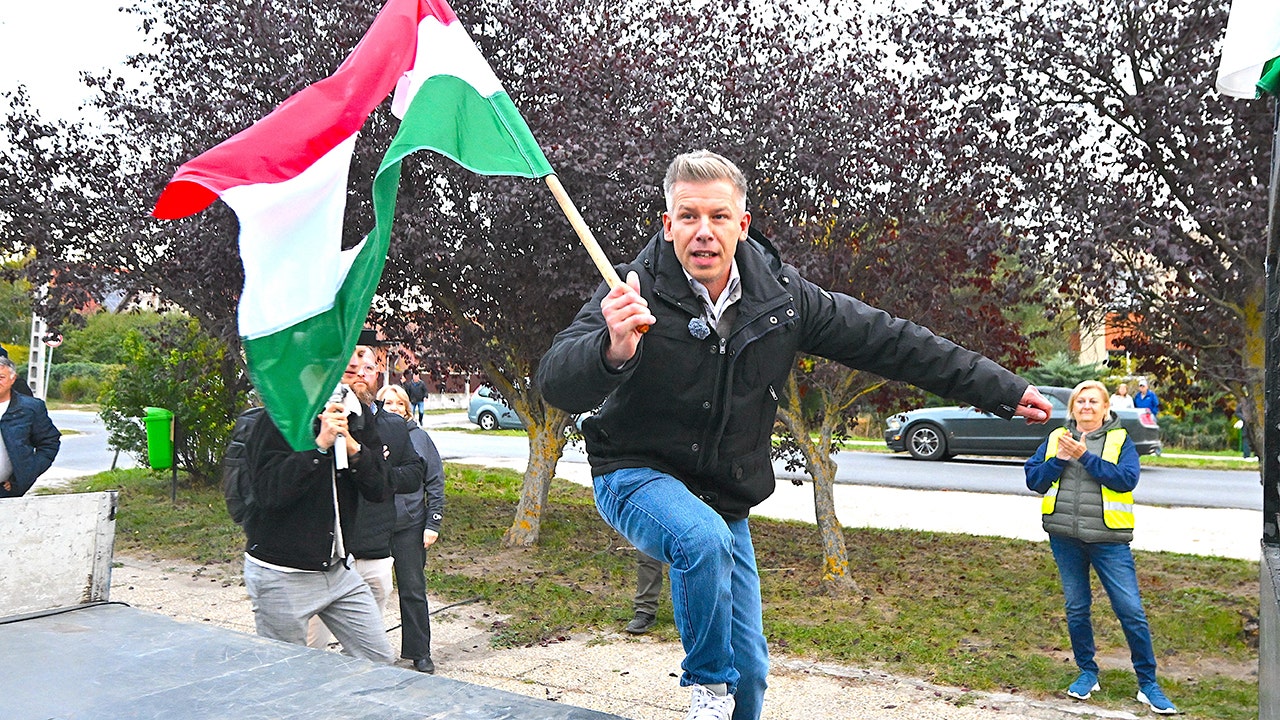
Péter Magyar, a 44-year-old lawyer and former insider in Viktor Orbán’s Fidesz-aligned establishment, won Hungary’s 2026 national election as leader of the Tisza party, ending Orbán’s 16-year tenure. Magyar was born in Budapest in 1981, trained as a lawyer, worked in Hungary’s diplomatic corps and in senior state positions (including at a state-owned bank and the student loan agency), and was previously married to Judit Varga, a former justice minister who resigned in 2024 amid public backlash over a pardon in a child sexual abuse case. Magyar publicly broke with Fidesz after that scandal, launched a new political movement, and rapidly built support—his party won roughly 30% in the 2024 European elections and then a national victory in 2026. He campaigned on addressing corruption, the cost of living, and restoring democratic institutions; he also maintains conservative positions on migration (supporting the existing border fence and rejecting EU migrant quotas) while pledging to rebuild relations with the European Union and unlock frozen EU funds. Magyar used social media, rural outreach, and direct voter engagement to bypass state-controlled media. After his election, he publicly called for the resignation of President Tamás Sulyok. Analysts quoted in the article note that reversing institutional control established under Orbán will be a long and difficult process. Reuters contributed to the reporting.
Biblical Reflection
From a Christian perspective, this story highlights several spiritual and civic realities. First, it underscores the danger of political hero-worship: Magyar once idolized Orbán and later opposed him—reminding Christians that leaders are fallible and that allegiance to people must be subordinate to allegiance to God and truth (Acts 5:29). Second, the article centers themes Christians care about: justice, accountability, and the restoration of legitimate institutions. Magyar’s campaign against corruption and state-controlled propaganda aligns with biblical calls for justice and truth (Isaiah 1:17; Proverbs 12:17). At the same time, his continuity on immigration and border security shows how political change can combine moral commitments (protecting citizens and order) with pragmatic policy—Christians should weigh both the biblical call to care for the stranger (Leviticus 19:34; Matthew 25:35) and the responsibilities of government to protect the common good (Romans 13:1–7). Third, note how the article frames the victory: it emphasizes a democratic turn and recovery of EU ties, a framing that reflects Western liberal values and may underplay complexities (e.g., domestic political divides, geopolitics with Russia/Ukraine). Readers should be wary of single-analyst conclusions or celebratory language that simplifies a long institutional reversal into a single electoral moment. Finally, the Christian response should resist triumphalism or vindictiveness toward former officials; instead the Gospel calls for justice paired with mercy, repentance, and reconciliation where possible. Pray for wise, humble, and just governance that protects the vulnerable, resists corruption, and pursues the common good.
Scripture in context
This outlook does not yet include contextual Scripture citations. Do not treat a general biblical theme as an exegetical conclusion.
Faithful Response
No prescribed response is offered. Consider the reflection prompts below in your own church context.
Reflection and Discussion
- 1What assumptions about leadership, loyalty, and public trust does the article reveal, and how should Christians guard against elevating political figures to a place reserved for God?
- 2How does the coverage balance concerns for national security and immigration with calls to protect the vulnerable, and where might implicit biases shape which priorities are emphasized?
- 3The article cites analysts and highlights media control under the previous government—how should Christians evaluate expert commentary and media framing to discern lasting truths from partisan interpretation?
Sources
Reporting links are evidence inputs; Sanctuary News' biblical reflection is commentary.
This outlook currently relies on fewer than two linked sources. Broaden verification before teaching from it.
- 1.Original reportprimary