News Summary
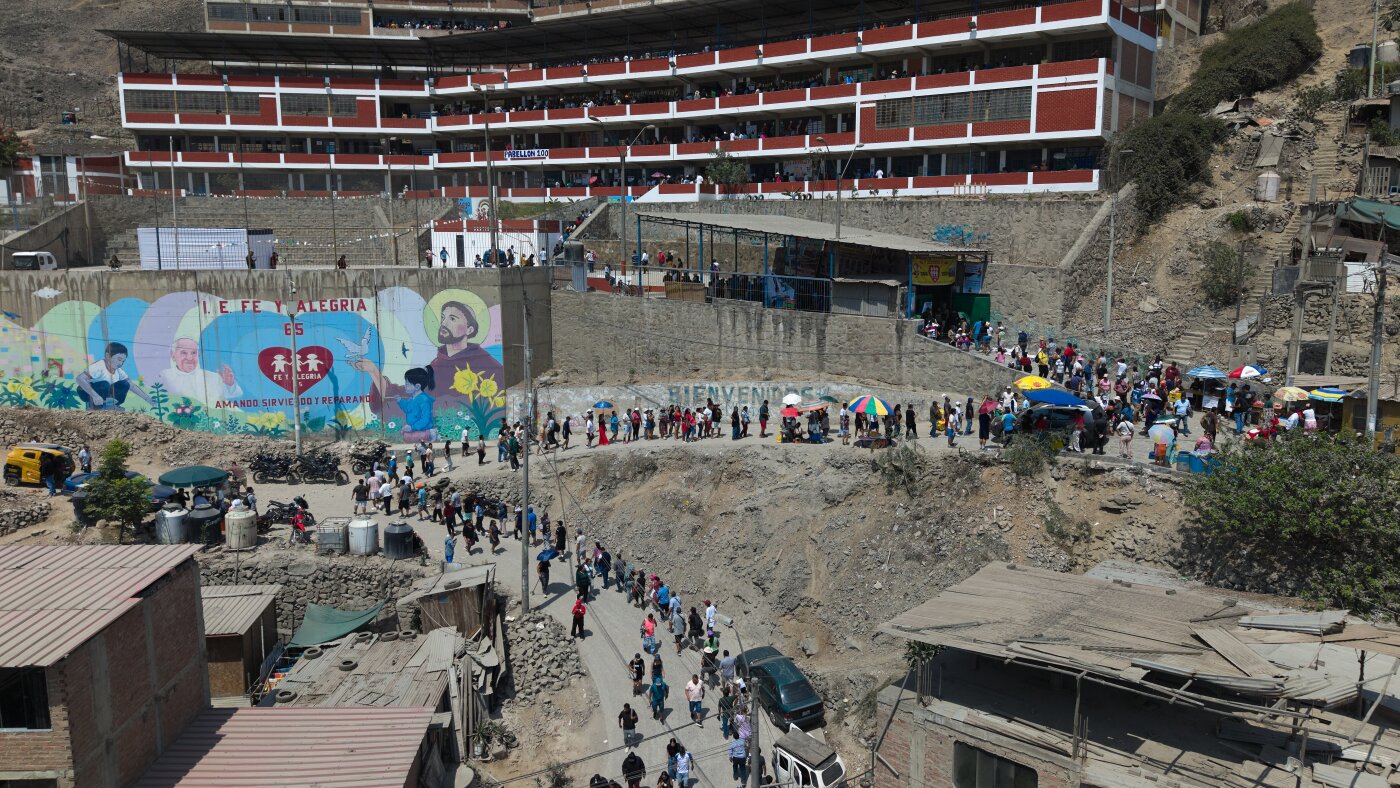
Peru's presidential election results were delayed after logistical problems on election day left many voters unable to cast ballots. Electoral authorities announced a one-day extension allowing more than 52,000 registered voters in Lima to vote on Monday; the extension also covered Peruvians registered in Orlando, Florida, and Paterson, New Jersey. Officials initially said 63,300 people would be able to vote on Monday but later revised the figure downward. Vote counting had begun Sunday evening when the extension was announced. Voting is mandatory in Peru for citizens aged 18–70, with fines for nonparticipation. About 27 million people are registered to vote, including roughly 1.2 million voting abroad. Thirty-five presidential candidates are on the ballot, and because a candidate needs more than 50% to win outright, a runoff in June is considered likely. The election is occurring amid widespread public concern about violent crime and corruption; many candidates have proposed punitive measures such as building "megaprisons," restricting food for prisoners, and reinstating the death penalty. Voters are also electing members of a newly reconstituted bicameral Congress for the first time in over 30 years following recent legislative reforms that create a more powerful upper chamber.
Biblical Reflection
The article is primarily factual about the procedural delay and the scale of the problem; it reasonably highlights public fears that shape voter priorities. Its emphasis on crime and corruption reflects the electorate's stated concerns but can also amplify fear-based narratives that push for quick, punitive fixes. From a Christian perspective, two truths should be held together: legitimate public safety concerns and the biblical call to justice tempered by mercy. Christians should note that logistical failures in elections undermine civic trust and harm the common good; fair, reliable procedures are a moral as well as civic necessity. At the same time, proposals that prioritize vengeance or dehumanize prisoners (e.g., restricting basic provisions or calling broadly for the death penalty) deserve careful ethical scrutiny. Scripture repeatedly calls for justice, protection of the vulnerable, and mercy (Micah 6:8; Isaiah 1:17), and it warns against leaders who rule by fear or opportunistic promises (Proverbs 29:12). Media coverage that highlights sensational policy proposals or labels candidates by occupation ("comedian") may shape perceptions of seriousness but doesn't replace sober evaluation of platforms, competence, and character. Christians observing this moment should press for transparency, pray for integrity in election administration, and weigh policies against both the need for public safety and the demands of justice and compassion.
Scripture in context
This outlook does not yet include contextual Scripture citations. Do not treat a general biblical theme as an exegetical conclusion.
Faithful Response
No prescribed response is offered. Consider the reflection prompts below in your own church context.
Reflection and Discussion
- 1How does the article's focus on crime and dramatic policy proposals shape your sense of urgency, and are you allowing fear to displace sober evaluation of causes and solutions?
- 2What institutional weaknesses (administration, logistics, trust in authorities) does this delay reveal, and how should Christians prioritize reform and accountability alongside prayer?
- 3Do proposed policies emphasize justice that protects the vulnerable and reforms root causes, or do they primarily seek punishment and quick fixes?
Sources
Reporting links are evidence inputs; Sanctuary News' biblical reflection is commentary.
This outlook currently relies on fewer than two linked sources. Broaden verification before teaching from it.
- 1.Original reportprimary