News Summary
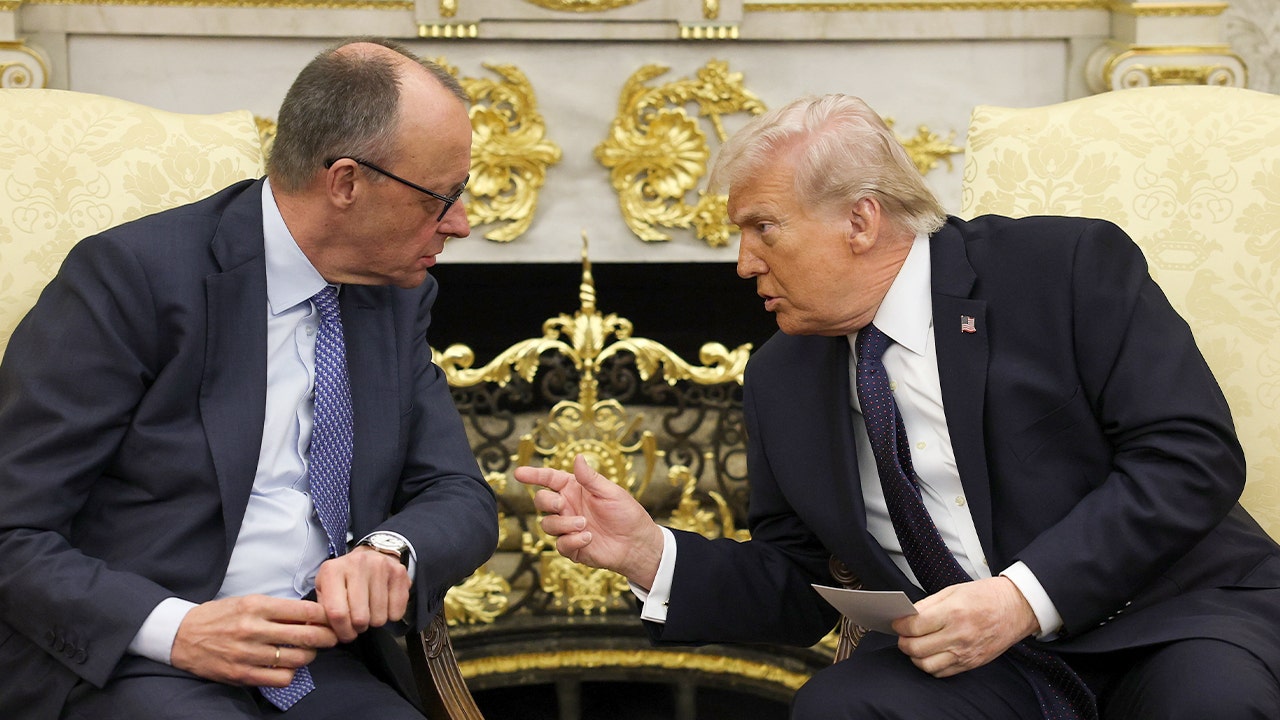
The Pentagon confirmed that roughly 5,000 U.S. troops will be withdrawn from Germany. Pentagon spokesman Sean Parnell said the move follows a Department of Defense review of force posture in Europe and is intended to reflect theater requirements and on-the-ground conditions; the withdrawal is expected to be completed within six to 12 months. About 38,000 U.S. troops are currently stationed in Germany, which hosts U.S. European Command headquarters at Ramstein Air Base. The announcement comes amid heightened tensions between U.S. President Donald Trump and German Chancellor Friedrich Merz, driven in part by disagreements over how European allies have responded to the conflict involving Iran. The article notes prior related actions: in 2020 President Trump ordered the withdrawal of roughly 12,000 troops from Germany, a plan that was not fully executed before the Biden administration. The piece references public comments by Merz criticizing the U.S. approach to Iran and Trump’s subsequent posts on Truth Social criticizing Merz’s statements and saying the U.S. was “studying and reviewing” potential reductions in Germany.
Biblical Reflection
From a Christian perspective, this report raises questions about leadership, the use of military power, and how national disagreements are communicated. The announcement is a policy decision tied to security assessments, but it is also embedded in a quarrel between political leaders. Scripture calls leaders to pursue wisdom, seek the common good, and act with humility (1 Timothy 2:1–2; Proverbs 11:14). When military posture becomes entangled with personal or partisan disputes, there is a risk that decisions serve political signaling rather than sober stewardship of lives and alliances. Allies and vulnerable populations depend on consistent commitments; abrupt shifts or public shaming of partners can erode trust and make cooperative peacebuilding harder. At the same time, a prudent reassessment of force posture can be responsible if driven by clear strategic rationale and transparent consultation with allies and Congress. Christians should be attentive to three things in stories like this: (1) separate rhetoric from policy — social-media insults do not by themselves prove that a change is prudent or just, (2) watch for hidden motives — is the move intended primarily to address security needs or to score political points?, and (3) advocate for wisdom, accountability, and peacemaking — honoring allies and seeking nonviolent solutions where possible. The article largely reports facts but frames the withdrawal as part of an escalating feud; readers should note that political conflict is a context but not definitive proof of the soundness of the policy itself.
Scripture in context
This outlook does not yet include contextual Scripture citations. Do not treat a general biblical theme as an exegetical conclusion.
Faithful Response
No prescribed response is offered. Consider the reflection prompts below in your own church context.
Reflection and Discussion
- 1Are the public statements and timing surrounding this troop withdrawal primarily driven by strategic military assessment or by political confrontation, and how would we tell the difference?
- 2How should Christians weigh national security needs against commitments to allies and the biblical call to pursue peace and faithful stewardship of lives?
- 3What patterns of rhetoric (public shaming, escalating language) in political leadership make cooperative diplomacy more difficult, and how does that affect our prayerful response?
Sources
Reporting links are evidence inputs; Sanctuary News' biblical reflection is commentary.
This outlook currently relies on fewer than two linked sources. Broaden verification before teaching from it.
- 1.Original reportprimary