News Summary
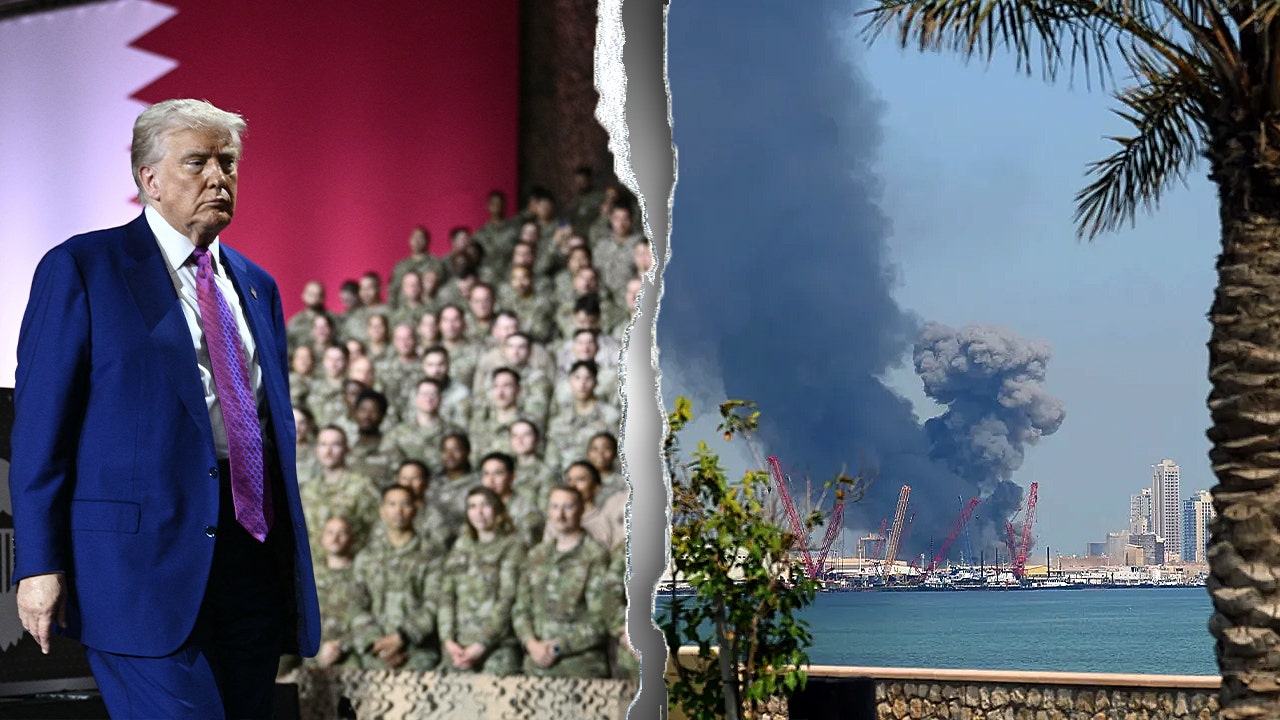
After repeated Iranian missile and drone strikes during Operation Epic Fury, U.S. defense officials are reassessing decades of reliance on a small number of large, permanent bases in the Gulf. The attacks struck major hubs including Naval Support Activity Bahrain (U.S. Fifth Fleet), Al Udeid Air Base (Qatar), Al Dhafra (UAE) and Ali Al Salem (Kuwait). Fox News Digital cites reporting that since the conflict began on Feb. 28, 13 U.S. service members have been killed and about 400 wounded; a Central Command spokesperson told Fox News Digital that Iran fired more than 8,000 missiles and drones and said only two resulted in U.S. fatalities. Damage to command and communications facilities was reported at some installations. Pentagon officials and retired commanders told Fox News Digital and the Wall Street Journal they are considering dispersing forces, rotating units more frequently, moving some functions farther west or to other partners (including Israel), relocating or decentralizing command-and-control nodes, and possibly reducing presence at some Kuwaiti and Saudi sites. Officials also said discussions about posture changes predated Operation Epic Fury and that no formal force posture changes have been announced.
Biblical Reflection
The article frames the issue as a strategic imperative driven by new threats: precision missiles and drones have reduced the safety of concentrated bases. The dominant worldview is security-first, centered on military voices and operational tradeoffs (response speed vs. survivability). That perspective is valid given real risks to personnel and allies, but the piece largely privileges defense and deterrence solutions and gives less attention to diplomatic, regional, or humanitarian dimensions. Readers should note the article mixes reporting with sourced commentary (retired officers, defense spokespeople, and opinionated former officials) and includes differing casualty and weapons-count claims; this suggests some inconsistency in public figures and a need to verify official assessments. From a Christian pastoral lens, the primary obligations are clear: protect people and partners, pursue justice, and seek peace where possible. Prudence and humility require honest accounting of harms and limits, mercy calls for care for the wounded and affected civilians, and courage calls leaders to pursue nonmilitary channels to reduce future violence. Strategic choices that trade speed for survivability carry moral consequences for allies, local populations, and service members; Christians should encourage leaders to weigh those outcomes transparently and to prioritize de-escalation alongside deterrence.
Scripture in context
This outlook does not yet include contextual Scripture citations. Do not treat a general biblical theme as an exegetical conclusion.
Faithful Response
No prescribed response is offered. Consider the reflection prompts below in your own church context.
Reflection and Discussion
- 1Whose perspectives are centered in reporting about military posture — military leaders and analysts, or diplomats and regional partners — and how does that shape proposed solutions?
- 2Are conflicting casualty and strike-count figures being presented as settled fact, and what does that say about the accuracy and accountability of military reporting in wartime?
- 3When basing decisions trade rapid response for force protection, how should the duty to protect one’s own troops be balanced with the obligation to prevent harm to regional civilians and preserve opportunities for peace?
Sources
Reporting links are evidence inputs; Sanctuary News' biblical reflection is commentary.
This outlook currently relies on fewer than two linked sources. Broaden verification before teaching from it.
- 1.Original reportprimary