News Summary
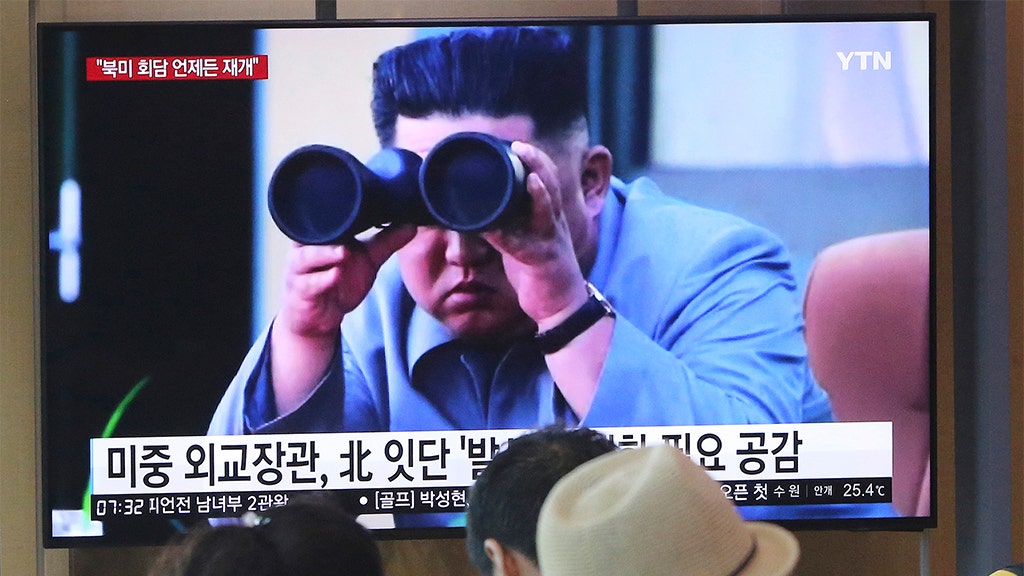
The article discusses the Pentagon's newly released national defense strategy, which marks a significant policy shift regarding the U.S. military's role on the Korean Peninsula. The strategy, titled 'Restoring peace through strength for a new golden age of America,' indicates that South Korea will assume primary responsibility for deterring threats from North Korea, while the U.S. will adopt a more limited, supportive role. The document highlights South Korea’s military capability and willingness to defend itself as key reasons for this change. The policy is part of a broader move to increase burden-sharing among U.S. allies globally, allowing the U.S. to focus more on homeland defense and the challenge posed by China. The Pentagon emphasizes this is not a shift toward isolationism, but rather a move to ensure allies contribute more to their own security. The strategy also mentions a continued commitment to supporting allies against persistent threats such as Russia and Iran, while prioritizing practical U.S. interests.
Biblical Reflection
From a biblical perspective, the shifting of responsibility from the U.S. to South Korea for deterring North Korean threats can be seen as an attempt to foster maturity, responsibility, and partnership among nations. Scripture often encourages wise stewardship of resources and the necessity of bearing one another’s burdens (Galatians 6:2), as well as seeking peace (Romans 12:18). However, the emphasis on national self-interest and strategic withdrawal raises questions about the balance between caring for one’s neighbor and prioritizing one’s own security. The move away from 'endless wars' and 'interventionism' aligns with the biblical value of pursuing peace and avoiding unnecessary conflict, yet Christians are also called to be peacemakers and advocates for justice (Matthew 5:9). As power dynamics shift, the Christian outlook should be one of prayerful vigilance: that such realignments would lead to increased responsibility, just governance, and lasting peace—not merely the shifting of burdens or abdication of moral responsibility.
Scripture in context
This outlook does not yet include contextual Scripture citations. Do not treat a general biblical theme as an exegetical conclusion.
Faithful Response
No prescribed response is offered. Consider the reflection prompts below in your own church context.
Reflection and Discussion
- 1How can nations balance responsibility for their own security with the biblical call to be peacemakers and care for their neighbors?
- 2In what ways can Christians advocate for peace and justice in a world where alliances and responsibilities are shifting?
- 3What does it mean to bear one another's burdens on a global scale, and how can this be reflected in international policies?
Sources
Reporting links are evidence inputs; Sanctuary News' biblical reflection is commentary.
This outlook currently relies on fewer than two linked sources. Broaden verification before teaching from it.
- 1.Original reportprimary