News Summary
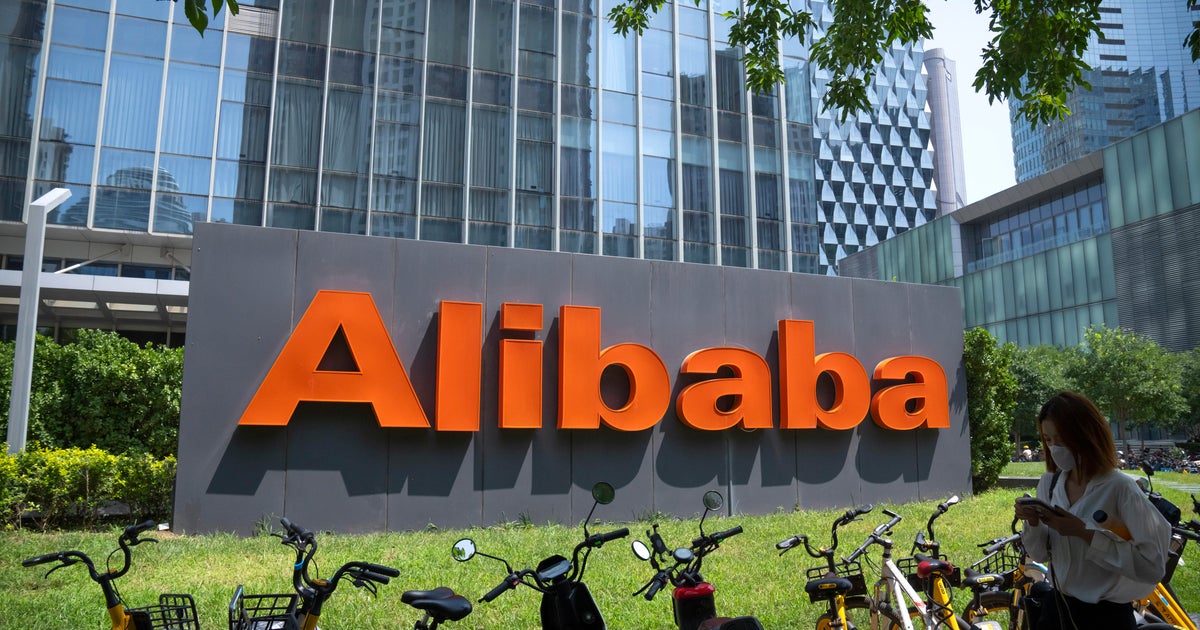
The Pentagon updated its 2021 list of Chinese companies it identifies as linked to the Chinese military and defense industrial base, adding well-known private-sector firms including Alibaba, BYD, Baidu and robotics maker Unitree. Entities on the list are barred from receiving U.S. defense contracts and may face reputational harm and additional restrictions. The updated list now contains 188 entities, up from roughly 130 the prior year. The Pentagon said some additions are affiliated with China’s Ministry of Industry and Information Technology and that the Chinese military acquires advanced technologies from civilian firms. The Chinese Embassy criticized the move as discriminatory; Alibaba, BYD and Baidu each denied they are military companies. The House Select Committee on the Chinese Communist Party urged delisting of listed companies from U.S. exchanges and called for broader commercial restrictions. Some U.S. lawmakers have suggested banning Chinese electric vehicles; others have welcomed investment if factories locate and hire in the U.S.
Biblical Reflection
From a Christian perspective, this story reflects a tension between legitimate national-security precautions and the risks of broad, politically charged labels that can harm innocent workers, international commerce, and cooperative research. The Pentagon’s concern about military–civil fusion and the transfer of advanced technology to military ends is a real security question deserving careful attention and honest evidence. At the same time, public designations and political calls for delisting or broad bans can be driven by economic nationalism, partisan pressure, or fear, and may lack transparency about criteria and evidence. Christians should press for truth, procedural fairness, and humility: demand clear, public standards and due process where reputations and livelihoods are at stake; weigh protections for the common good against harms to ordinary people; and remember that policies toward other nations also shape our witness for peace and justice. Pray for leaders to exercise wise discernment that protects national security without resorting to scapegoating or unnecessary economic coercion.
Scripture in context
This outlook does not yet include contextual Scripture citations. Do not treat a general biblical theme as an exegetical conclusion.
Faithful Response
No prescribed response is offered. Consider the reflection prompts below in your own church context.
Reflection and Discussion
- 1What concrete evidence is being used to place private companies on this list, and is that evidence publicly available and subject to review?
- 2Who stands to gain or lose economically and politically from expanding this designation, and how might those shifts affect ordinary workers and global supply chains?
- 3Are we framing national security in a way that preserves our moral credibility and Christian witness toward enemies and trading partners?
Sources
Reporting links are evidence inputs; Sanctuary News' biblical reflection is commentary.
This outlook currently relies on fewer than two linked sources. Broaden verification before teaching from it.
- 1.Original reportprimary