News Summary
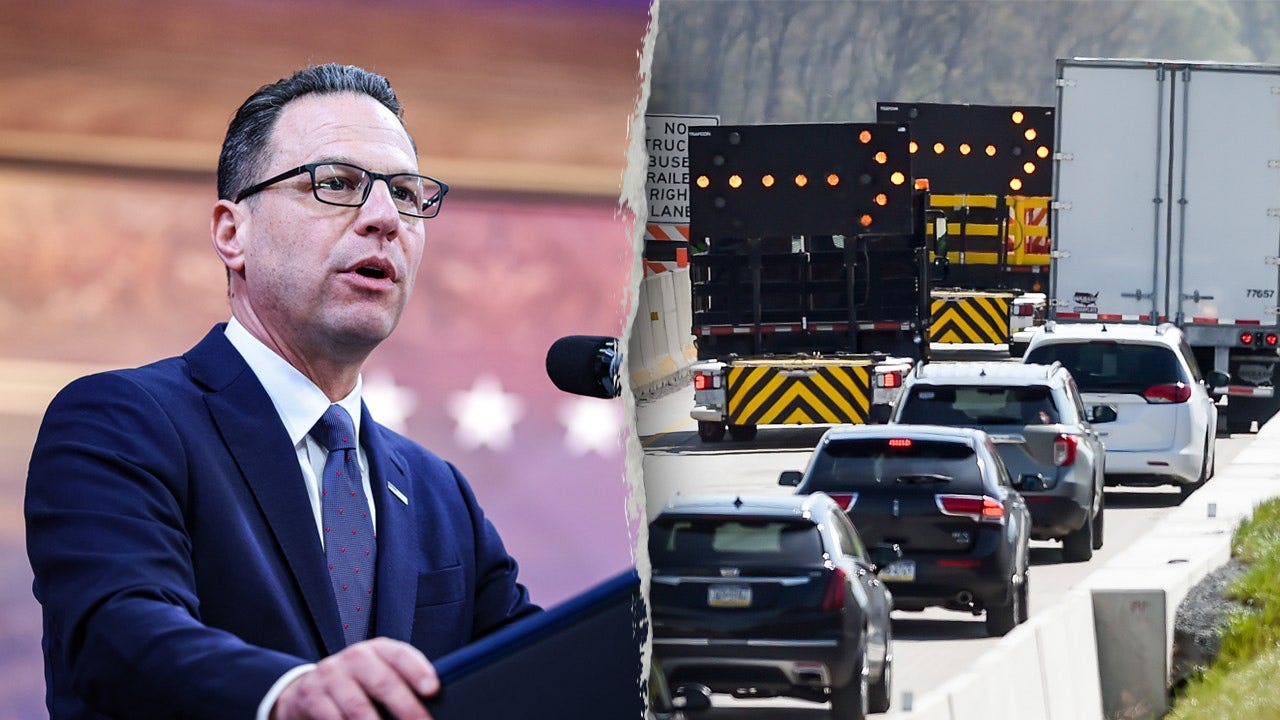
Republican lawmakers in Pennsylvania are urging action after several incidents in which foreign nationals involved in crashes were found to hold Pennsylvania-issued commercial driver's licenses (CDLs). Republicans claim Pennsylvania has a disproportionate number of non‑domiciled CDLs linked to unsafe driving incidents and are pressing state Democrats to back a legislative package that would: create a licensed CDL school board, impose fines on unlicensed entry-level driver trainers (SB 1294), require English as the primary language for testing for heavy commercial vehicle operation, and increase penalties for out‑of‑service violations including for drivers lacking English comprehension (SB 1296).
PennDOT and the Shapiro administration say PennDOT verifies applicants’ lawful presence via the federal SAVE (Systematic Alien Verification for Entitlements) database and follows state and federal law; a governor’s spokesperson emphasized commitment to highway safety and said the administration will monitor the bills. State lawmakers and PennDOT representatives have testified that CDL training registration at the federal level is largely self‑certifying and that many Pennsylvania training providers are not registered with the state, making oversight difficult. Transportation Secretary Sean Duffy (federal) criticized recent federal rule changes allowing greater self‑certification by trucking schools and tied them to broader enforcement actions.
The bills passed out of a Senate committee and are expected to reach the full Senate; the next hurdle is the Democratic‑controlled House, where Republican backers say a small number of defections could determine the outcome. The article highlights several high‑profile incidents involving foreign nationals with PennDOT CDLs and quotes Republican officials advocating for the reforms; Democratic responses beyond statements about SAVE and monitoring the bills were limited in the reporting.
Biblical Reflection
This news story centers on legitimate public safety concerns — crashes and regulatory gaps deserve careful attention and accountability. At the same time, the reporting and political framing mix safety arguments with immigration-focused language and partisan pressure, which can encourage fear and stereotyping. From a Christian perspective we should affirm the call to protect the vulnerable (including road users) and to pursue honest, competent government oversight. Scripture also calls us to treat migrants with dignity and not to leap to dehumanizing conclusions about whole groups based on isolated or anecdotal incidents.
Evaluate claims on two levels: empirical and moral. Empirically, ask whether the data cited (numbers of cases, comparisons with other states) supports the claim of a systemic crisis, or whether anecdotes and high‑profile incidents are driving legislative urgency. Morally, ask whether proposed reforms are narrowly tailored to improve safety and accountability (licensing, verified training standards, enforcement) or whether they risk creating discriminatory barriers (e.g., blanket language rules) that punish people without addressing root problems like fraud, inadequate oversight, or employer hiring practices.
Practically, Christian wisdom would advocate for reforms that pursue justice and protection: strengthen verification and oversight systems, close fraudulent training providers, ensure fair and accessible pathways to competence and employment, and implement safety standards that do not unfairly target or scapegoat immigrants. The church should resist simplistic narratives that conflate criminality with immigration status and should instead call for truth-seeking, lawful reforms, and compassion for those affected by policy changes.
Scripture in context
This outlook does not yet include contextual Scripture citations. Do not treat a general biblical theme as an exegetical conclusion.
Faithful Response
No prescribed response is offered. Consider the reflection prompts below in your own church context.
Reflection and Discussion
- 1Is the reporting relying on representative data or on high‑profile anecdotes that may distort the scale and cause of the problem?
- 2Are proposed policies framed chiefly to improve safety and accountability, or do they risk singling out migrants in ways that violate equal-treatment principles?
- 3How can Christians hold authorities accountable for public safety while also resisting rhetoric that dehumanizes immigrants and undermines mercy?
Sources
Reporting links are evidence inputs; Sanctuary News' biblical reflection is commentary.
This outlook currently relies on fewer than two linked sources. Broaden verification before teaching from it.
- 1.Original reportprimary