News Summary
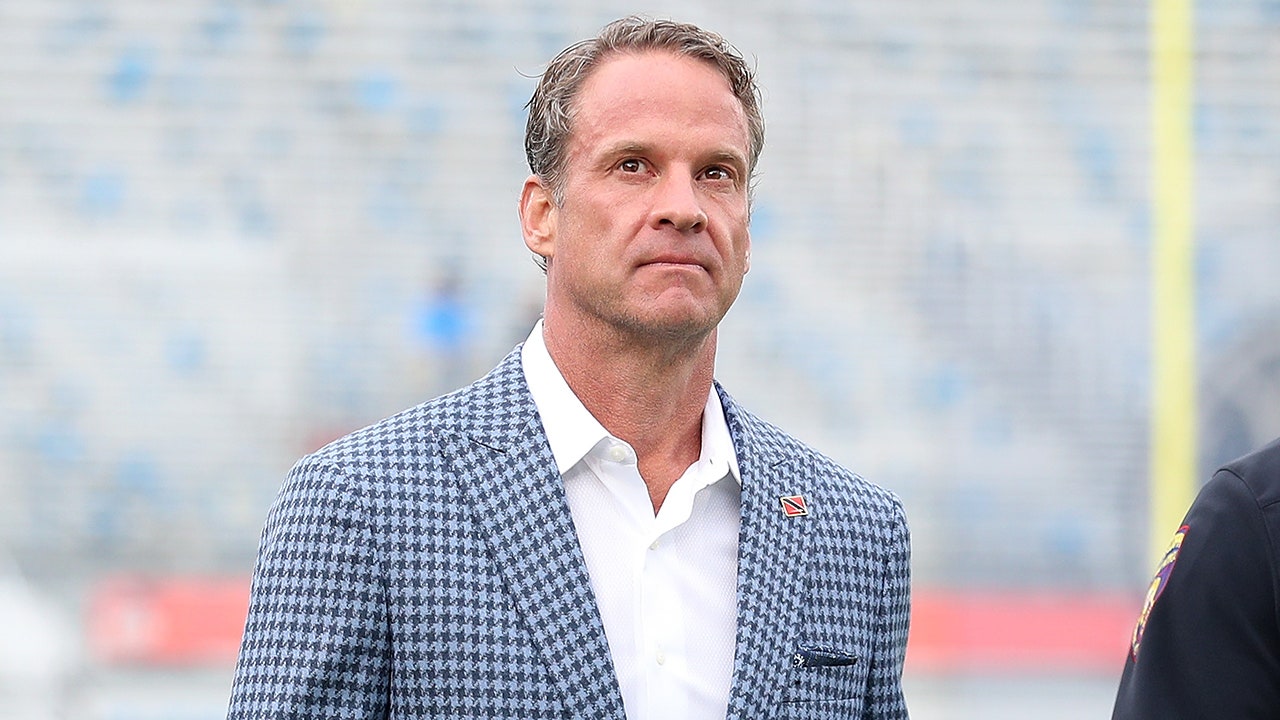
Lane Kiffin, head coach at LSU, told Vanity Fair that some recruits and families expressed concerns about moving to Oxford, Mississippi, citing perceptions about the campus's racial diversity. His comments suggested that perceived lack of racial diversity was a factor in recruiting relative to Baton Rouge. The remarks generated immediate public reaction. On his show, Paul Finebaum criticized Kiffin, saying the coach raised the issue deliberately and was motivated by bitterness after Ole Miss did not allow him to coach in the College Football Playoff following his move to LSU. The article also references comments by other coaches (including Steve Sarkisian) and social media reactions, and notes that Ole Miss players have pushed back against Kiffin's claims.
Biblical Reflection
From a Christian perspective, the episode raises two important concerns. First, claims about racial attitudes and discrimination deserve careful, honest scrutiny because race is a real moral and social issue; if there are legitimate concerns about inclusion on a campus, they should be investigated responsibly and addressed. Second, public statements by influential leaders should be measured and grounded in facts rather than used as ammunition in personal or professional rivalries. The article shows how rivalries and wounded pride can color narratives, and how media platforms amplify conflict for attention. Christians should resist consuming or repeating unverified accusations and instead pursue truth, reconciliation, and the dignity of all people. At the same time, we must not dismiss concerns about race out of loyalty to an institution or team. Leaders—especially public figures—are called to speak truth in love (Ephesians 4:15) and to aim for restoration rather than revenge. Finally, be aware of media incentives: controversy draws clicks and commentary, which can push nuanced matters into binary public arguments that obscure facts and hinder constructive solutions.
Scripture in context
This outlook does not yet include contextual Scripture citations. Do not treat a general biblical theme as an exegetical conclusion.
Faithful Response
No prescribed response is offered. Consider the reflection prompts below in your own church context.
Reflection and Discussion
- 1What evidence is being offered for the claim that recruits avoid Ole Miss because of race, and who benefits from emphasizing or denying that claim?
- 2How do personal grievances and institutional rivalries shape the way leaders frame social issues in public forums?
- 3How does the media's incentive structure (attention to controversy) influence which versions of a story gain traction, and how should that affect our assessment of such reports?
Sources
Reporting links are evidence inputs; Sanctuary News' biblical reflection is commentary.
This outlook currently relies on fewer than two linked sources. Broaden verification before teaching from it.
- 1.Original reportprimary