News Summary
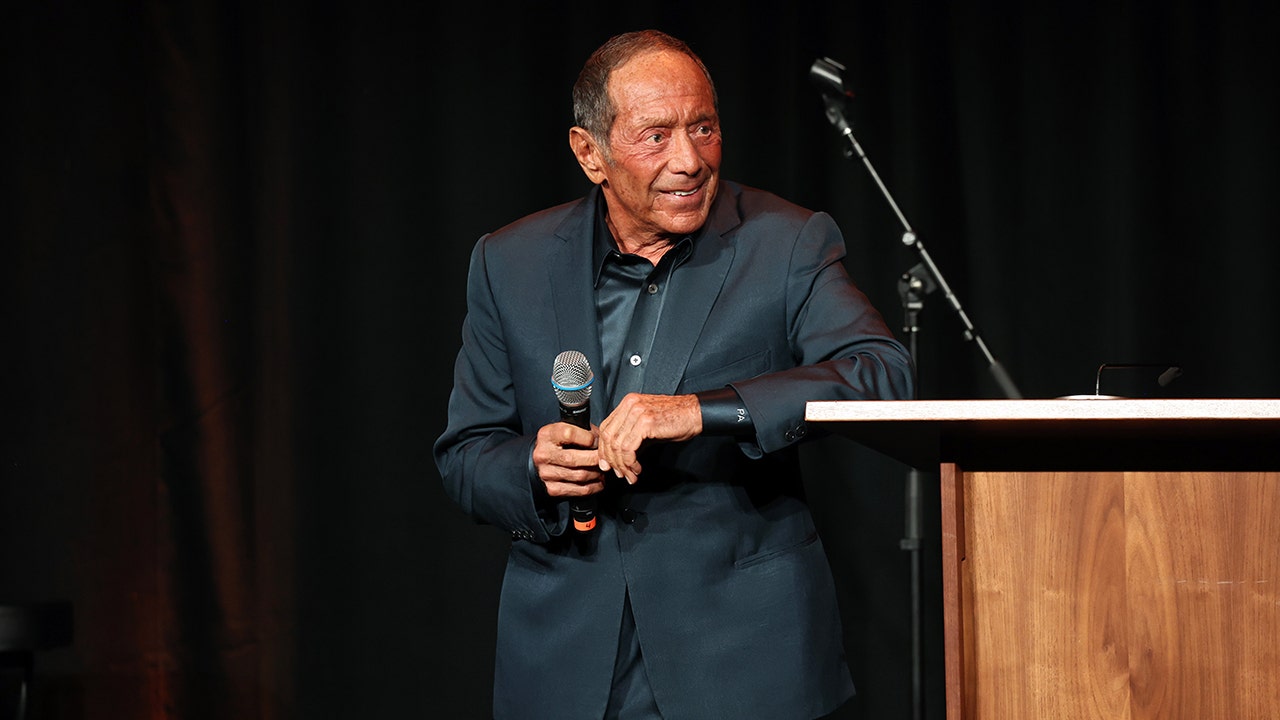
On Bill Maher’s Club Random, singer Paul Anka described his experiences touring Poland and Czechoslovakia during the Cold War, saying hotels were “dark and bleak,” bathrooms shared by a whole floor, and basic items like toothpaste, food, and clothing were scarce. Anka said he and his band gave away the clothes they had brought and left with empty suitcases. He recalled hearing of President John F. Kennedy’s assassination via a radio carrying Radio Free Europe while in Poland and announcing to the audience that he was returning home. Anka also recounted debating communism with a woman assigned to him by authorities in Czechoslovakia; she later contacted him after the 1968 Soviet-led invasion asking for help with her daughter’s schooling, which he provided. Maher used Anka’s recollections to criticize communism and to express frustration that younger generations show sympathy for it without historical understanding. The segment also referenced Anka’s HBO film 'Paul Anka: His Way' and his songwriting legacy.
Biblical Reflection
The article relays first-person memories and an opinionated response to them. Personal testimony about shortages and surveillance under Soviet-influenced regimes is valuable as lived history; such accounts highlight real human suffering and help explain why many refugees and visitors associated those systems with injustice. At the same time, a pastoral Christian reading should note two cautions: first, individual anecdotes do not alone establish comprehensive political theory, and second, strong rhetoric can harden hearts rather than open them. The piece leans toward a clear anti-communist framing (Ample quotation and evaluative language such as calling the system "evil"), which is consistent with the guests' views but may understate nuance about causes, context, and the continuing work of justice in societies. Christians are called to love truth and the neighbor: truth requires careful listening to witnesses like Anka and to historians; mercy requires compassion for those who suffer under any system and for younger people who have different reference points; humility calls us to avoid triumphalism and to seek constructive ways to help the vulnerable. This story can prompt faithful Christians to affirm human dignity and freedom while resisting simplistic political caricatures and cultivating informed, compassionate witness.
Scripture in context
This outlook does not yet include contextual Scripture citations. Do not treat a general biblical theme as an exegetical conclusion.
Faithful Response
No prescribed response is offered. Consider the reflection prompts below in your own church context.
Reflection and Discussion
- 1Whose voices are present in this report, and whose experiences of this historical period are missing from the conversation?
- 2How might personal memory and national loyalty shape the way witnesses describe political systems, and how should that affect our judgment?
- 3Are we balancing a commitment to truth about past injustices with humility and compassion toward people today who may not share the same historical reference points?
Sources
Reporting links are evidence inputs; Sanctuary News' biblical reflection is commentary.
This outlook currently relies on fewer than two linked sources. Broaden verification before teaching from it.
- 1.Original reportprimary