News Summary
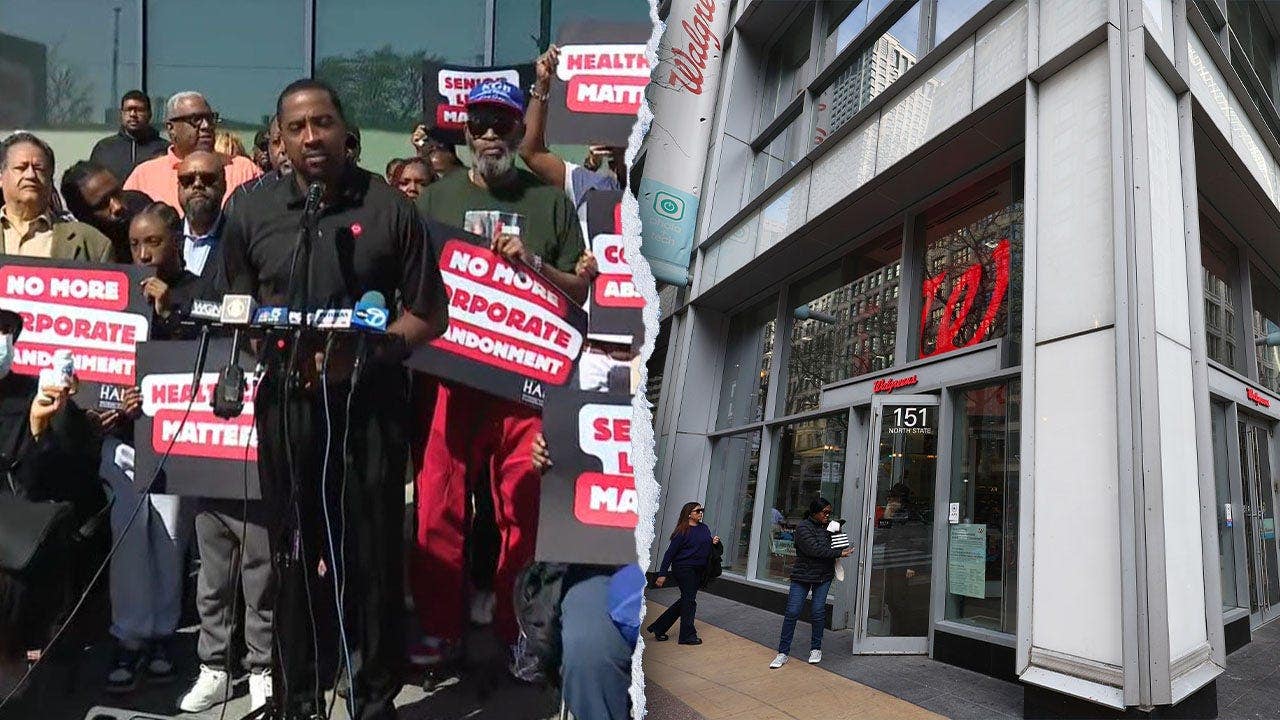
This is an opinion piece by Pastor Corey Brooks published on Fox News. Brooks responds to the closure of a Walgreens on Cottage Grove on Chicago’s South Side and disputes claims that the company abandoned the neighborhood out of malice. He cites local reports that the store lost more than $1 million to theft in a single year and that Walgreens spent roughly $400,000 on security at that location while customer traffic declined. Brooks says theft, threats to staff, and falling sales made continued operation financially untenable. He recalls other nearby closures (a Walgreens near his church on King Drive in Woodlawn and a McDonald’s) and describes the effects on elderly and medically vulnerable residents who had to travel farther for prescriptions. Brooks criticizes local leaders—naming Ald. William Hall, who publicly condemned Walgreens and used terms like "first-degree corporate abandonment" and "pharmaceutical genocide"—for focusing on blaming the corporation rather than addressing community crime. He argues for personal responsibility, community protection of businesses, and for creating conditions that would attract businesses back. The piece identifies Brooks as founder and senior pastor of New Beginnings Church of Chicago and CEO of Project H.O.O.D., noting his public activism (including previous rooftop vigils).
Biblical Reflection
From a Christian pastoral perspective, this piece aims to call the community to accountability for harms that hurt the vulnerable. The author highlights real harms: expensive theft, threats to workers, reduced access to medicines, and job losses. Those are legitimate concerns that require honest attention and practical solutions. At the same time, the column is an opinion that emphasizes personal responsibility and local culture while largely downplaying or summarizing structural and systemic causes (poverty, disinvestment, policing policy, economic exclusion) that also shape crime and business decisions. Christian wisdom calls us to hold both truths: sin and personal wrongdoing must be confessed and addressed, and systems that create scarcity and desperation must be reformed. The piece rightly centers neighbor-love by pointing to the concrete impact on elders and families; a balanced Christian response will combine compassionate care for perpetrators who need restoration with firm protection for victims and workers. Practically, that means pastoral leadership that both denounces theft and organizes practical supports—community patrols or partnerships for safety, transportation to pharmacies, job development, and restorative justice programs—while advocating for fair public policy and sustained economic investment. Beware of easy narratives that wholly exonerate corporations or wholly blame communities; the gospel habit is to name sin, seek justice, and extend mercy.
Scripture in context
This outlook does not yet include contextual Scripture citations. Do not treat a general biblical theme as an exegetical conclusion.
Faithful Response
No prescribed response is offered. Consider the reflection prompts below in your own church context.
Reflection and Discussion
- 1Are we framing this primarily as corporate abandonment or as a shared responsibility that includes both individual choices and systemic failures?
- 2How can Christian leaders hold wrongdoing accountable while also pursuing restorative paths that address poverty, jobs, and trust?
- 3Whom do our responses protect: the business, the workers, the victims of theft, or those who steal out of desperation—and how can we balance justice and mercy?
Sources
Reporting links are evidence inputs; Sanctuary News' biblical reflection is commentary.
This outlook currently relies on fewer than two linked sources. Broaden verification before teaching from it.
- 1.Original reportprimary