News Summary
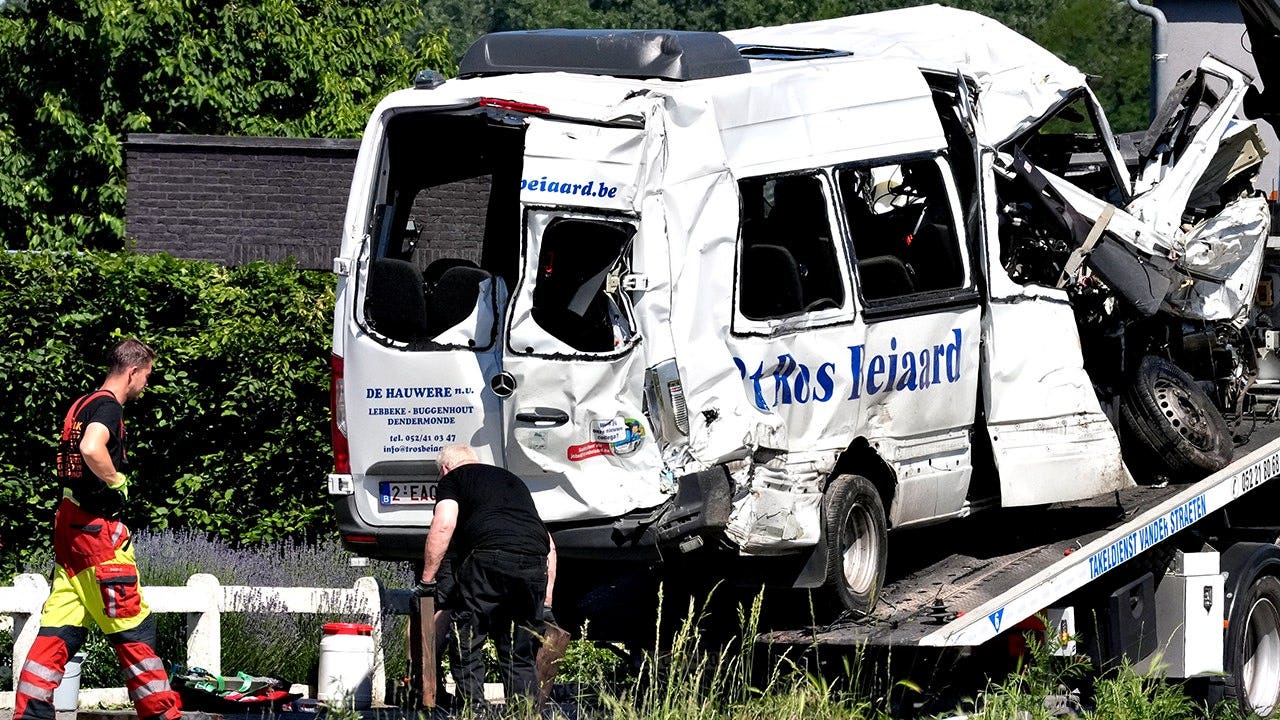
On the morning of May 26, 2026, a passenger train struck a minibus at a level crossing near Buggenhout in East Flanders, about 20 miles northwest of Brussels. The train was reportedly traveling at about 75 mph. Nine people were aboard the minibus; the driver, an escort, and two children (ages 12 and 15) were killed. Five other children who were on the minibus survived and were hospitalized with serious injuries. Belgian authorities and rail operator Infrabel reported that the crossing barrier was closed and the red light was on before the collision; security camera footage showed the minibus moving across the tracks just before impact. Infrabel stated the crossing system was functioning properly and that the train operator had no time to brake. Approximately 100 passengers were aboard the train; there were no reported injuries among them. Rail traffic in the area was suspended while emergency crews responded and an investigation was opened. Belgian Prime Minister Bart De Wever issued public condolences. Investigators are continuing to determine the precise circumstances that led to the minibus entering the crossing.
Biblical Reflection
This is a tragic loss of life involving children and highlights the intersection of human decision-making and public safety systems. The straightforward facts reported — a closed barrier and red light, functioning crossing equipment, the bus moving onto the tracks, and a high-speed train unable to stop in time — point to a need for careful, impartial investigation rather than immediate judgment. A Christian response balances truth and mercy: we should seek accurate facts and accountability where warranted, while offering compassion and practical support to grieving families and injured children. The article’s framing centers on the violent nature of the impact and apparent actions of the minibus; readers should note that early reports can leave out context (medical emergencies, mechanical failure, driver error, or other factors). Christians are called to mourn with those who mourn, to pursue justice for preventable harm, and to work for systems that protect the vulnerable — especially children. Public grief and calls for safety improvements are appropriate, but they should be grounded in verified information and expressed with humility toward those affected.
Scripture in context
This outlook does not yet include contextual Scripture citations. Do not treat a general biblical theme as an exegetical conclusion.
Faithful Response
No prescribed response is offered. Consider the reflection prompts below in your own church context.
Reflection and Discussion
- 1Are we allowing early, partial reports to shape lasting judgments about blame before investigators present full findings?
- 2How does our community balance the demand for accountability with the need to care for victims and avoid dehumanizing those involved?
- 3What practical changes to transport policy or infrastructure should we urge that both prevent future harm and protect the dignity of all parties?
Sources
Reporting links are evidence inputs; Sanctuary News' biblical reflection is commentary.
This outlook currently relies on fewer than two linked sources. Broaden verification before teaching from it.
- 1.Original reportprimary