News Summary
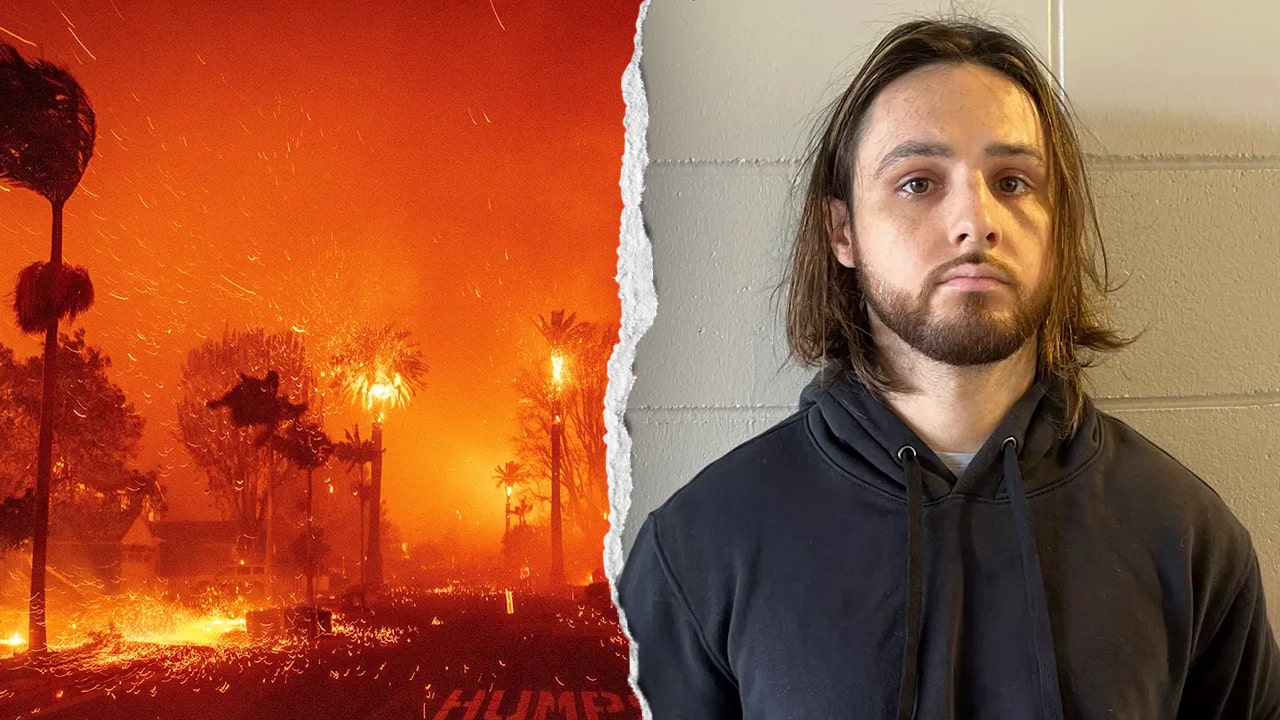
An Uber passenger, Brennan White, testified that during a New Year’s ride (Dec. 31, 2024–Jan. 1, 2025) the driver, Jonathan Rinderknecht, drove erratically and made ranting comments about humanity, women, and society — testimony White summarized using the slang term “incel energy.” Rinderknecht was arrested in October 2025 and is charged in connection with the January 2025 Palisades Fire with destruction of property by means of fire, arson affecting interstate commerce, and related counts; he has pleaded not guilty and is on trial in California. Prosecutors have presented evidence they say shows Rinderknecht became increasingly angry and fixated on Luigi Mangione (accused in a separate high‑profile killing), and that his online searches and passenger reports indicate resentment toward the wealthy and calls for vigilantism. A former federal prosecutor told Fox News Digital that the “incel” description may help prosecutors establish motive but could be seen as character evidence that risks unfair prejudice. Mangione’s attorney denied any connection between Mangione and unrelated violent acts; a Mangione supporter commented publicly about wealth inequality as a broader cause of anger. Defense counsel for Rinderknecht was not quoted in the report.
Biblical Reflection
The article reports courtroom testimony and prosecutorial framing that link a defendant’s words, internet searches, and demeanor to motive for a destructive and deadly fire. Christians should hold two truths together: the need for rigorous pursuit of justice for victims and the need to protect the fairness of legal process. Labels like “incel” are culturally loaded and can shortcut careful reasoning; they may be relevant if they point to motive or pattern, but they can also inflame public opinion and risk reducing a complex person to a stigmatized category. The reporting shows a prosecutorial strategy to connect anger and fixation to violent action; be alert to guilt‑by‑association claims (for example, tying another defendant’s notoriety to this act) and to the use of sensational language that shapes sympathy before verdict. Pastoral concern also includes compassion for victims of the fire and attention to underlying social realities — isolation, resentment, untreated mental distress, and economic inequality — that can fuel violence. Christians should pray for truth and fair process, resist dehumanizing language, seek mercy for the vulnerable and accountability for harm, and advocate for structures that prevent despair from becoming violence.
Scripture in context
This outlook does not yet include contextual Scripture citations. Do not treat a general biblical theme as an exegetical conclusion.
Faithful Response
No prescribed response is offered. Consider the reflection prompts below in your own church context.
Reflection and Discussion
- 1How does the use of a charged label like “incel” shape public perception of guilt before evidence is fully weighed?
- 2Are prosecutors or reporters relying on associations (internet searches, fixation on another perpetrator) in ways that risk conflating motive with character?
- 3What social and pastoral ministries could help address the isolation, anger, or despair that sometimes precede violent acts?
Sources
Reporting links are evidence inputs; Sanctuary News' biblical reflection is commentary.
This outlook currently relies on fewer than two linked sources. Broaden verification before teaching from it.
- 1.Original reportprimary