News Summary
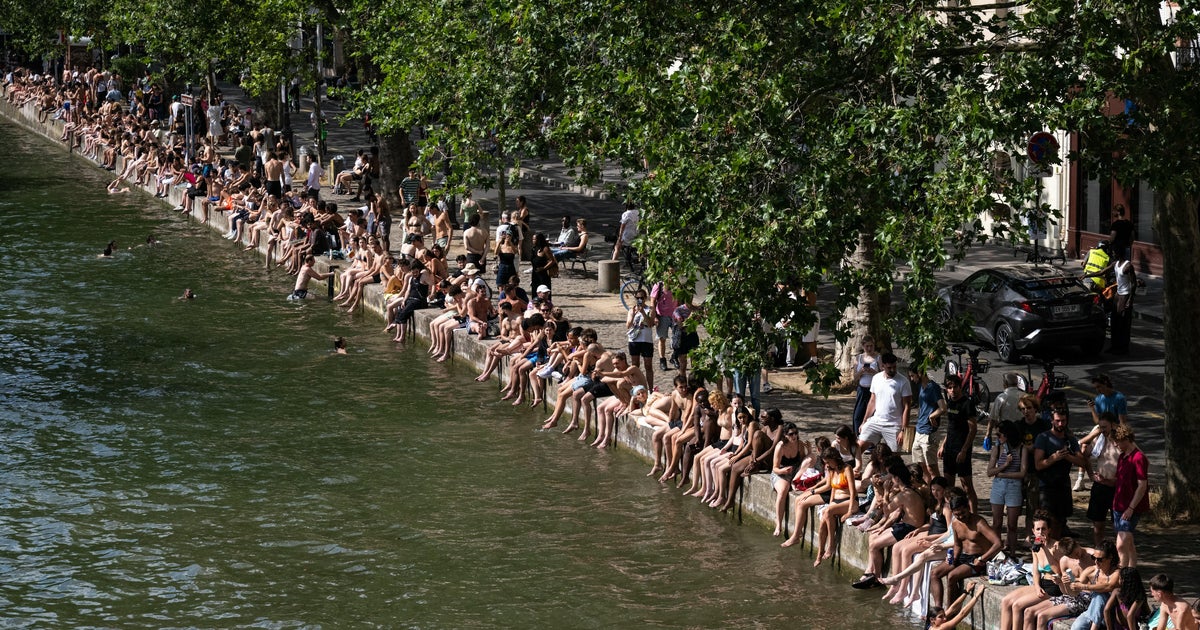
Paris city authorities temporarily banned public consumption of alcohol in most public spaces (with exceptions for outdoor seating at bars and restaurants) and prohibited the sale of takeaway alcoholic beverages beginning Friday at noon until the heat‑wave alert is lifted. Officials said the measures aim to reduce strain on hospitals and emergency services as heat-related hospitalizations rise. Paris Police chief Patrice Faure warned hospital facilities were nearing saturation. At least 55 people have drowned across France in recent days while seeking relief in ponds, lakes, and rivers. The Netherlands issued its first-ever red heat alert with temperatures expected to exceed 100°F. A study from World Weather Attribution published Friday concluded that human-caused climate change made the event vastly more likely and is unequivocally responsible for its intensity, calling for rapid fossil fuel phase-out to avoid worse temperatures.
Biblical Reflection
This article reports public-health measures and scientific findings in response to an acute environmental crisis. The city’s alcohol restrictions are a pragmatic public-safety step intended to protect health workers and vulnerable people; they reflect the biblical concern for neighbor-care and protecting life. The inclusion of a peer-reviewed attribution study fairly connects the event to broader human responsibility for creation — a theme Christians recognize as stewardship of the earth. Readers should note the article’s operational framing: it centers government action, medical capacity, and scientific attribution rather than moralizing individuals. That focus is appropriate for urgent public safety, but Christians are called both to practical care (supporting emergency responders, assisting those at risk) and to long‑term justice (advocating policies that protect the poor and future generations from worsening climate harms). Avoid turning the coverage into tribal rhetoric; truth-telling and humility help the church respond with mercy and wise civic engagement.
Scripture in context
This outlook does not yet include contextual Scripture citations. Do not treat a general biblical theme as an exegetical conclusion.
Faithful Response
No prescribed response is offered. Consider the reflection prompts below in your own church context.
Reflection and Discussion
- 1Does the coverage balance immediate public-safety steps with attention to systemic causes and the needs of the most vulnerable?
- 2How might Christians support both short-term relief (medical care, cooling centers, rescue efforts) and long-term stewardship (policy, energy choices) without weaponizing the crisis?
Sources
Reporting links are evidence inputs; Sanctuary News' biblical reflection is commentary.
This outlook currently relies on fewer than two linked sources. Broaden verification before teaching from it.
- 1.Original reportprimary