News Summary
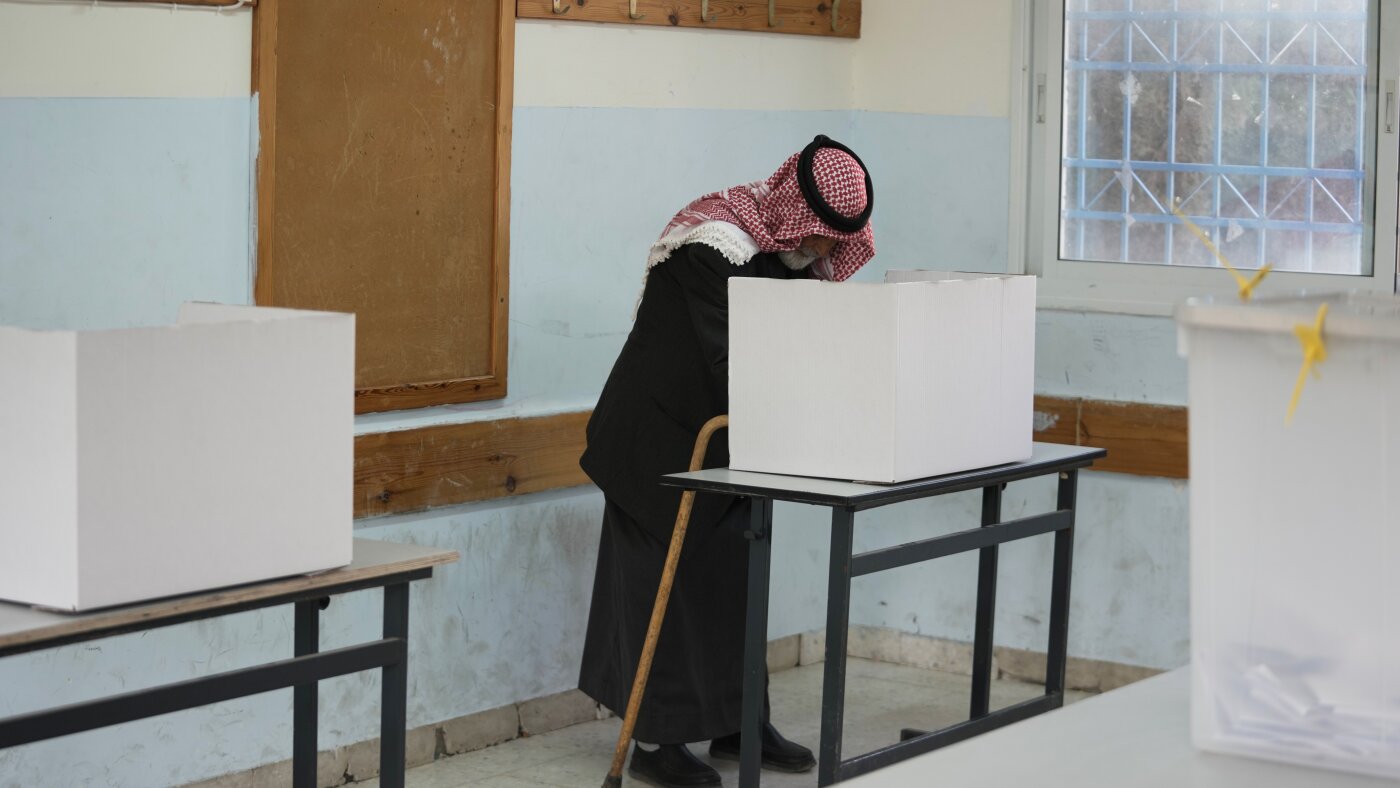
On April 25, 2026, local council elections were held in Deir al-Balah in central Gaza and across parts of the Israeli-occupied West Bank. The Gaza vote in Deir al-Balah was the first held in part of Hamas-run Gaza in more than two decades; turnout there was reported at 23%, with officials citing displacement and outdated registries as obstacles. Hamas did not field candidates and did not attempt to block the vote. West Bank turnout was reported at 56% (over half a million voters). Many contests were uncontested. Candidates were required to accept the Palestine Liberation Organization (PLO) program — including recognition of Israel and renouncing armed struggle — which effectively excludes Hamas and similar factions. Results were dominated by independents and Fatah, the leading faction of the Palestinian Authority (PA). PA leaders described the elections as a successful pilot and a step toward holding long-delayed presidential and legislative elections and eventual statehood. The PA has not held presidential elections since 2005 or legislative elections since 2006. The vote followed recent electoral reforms allowing votes for individuals rather than party slates. Observers and some Palestinians noted that municipal votes fall short of the broader demand for general (presidential and legislative) elections.
Biblical Reflection
What the article reports is factually straightforward but also framed largely through official PA statements calling the vote a step toward national unity and future presidential elections. A Christian analysis should note two truths at once: first, the desire for legitimate, representative governance and an end to violence aligns with biblical calls for justice, peace, and accountable leadership (see Micah 6:8). Second, structural problems — displacement, registry gaps, low turnout in Gaza, uncontested races, and a requirement that candidates accept the PLO platform — limit how representative these results are and can be used to consolidate authority rather than fully restore political legitimacy. The article reflects a secular, national-state worldview that treats elections as steps toward recognized statehood; it gives voice to PA officials and quantifies turnout, but offers less space to deeper critiques about legitimacy, inclusion of displaced populations, or how much local votes can substitute for national consent. Christians should be careful not to imbue political milestones with ultimate hope; while democratic processes are important instruments for stewarding justice and peace, our ultimate assurance is in God. At the same time, Christians can and should pray for fair processes, protection of civilians, truthful reporting, and leaders who seek the common good rather than factional advantage. Watch for subtle bias in coverage that elevates official optimism over substantive problems of representation and humanitarian conditions — two realities that determine whether elections truly serve the people or primarily political claims.
Scripture in context
This outlook does not yet include contextual Scripture citations. Do not treat a general biblical theme as an exegetical conclusion.
Faithful Response
No prescribed response is offered. Consider the reflection prompts below in your own church context.
Reflection and Discussion
- 1Does holding local votes in a context of displacement, outdated registries, and contested control produce legitimately representative outcomes, or can such votes be used primarily to claim political legitimacy?
- 2How does the requirement that candidates accept the PLO program (recognize Israel and renounce armed struggle) shape who can participate, and what does that mean for political inclusion and reconciliation?
- 3When coverage highlights official statements of ‘success,’ what additional evidence should we look for to assess whether these elections advance justice, peace, and durable governance for ordinary people?
Sources
Reporting links are evidence inputs; Sanctuary News' biblical reflection is commentary.
This outlook currently relies on fewer than two linked sources. Broaden verification before teaching from it.
- 1.Original reportprimary