News Summary
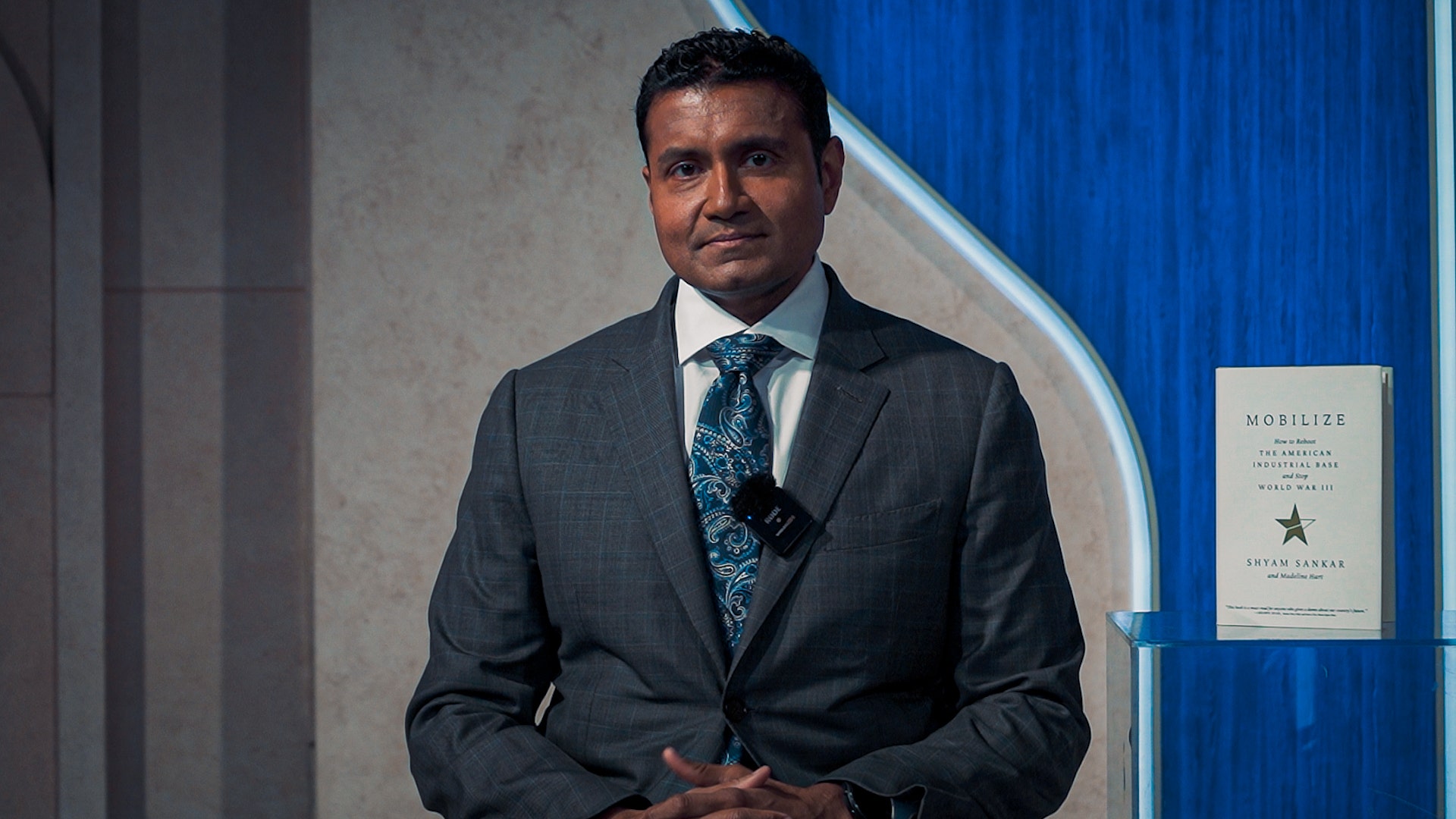
Palantir Technologies CTO Shyam Sankar, in an interview and in his new book 'Mobilize,' warns the United States faces an "undeclared emergency" because its industrial deterrence capacity has weakened as rivals grow stronger. He argues the U.S. should accelerate investment in technology, research and manufacturing, and empower innovative industry leaders to bypass Pentagon bureaucracy so weapons and systems reach soldiers more quickly. Sankar says artificial intelligence and modern software have dramatically increased planning efficiency on recent battlefields and contends U.S. high-end weapons remain superior, citing recent operations and perceived failures of some adversary air defenses. He also warns of vulnerabilities at the "low end" of warfare—such as countering inexpensive, rapidly produced threats like Shahed drones—and calls for heterodox thinking and a surge of investment to restore deterrence. The piece appears in Fox News Digital and references current events in Iran and other global security flashpoints to justify his recommendations.
Biblical Reflection
This article conveys a call for renewed industrial and technological investment to preserve American deterrence. From a Christian vantage point, several truths and cautions emerge. The desire to protect the innocent and preserve peace is consistent with biblical responsibilities to pursue justice and safeguard communities (see Proverbs and the prophetic concern for the vulnerable). At the same time, the article reflects a strong technological and militaristic confidence: it assumes that superior weapons, rapid production, and organizational reform are primary means to prevent large-scale war. That worldview can be partial. Scripture warns against putting ultimate trust in human power and armaments (e.g., Psalm 20:7) and urges humility, wisdom, and a sober appraisal of motives (Proverbs 16:18; James 3:13–18). Two practical cautions follow: (1) policy choices driven primarily by fear or pride risk creating an arms-first posture that downplays diplomacy, peacemaking, and long-term moral accountability; (2) a tech-optimism that treats innovation as morally neutral can obscure ethical costs (civilian harm, escalation dynamics, economic disparities). The article's policy recommendations are defensible as prudential measures, but they are not morally neutral facts—political, economic, and ethical judgments underlie them. Christians should therefore weigh the legitimate call to protect and deter against calls to avoid idolizing power, to insist on transparency and restraint, and to prioritize avenues that genuinely reduce suffering and promote durable peace.
Scripture in context
This outlook does not yet include contextual Scripture citations. Do not treat a general biblical theme as an exegetical conclusion.
Faithful Response
No prescribed response is offered. Consider the reflection prompts below in your own church context.
Reflection and Discussion
- 1What assumptions about security and the best means to peace underlie the argument that technological superiority and rapid weapons production are the primary deterrents to large-scale war?
- 2Where might reliance on faster, more lethal technology unintentionally increase pride, escalate conflicts, or sideline diplomatic and humanitarian solutions?
- 3How should Christians balance the biblical call to protect the vulnerable with caution against trusting in military or technological power as the ultimate safeguard?
Sources
Reporting links are evidence inputs; Sanctuary News' biblical reflection is commentary.
This outlook currently relies on fewer than two linked sources. Broaden verification before teaching from it.
- 1.Original reportprimary