News Summary
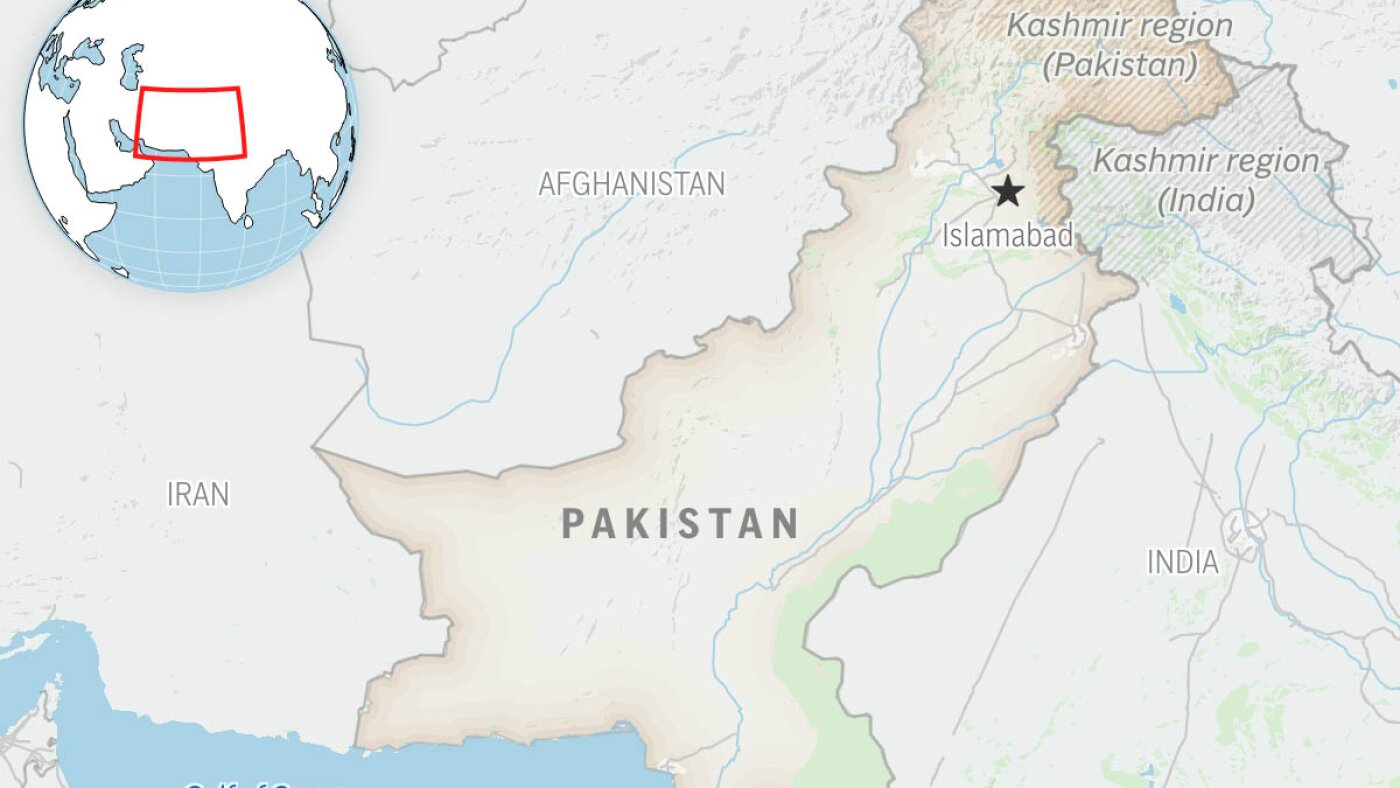
Pakistan's military reported that security forces conducted intelligence-driven raids in the country's northwest near the Afghan border and killed 24 militants over roughly 24 hours. The military said the dead were members of the Tehrik-e-Taliban Pakistan (TTP) and Baloch separatist groups and that weapons caches were seized. The operations were described as a response to militant attacks earlier in the week, including a vehicle-borne suicide bombing and an assault on a police station in Bannu, Khyber Pakhtunkhwa. President Asif Ali Zardari and Prime Minister Shehbaz Sharif publicly praised the security forces and reiterated the government's commitment to counterterrorism. Pakistani officials accused the Afghan government of tolerating cross-border militant activity and repeated allegations that India supports some militant groups; Kabul denies responsibility and New Delhi denies the allegations. The military said these raids are part of Azm-e-Istehkam, a nationwide counterterrorism campaign under the National Action Plan that began last year, and Pakistan has carried out similar strikes along the Afghan border since the previous year.
Biblical Reflection
From a Christian pastoral perspective, protecting civilians and pursuing justice against violent actors is a legitimate and necessary role of government. The article primarily reflects official military accounts, which aim to justify forceful responses to attacks and to reassure the public; casualty figures and responsibility claims are presented largely through those sources. That creates a risk of accepting a single narrative without independent verification. The repeating of geopolitical accusations (blaming Afghanistan or India) suggests political framing that can harden national resentment and complicate reconciliation. Christians should weigh the moral imperative to defend the vulnerable alongside the call to pursue peace, truth, and mercy: military action that prevents imminent harm can be responsible, but it must be paired with accountability, protection of noncombatants, transparent investigation of claims, and efforts to address root causes—poverty, grievance, and political exclusion—that fuel militancy. The report does not address civilian harm, displacement, or prospects for de-escalation, all of which matter morally and practically. In short: seek justice for victims, but be cautious of single-source claims and attentive to long-term peacebuilding.
Scripture in context
This outlook does not yet include contextual Scripture citations. Do not treat a general biblical theme as an exegetical conclusion.
Faithful Response
No prescribed response is offered. Consider the reflection prompts below in your own church context.
Reflection and Discussion
- 1How much of the account depends on official military statements, and what independent verification is available for casualty numbers and claims of responsibility?
- 2Are repeated accusations against neighboring governments serving a security case or a political narrative, and how might that framing affect chances for de-escalation?
- 3What are the likely humanitarian and longer-term social consequences of these raids for civilians near the border, and who will care for those affected?
Sources
Reporting links are evidence inputs; Sanctuary News' biblical reflection is commentary.
This outlook currently relies on fewer than two linked sources. Broaden verification before teaching from it.
- 1.Original reportprimary