News Summary
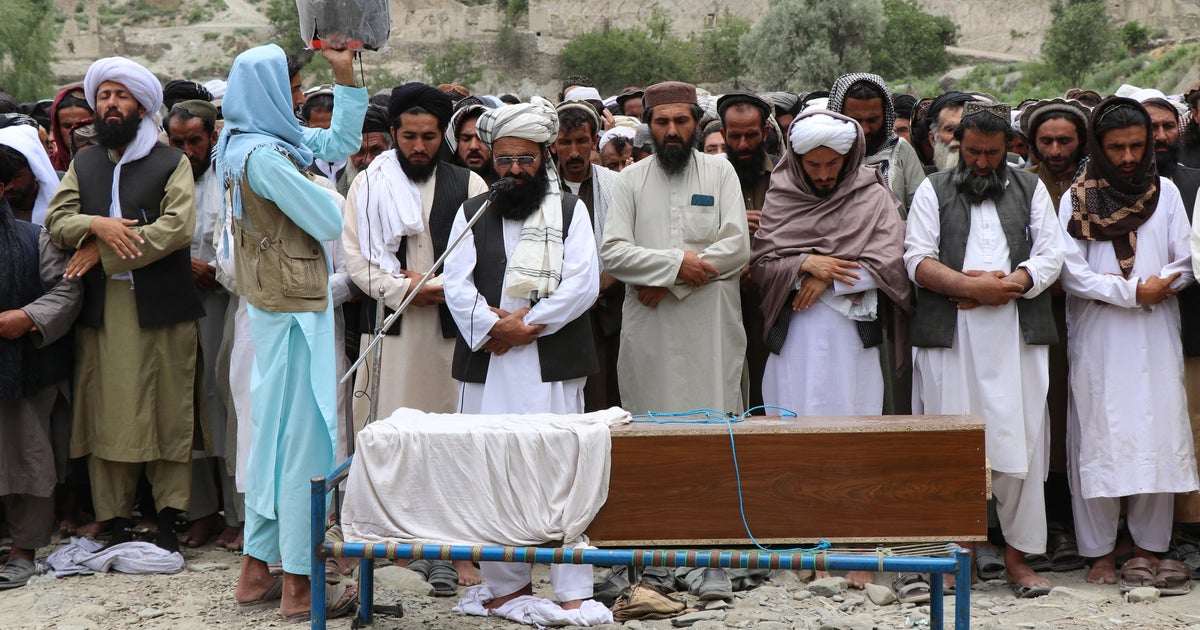
On June 10, 2026, Pakistan launched airstrikes into eastern Afghan provinces Khost, Kunar and Paktika. Afghanistan’s Taliban-run government said the strikes killed 13 people, including 11 children, and wounded 14 civilians. Pakistan confirmed conducting strikes, saying they were "precise and calibrated" and that 26 militants were killed; Pakistani officials said four targets were destroyed—a training center, a hideout, an ammunition cache and a militant commanders’ facility. Local aid workers and residents reported homes being struck and children among the dead. The strikes mark a resumption of hostilities after months of cross-border fighting that began in late February; Pakistan declared an "open war" with Afghanistan in February after a surge of militant attacks attributed to the Tehrik-e-Taliban Pakistan (TTP). Several rounds of mediation have not produced a lasting truce. Both sides dispute casualty figures and blame each other for harboring or enabling militants. Pakistan says the strikes aim to stop attacks inside Pakistan, citing a recent TTP attack that killed Pakistani security personnel; Afghan officials deny Pakistan’s allegations and say civilians were hit. Earlier incidents cited in coverage include a March Pakistani strike that Afghanistan said killed hundreds in Kabul, a claim Pakistan disputes.
Biblical Reflection
This report highlights a recurring pattern in which security objectives and narratives of national self-defense collide with the real human cost borne by civilians, especially children. The sharp divergence between official Pakistani claims and Afghan local reports shows an active information war; neither side’s account can be accepted without independent verification. From a Christian perspective we must refuse the dehumanizing logic that treats civilians as collateral or propaganda. Truth-seeking matters—both to hold actors accountable and to care for victims. The likely intentions on Pakistan’s side are to degrade militant capacity and protect citizens; the likely intentions of Afghan spokesmen are to document civilian suffering and delegitimize cross-border strikes. Both motives can contain partial truths while obscuring broader moral responsibilities: protecting noncombatants, ensuring impartial investigation, and pursuing avenues that break cycles of retaliation. Christians should respond with measured critique of violence, insistence on humanitarian access and independent fact-finding, compassionate care for the bereaved, and persistent advocacy for diplomatic remedies that prioritize human life over power or revenge.
Scripture in context
This outlook does not yet include contextual Scripture citations. Do not treat a general biblical theme as an exegetical conclusion.
Faithful Response
No prescribed response is offered. Consider the reflection prompts below in your own church context.
Reflection and Discussion
- 1Whose experiences and voices are centered in this reporting, and whose suffering might be missing from the headlines?
- 2How should we weigh conflicting casualty claims from warring governments before forming moral conclusions?
- 3Are security arguments being used to normalize civilian harm, and how would a Christian commitment to neighbor-love change policy priorities?
Sources
Reporting links are evidence inputs; Sanctuary News' biblical reflection is commentary.
This outlook currently relies on fewer than two linked sources. Broaden verification before teaching from it.
- 1.Original reportprimary