News Summary
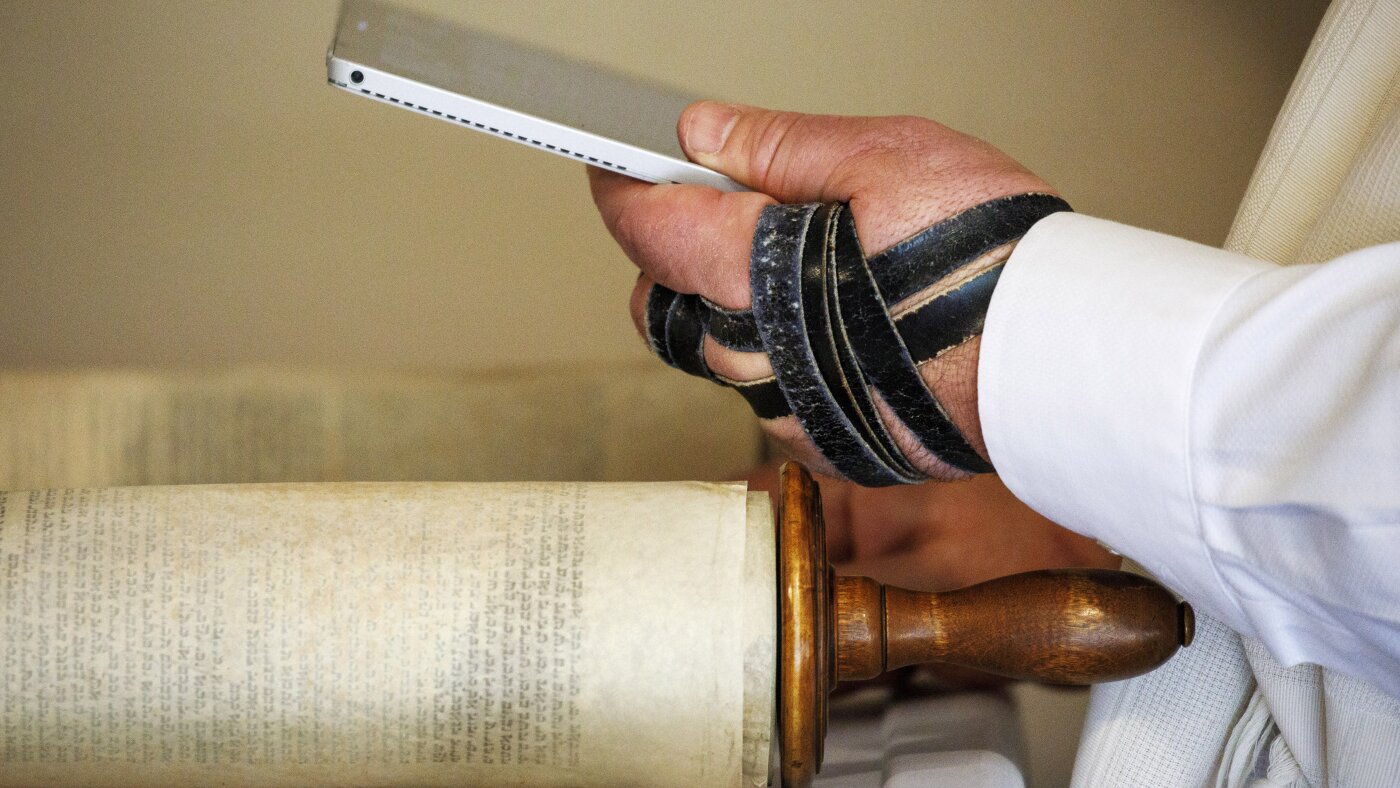
The U.S. House of Representatives passed the Sunshine Protection Act by a 308–117 vote on July 14, advancing a proposal to end the twice-yearly clock change and make daylight saving time permanent. If enacted, evenings would have more daylight year-round but winter sunrises would occur about one hour later. Several Orthodox Jewish organizations — including Agudath Israel of America, the Orthodox Union, and the Coalition for Jewish Values — oppose the measure because certain morning prayers (Shacharit), which by tradition cannot begin in darkness and often require a communal minyan, could be forced to start later, conflicting with work and school schedules and reducing attendance at longstanding morning services. Orthodox groups also cite safety concerns for children traveling to school in darker winter mornings. The article notes other critics, such as health advocates and school boards, who worry about circadian rhythm impacts and student safety. The bill now moves to the Senate where its fate is uncertain. The piece references past attempts to alter daylight saving time (1974 and a 2022 Senate measure) and lists U.S. jurisdictions that already observe standard time year-round.
Biblical Reflection
The article reports a concrete policy debate where the aim of simplifying timekeeping collides with religious practice and public-safety concerns. The reporting is largely factual and gives voice to the Orthodox position while noting other objections (health experts, school officials). From a Christian pastoral perspective, this is a reminder that neutral-sounding public policies can unintentionally burden religious minorities and everyday rhythms of worship. Christian wisdom calls for careful weighing of competing goods: the public interest in uniform, predictable time; scientific concerns about circadian health and child safety; and the protection of religious conscience and communal worship. The morally prudent response is not to posture for or against either side but to seek accommodations or pragmatic adjustments (schedule flexibility, local school start compromises, targeted exemptions, or transitional measures) that minimize harm and preserve religious liberty. The article’s worldview is civic-minded and pluralistic, but it could dig deeper into policy options that balance majoritarian aims with minority rights. Christians should listen with humility to those whose worship rhythms differ from their own and advocate for solutions marked by truth, mercy, and neighbor-love rather than triumphalism.
Scripture in context
This outlook does not yet include contextual Scripture citations. Do not treat a general biblical theme as an exegetical conclusion.
Faithful Response
No prescribed response is offered. Consider the reflection prompts below in your own church context.
Reflection and Discussion
- 1When a policy benefits many but burdens a minority’s core religious practice, what principles should guide lawmakers in balancing the public good and religious liberty?
- 2Are we assuming a single 'normal' daily rhythm for all citizens, and how does that assumption obscure the needs of religious communities and families?
- 3What practical, compromise-minded steps (scheduling flexibility, localized exceptions, or safety measures) could reduce harms while preserving the bill’s stated goals?
Sources
Reporting links are evidence inputs; Sanctuary News' biblical reflection is commentary.
This outlook currently relies on fewer than two linked sources. Broaden verification before teaching from it.
- 1.Original reportprimary