News Summary
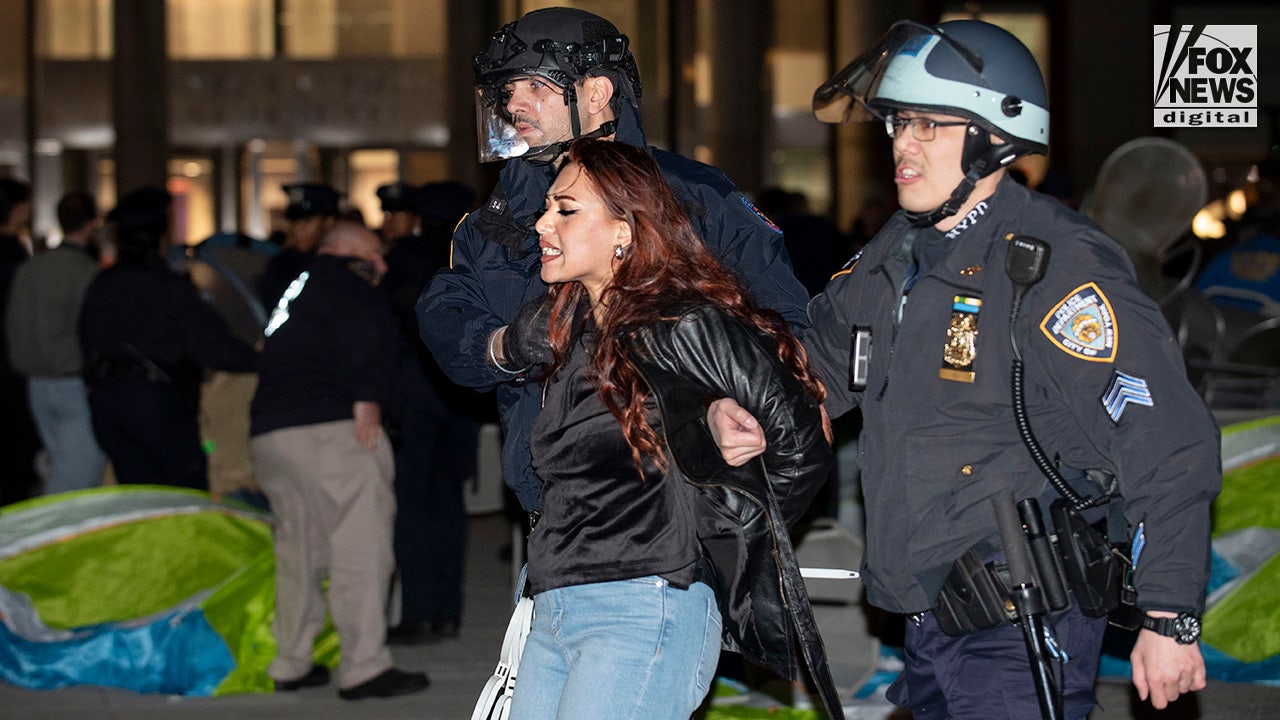
This Fox News opinion piece by William J. Bennett and Rob Noel reflects on events beginning April 18, 2024, when New York Police Department officers arrested 108 students at Columbia University’s “Gaza Solidarity Encampment.” The article reports subsequent campus disturbances nationwide—alleged harassment of Jewish students, vandalism including swastikas, American flags burned, and thousands of arrests related to protests—and argues these events contributed to a climate of fear and self-censorship on campuses. Citing FIRE’s 2026 college free speech survey, the authors state that 91% of students self-censor at least some of the time in conversations with classmates and that Israel-Palestine is among the topics most feared, followed by abortion and transgender rights. The piece claims large majorities of students also self-censor with professors, that faculty ideological imbalances have widened over decades (citing ratios of liberal/conservative faculty and examples such as Yale humanities), and that a growing number of students believe violence can be justified to stop a speaker (one in three, a 70% increase since 2022, per the article). The authors attribute ongoing campus chilling to social reprisal and, in part, to campus elites using fear to enforce conformity. They note recent institutional responses described as results of federal pressure — including the reduction of DEI programs and adoption of institutional neutrality policies — and call for restoring intellectual diversity, anonymous polling of student views, donor accountability tied to free inquiry, and a renewed focus on virtue (especially courage) in higher education. The piece is presented as opinion and mixes reported survey data, historical claims about faculty composition, examples of campus incidents, and prescriptive recommendations.
Biblical Reflection
This article is an opinion piece that raises genuine concerns about campus climate, free expression, and the effects of intimidation on students and minority communities. Its strengths are the emphasis on protecting vulnerable students and calling for environments where ideas can be debated without fear. However, as Christians discerning media claims, we should note several tendencies in the piece: it is selective in sources (relying heavily on FIRE and specific anecdotes), mixes factual reporting with normative judgments, and frames solutions largely through a political and institutional lens. The article’s rhetoric centers fear-versus-courage and assumes that restoring ideological balance and institutional neutrality will repair the harms described. Scripture supports calling out injustice and defending the oppressed (e.g., protecting Jewish students from harassment), and it also calls us to speak truth in love and pursue justice with humility. But Christian discernment cautions against trading one form of coercion for another—using institutional power to silence or marginalize dissent—because the gospel calls for persuasion, not intimidation (2 Corinthians 5:11; 1 Peter 3:15). Practically, the Christian response should value both truth and charity: advocate for free and safe discourse, protect those threatened or harassed, seek systems that reward honest inquiry rather than conformity, and ensure corrective actions are measured, transparent, and oriented to healing rather than partisan advantage. Finally, beware of fear-based narratives that simplify complex causes; cultivate patience to listen to multiple data sources and the stories of those most affected so reform aims at genuine flourishing rather than merely shifting power.
Scripture in context
This outlook does not yet include contextual Scripture citations. Do not treat a general biblical theme as an exegetical conclusion.
Faithful Response
No prescribed response is offered. Consider the reflection prompts below in your own church context.
Reflection and Discussion
- 1Which voices or incidents does this article highlight, and which voices or contexts might it be leaving out when diagnosing campus culture?
- 2Are the proposed institutional fixes oriented toward fostering honest, charitable dialogue and protecting the vulnerable, or toward imposing a different form of ideological conformity?
- 3How can Christians hold both the pursuit of truth and the command to love our neighbors when engaging with contentious campus debates?
Sources
Reporting links are evidence inputs; Sanctuary News' biblical reflection is commentary.
This outlook currently relies on fewer than two linked sources. Broaden verification before teaching from it.
- 1.Original reportprimary