News Summary
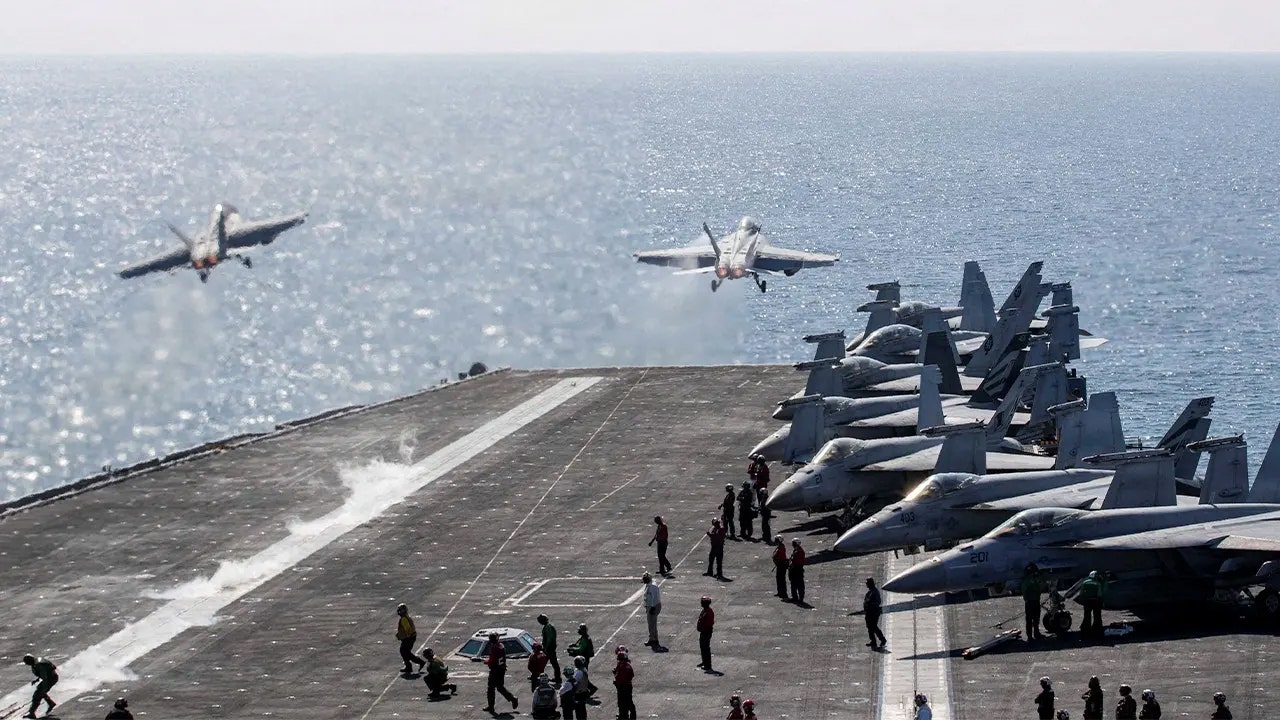
The article is an opinion piece by Mark Pfeifle and David Des Roches reporting from the Gulf region about 'Operation Epic Fury,' a U.S.-Israeli military campaign now in its second month. It states that CENTCOM has implemented a blockade covering Iranian ports in the Arabian Gulf and Gulf of Oman. The authors claim the campaign has inflicted heavy damage on Iran’s military capabilities—asserting more than 8,000 Iranian military targets were hit and that Iran’s ballistic missile inventory, nuclear infrastructure, air defenses, navy, and command architecture were significantly degraded—while characterizing the Iranian regime as weakened though still intact. The piece reports a U.S. rescue of a weapons-system officer whose aircraft was shot down and says both crewmembers were recovered. It also notes operational costs: depletion and damage to U.S. air and missile defense interceptors, and a friendly-fire incident in which Central Command confirmed that three U.S. F-15 fighters were mistakenly shot down by Kuwaiti forces (with all servicemembers surviving). The authors argue the conflict exposed shortcomings in interceptor inventories, battlespace awareness, and command-and-control integration. They advocate accelerated deployment and modernization of systems such as the Army’s Integrated Battle Command System (IBCS), mobile and adaptive missile-defense configurations, and allied purchases and integration (citing Poland’s Wisla system as a model). They recommend similar integrated defenses for Gulf states (e.g., Qatar, UAE) to reduce friendly fire and harden defenses. The piece criticizes lack of clearly communicated objectives for the campaign and acknowledges human and material costs, while concluding the campaign was nonetheless a military success. The article appears on Fox News Opinion and is written by former and retired U.S. national security officials.
Biblical Reflection
From a Christian perspective, several truths and cautions arise. The article is written through a security-minded, realist lens: it treats military capability, strategic advantage, and technological solutions as primary remedies for the threats described. That focus is understandable given the authors' backgrounds, but it also narrows the frame—minimizing attention to civilian harm, long-term political consequences, and diplomatic alternatives. Christians should note the article’s mix of factual reporting and advocacy: many operational claims (e.g., ‘more than 8,000 targets decimated,’ the depth of nuclear and missile attrition) are presented as established facts but will need independent verification and context about civilian impact and proportionality. The authors rightly call for prudence about depleted interceptors and better command-and-control—practical stewardship of resources is sensible—but their prescriptions are technological and military rather than moral or reconciliatory. Scripture repeatedly commends the protection of the vulnerable and the pursuit of peace (e.g., Matthew 5:9), yet it also recognizes the need for wise defense. The article's worldview privileges deterrence, force modernization, and allied burden-sharing; it assumes military superiority can reshape regional threats. Christians should weigh that assumption against biblical calls for justice, repentance, and peacemaking. Finally, the piece lacks sustained moral reflection on civilian suffering, post-conflict governance, and the spiritual dangers of triumphalism. In short: the reporting and recommendations contain valid strategic concerns worth sober attention, but believers should interpret them discerningly—demanding factual verification, insisting on accountability for noncombatant harm, asking whether long-term solutions aim at peace and justice and not merely at tactical advantage, and praying for humility in wielding power.
Scripture in context
This outlook does not yet include contextual Scripture citations. Do not treat a general biblical theme as an exegetical conclusion.
Faithful Response
No prescribed response is offered. Consider the reflection prompts below in your own church context.
Reflection and Discussion
- 1Which facts in the article are presented as settled but rely on claims from officials or opinion writers, and what independent sources would you consult to verify them?
- 2Whose perspectives are missing from this account (e.g., civilians inside Iran, regional neighbors, diplomatic actors), and how does that absence shape the moral picture the article paints?
- 3How do we balance the biblical call to protect the innocent and pursue justice with the moral hazards of military power and the need for long-term political solutions beyond battlefield victories?
Sources
Reporting links are evidence inputs; Sanctuary News' biblical reflection is commentary.
This outlook currently relies on fewer than two linked sources. Broaden verification before teaching from it.
- 1.Original reportprimary