News Summary
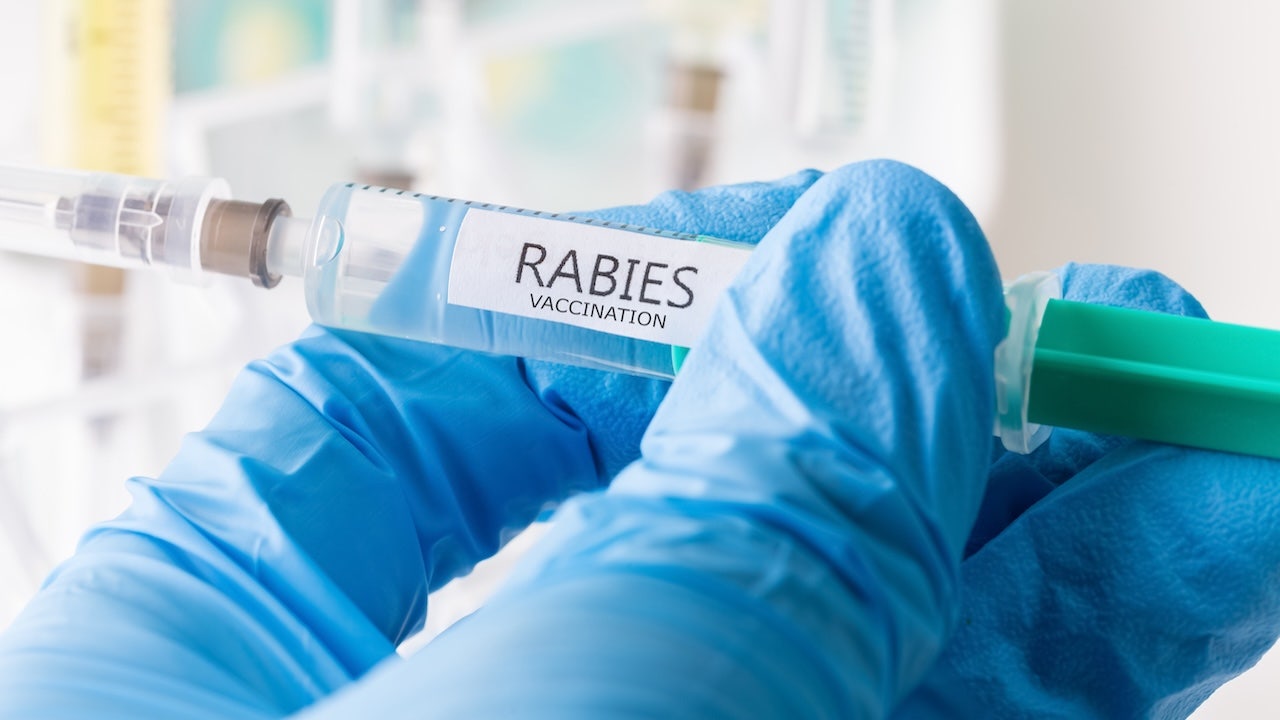
A case report in the Canadian Medical Association Journal describes an 11-year-old boy in Ontario who died of rabies after a bat landed on his nose and mouth while he slept at a cottage. Nineteen days before symptom onset the child woke to a bat on his face, swatted it away, and his father captured and released the bat; there were no visible bite marks and the family did not seek medical advice. The boy was brought to an emergency department 20 days after the encounter, briefly sent home, then admitted the next day. His condition deteriorated rapidly; by day 5 of admission brainstem reflexes were absent. Life-sustaining therapies were withdrawn on day 17 and he died after more than two weeks in hospital. The authors note that rabies is almost always fatal if not treated promptly with postexposure prophylaxis (PEP), and they urge that any direct contact with a bat—even without visible bites—should prompt discussion with public health authorities.
Biblical Reflection
The report is a sober reminder that invisible risks can have devastating outcomes and that timely, informed action can save lives. From a Christian perspective, the story calls for compassionate mourning for the family and for responsible neighbor-love: we show care by sharing accurate public-health information, by urging caution without spreading panic, and by supporting systems that connect people quickly to medical guidance. The article itself presents clinical facts but comes through a mainstream news outlet that may focus on the tragic element; readers should note the underlying message—rabies prevention depends on prompt medical evaluation and access to PEP—and look for local public-health guidance rather than sensational headlines. Spiritually, the incident challenges us to practice humility before uncontrollable dangers, courage in taking preventive steps for others, and mercy toward grieving people rather than using the story to stoke fear.
Scripture in context
This outlook does not yet include contextual Scripture citations. Do not treat a general biblical theme as an exegetical conclusion.
Faithful Response
No prescribed response is offered. Consider the reflection prompts below in your own church context.
Reflection and Discussion
- 1Are we responding to this story with helpful caution and information or with fear that obscures practical prevention steps?
- 2Whose needs does the coverage center—the grieving family, public health guidance, or emotional shock value—and how does that shape our view of the event?
- 3How can Christian communities respond to prevent similar harms (education, access to health advice) while offering pastoral care to those affected?
Sources
Reporting links are evidence inputs; Sanctuary News' biblical reflection is commentary.
This outlook currently relies on fewer than two linked sources. Broaden verification before teaching from it.
- 1.Original reportprimary