News Summary
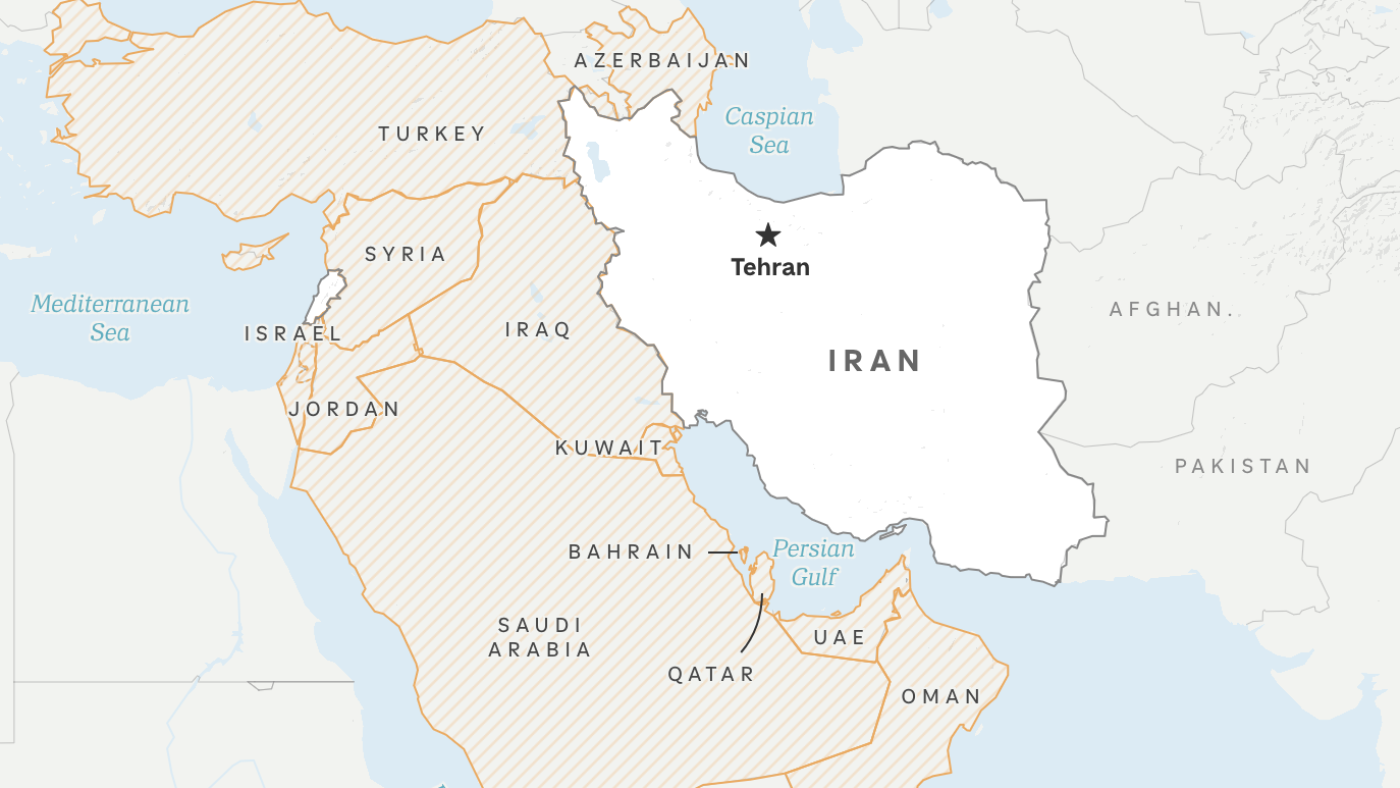
The article covers the rapid escalation of a new war involving Iran, the U.S., and Israel, which has now expanded to impact numerous countries worldwide. The conflict began with coordinated American and Israeli strikes that killed Iran's Supreme Leader and many top officials, effectively crippling Iran's military. In retaliation, Iran has launched attacks on Israel, U.S. bases, neighboring Gulf states, and even Azerbaijan, leading to high civilian and military casualties. The conflict has also triggered political and economic crises, with oil prices surging and global markets destabilized due to disruptions in the Strait of Hormuz. International alliances are being tested, with European and Asian countries taking sides or attempting to mediate. Britain, France, and Italy have increased their military presence, while countries like Spain have clashed with the U.S. over military cooperation. China and Russia are responding cautiously, concerned about global stability and oil supplies. The article underscores the war's global fallout: humanitarian crises, refugee flows, deepening international tensions, and severe economic consequences.
Biblical Reflection
Through the lens of Scripture, this news is sobering and troubling. The escalation of violence, loss of innocent life, and widening of conflict starkly contrast with the biblical call to be peacemakers (Matthew 5:9) and to pursue justice and mercy (Micah 6:8). The rhetoric of vengeance and total destruction, as well as the refusal to seek peaceful negotiation, reflect a cycle of retribution that Scripture warns against (Romans 12:17-21). The suffering of civilians, refugees fleeing bombardment, and the destabilization of whole societies should stir the Christian conscience to pray, advocate for peace, and remember that all people are made in the image of God (Genesis 1:27). The economic fallout and political alliances reveal the world's entanglement in power and wealth, often at the expense of the vulnerable—a dynamic that Scripture consistently critiques (James 5:1-6). Christians are called to lament violence, seek justice, and work for reconciliation. This story is a call to reject the normalization of war as a solution and to long for the peace of Christ that surpasses understanding (Philippians 4:7).
Scripture in context
This outlook does not yet include contextual Scripture citations. Do not treat a general biblical theme as an exegetical conclusion.
Faithful Response
No prescribed response is offered. Consider the reflection prompts below in your own church context.
Reflection and Discussion
- 1How can you be an agent of peace in your community and conversations about global conflict?
- 2What practices can help you resist the temptation to accept violence as inevitable or justified?
- 3How might you pray for and support those suffering as a result of this conflict?
Sources
Reporting links are evidence inputs; Sanctuary News' biblical reflection is commentary.
This outlook currently relies on fewer than two linked sources. Broaden verification before teaching from it.
- 1.Original reportprimary