News Summary
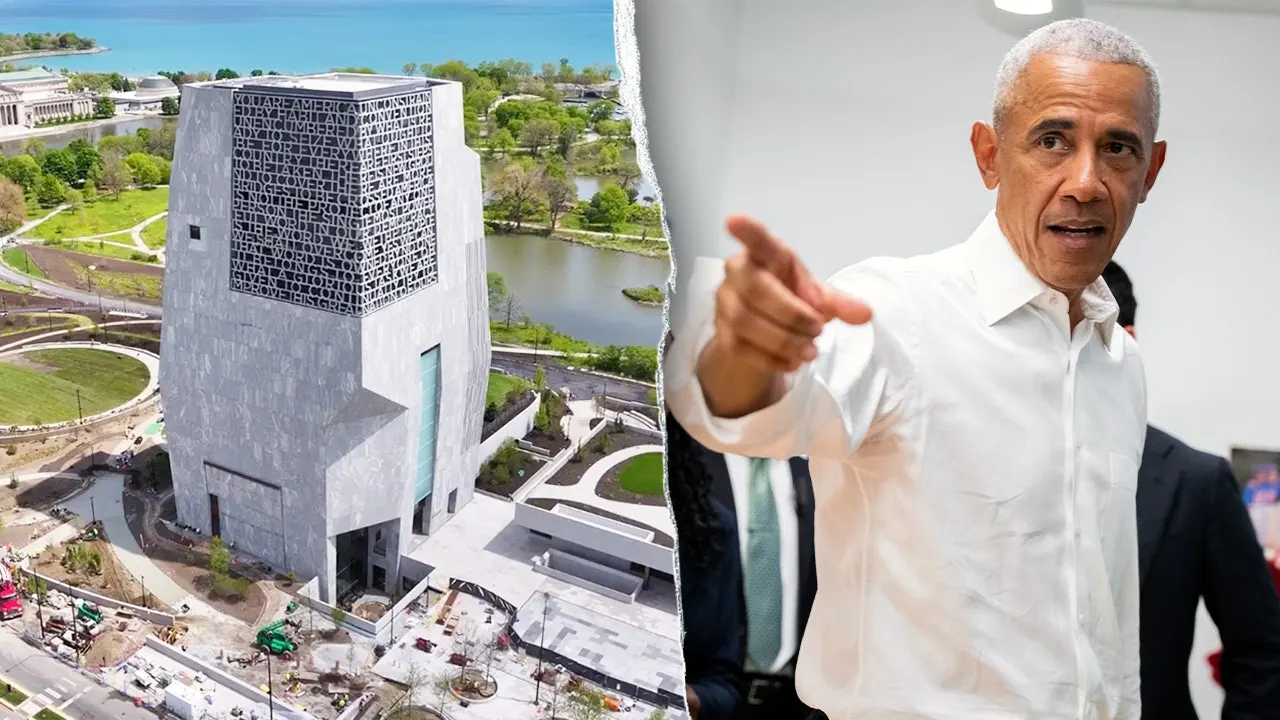
The opinion piece, written by Pastor Corey Brooks, argues that the $850 million Obama Presidential Center in Jackson Park on Chicago’s South Side risks harming longtime residents through rising rents, displacement, and heightened property values and short-term rentals. Brooks contends that previous political leadership, including Barack Obama’s tenure as community organizer, state senator, and president, produced little lasting transformation for the South Side. He contrasts the center’s top-down, celebrity-driven approach with his own grassroots work through Project H.O.O.D., which he says has converted a high-crime block into a community-focused training and opportunity center. The article cites local reports of rent increases, property value growth, and community organizing to resist displacement; it emphasizes the need for mentorship, work, family responsibility, and faith-driven local solutions over monuments or outside-driven projects.
Biblical Reflection
This is an opinion piece with a clear pastoral and activist perspective. Its central moral concern—protecting vulnerable neighbors from displacement and ensuring that local people benefit from development—is legitimate and aligns with Christian duties to love and defend the poor and neighbor. At the same time, the article is advocacy-driven: it selectively emphasizes evidence of harm, attributes systemic failure to individual political biography, and elevates the author’s own organization as a preferred model. Christians should therefore attend both to the truths and the gaps: truth in calling for accountability, transparent safeguards, community representation, and measurable benefits for long-term residents; caution about sweeping causal claims that reduce complex social problems to the actions or identity of a single public figure. Practically, a faithful response combines mercy (protect displaced families), truth-telling (demand clear data on rents, jobs, and endowment safeguards), humility (recognize limits of any single solution), and courage (advocate policy protections and community-led development). The piece rightly presses for grassroots stewardship and durable relationships over symbolic monuments, but readers should also test its assertions against independent data and consider collaborative solutions that pair institutional investment with legal protections for residents.
Scripture in context
This outlook does not yet include contextual Scripture citations. Do not treat a general biblical theme as an exegetical conclusion.
Faithful Response
No prescribed response is offered. Consider the reflection prompts below in your own church context.
Reflection and Discussion
- 1What independent data exists about rent, property-value changes, and displacement near the center, and who is collecting and reporting it?
- 2Who has a seat at the planning table and decision-making process for the center and related development — are longtime residents and local leaders included and empowered?
- 3Does the piece balance personal responsibility and faith-shaped formation with realistic attention to systemic causes and policy solutions that protect vulnerable neighbors?
Sources
Reporting links are evidence inputs; Sanctuary News' biblical reflection is commentary.
This outlook currently relies on fewer than two linked sources. Broaden verification before teaching from it.
- 1.Original reportprimary