News Summary
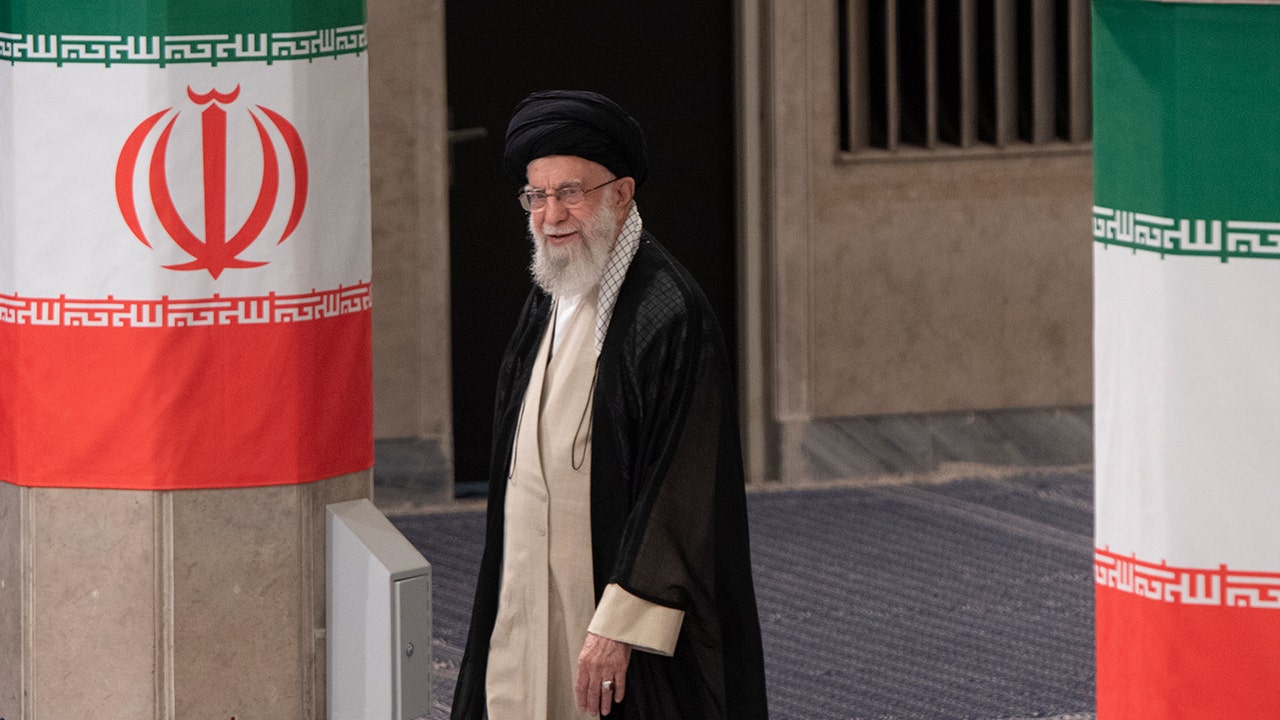
The article discusses backlash against The New York Times for its obituary headline on Ayatollah Ali Khamenei, Iran's supreme leader, who recently died at age 86. The NYT described Khamenei as a 'hard-line cleric who made Iran a regional power' and characterized him as 'avuncular and magnanimous.' This portrayal, especially given Khamenei's history of harsh domestic crackdowns and alleged responsibility for the deaths of thousands of protesters, was criticized by politicians, pundits, and other media outlets for being overly soft or revisionist. The Washington Post received similar criticism for referring to Khamenei's 'easy smile.' The NYT defended its approach, claiming its obituaries aim to report significant lives in full, including both positive and negative aspects. The controversy highlights ongoing debates about how major media outlets frame the legacies of controversial leaders.
Biblical Reflection
From a biblical perspective, the handling of truth and justice in public discourse is of utmost importance. Scripture warns against partiality and calls for honesty in representing both the good and evil that people commit (Proverbs 17:15, Isaiah 5:20). The softening or sanitizing of a leader’s legacy, especially when there is a record of oppression and violence, risks misleading the public and undermines the biblical ideals of truth and justice. Christians are called to be discerning (1 John 4:1) and to seek the truth, resisting the temptation to whitewash wrongdoing or to let cultural or political pressures override moral clarity. The controversy around the NYT's obituary serves as a cautionary example of how narratives can be shaped or distorted, reminding believers to pray for discernment and to uphold truth, justice, and accountability in public life.
Scripture in context
This outlook does not yet include contextual Scripture citations. Do not treat a general biblical theme as an exegetical conclusion.
Faithful Response
No prescribed response is offered. Consider the reflection prompts below in your own church context.
Reflection and Discussion
- 1How do I discern truth when media coverage of political or religious leaders seems biased or incomplete?
- 2In what ways might I be tempted to overlook or justify wrongdoing, either in public figures or in my own life?
- 3How can I promote justice and truth in my conversations and community, even when it is uncomfortable?
Sources
Reporting links are evidence inputs; Sanctuary News' biblical reflection is commentary.
This outlook currently relies on fewer than two linked sources. Broaden verification before teaching from it.
- 1.Original reportprimary