News Summary
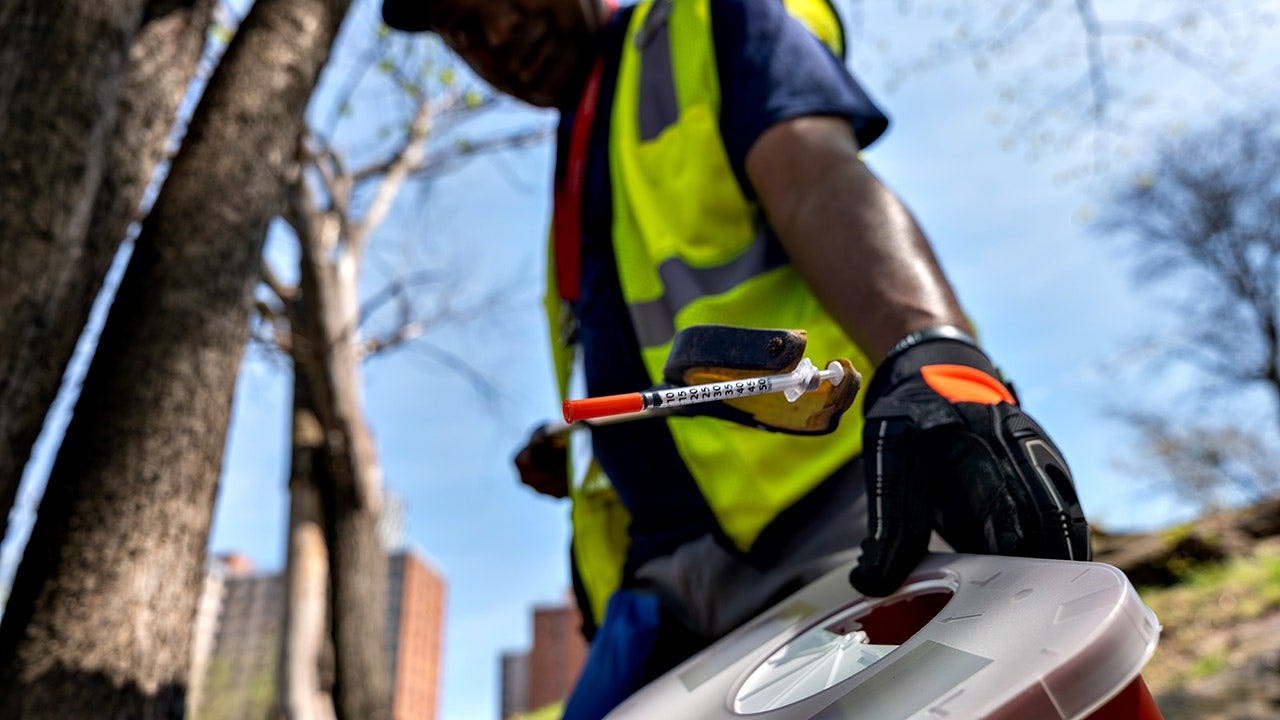
Facts: Mayor Zohran Mamdani’s first city budget included $3 million to continue the Community Syringe Redemption Program beyond its pilot; the program pays 20 cents per returned used syringe up to 50 per day, operates eight sites, and is administered by Addiction Response Resources under a reported $11.1 million contract through next year. Health officials report more than 2.3 million syringes collected since March 2025 and about $292,000 paid to roughly 1,700 participants in the first year. Sanitation data cited reports 26,229 discarded needles collected so far this year versus 64,560 in the same period of 2025. The article states the city is using opioid settlement funds (reported as more than $189 million received) to finance the program. Attributed claims and opinions: critics quoted say settlement funds should go to addiction treatment and that the program puts money in addicts’ pockets; the Health Department defends the program as reducing syringe litter and connecting people to care; at least one participant describes the payout as a “side hustle.” Uncertainties: the article does not present independent evaluations of the program’s effectiveness in reducing needlestick injuries, increasing treatment entry, or the precise budgetary tracing showing the $3 million originating directly from specific settlement funds.
Source and Framing Analysis
Source role and incentives: The supplied reporting is from Fox News and relies on reporting previously published by the New York Post and on city budget documents and official Health Department statements. Fox News and the New York Post often emphasize contentious angles, which can shape selection of quotes and framing. Missing voices: the piece lacks independent public‑health experts assessing outcomes (infection or needlestick injury trends), program participants beyond a single quoted individual, clinical providers or treatment program representatives, and clear budget-line citations showing the $3 million source. Disputed claims and verification needs: the article reports program metrics (syringes collected, payouts) as provided by city officials but does not independently verify outcomes or causal effects; the linkage between the $3 million appropriation and the larger $189 million settlement pool is asserted without reproducing the budget language. Items requiring independent verification include the program’s actual effect on public safety metrics, contractual details and oversight of Addiction Response Resources, and the precise budgetary source of the appropriation.
Biblical Reflection
This story raises a real pastoral tension between two legitimate goods: public safety (removing biohazard risks from public spaces) and a desire to see resources used to restore persons trapped in addiction. The reporting emphasizes controversy and taxpayer concern, and it highlights both measurable program activity (syringes collected, payouts made) and strong critiques about stewardship of settlement funds. The article’s framing favors a skeptical view of harm‑reduction payments by centering critics’ language ("putting money in the pockets of addicts") and a colorful participant quote; it offers the city’s defense but lacks independent evaluation of public-health outcomes (e.g., reductions in needlestick injuries, infections, or successful treatment referrals). From a Christian perspective, we should neither reflexively condemn harm‑reduction efforts nor ignore legitimate stewardship questions. Scripture calls us to protect neighbors (public safety) and to show mercy to the addicted, pursuing their healing and restoration. Prudence requires asking for clear evidence of effectiveness and accountability in use of designated settlement funds; compassion requires continued outreach and investment in treatment pathways. Christians can hold both truths: demand honest evaluation and fiscal responsibility while advocating for policies that reduce immediate harm and create pathways to care.
Scripture in context
- 1Luke 10:25–37 (Good Samaritan) — In Luke’s Gospel a legal expert asks Jesus who qualifies as 'neighbor.' Jesus answers with a story in which a Samaritan—socially despised by Jesus’ Jewish audience—tends to a violent assault victim’s immediate needs and ensures ongoing care. The passage critiques religious self‑righteousness and redefines neighborliness in terms of practical, costly mercy. — The passage calls the church to active, concrete care for people harmed or vulnerable, even when public policy debates get messy. It supports immediate efforts that prevent further bodily harm (removing biohazards) while also urging ongoing care that seeks sustained restoration (treatment, support).
Faithful Response
Individual Christians can: 1) Seek accurate information—ask city officials or public‑health departments for measurable outcomes and oversight details. 2) Volunteer with or support local outreach groups that combine harm reduction with pathways to treatment and recovery. 3) Advocate for transparent stewardship of settlement funds so money directed to communities prioritizes both immediate safety measures and long‑term treatment options. 4) Offer pastoral care: companion people with addiction, connect them to services, and pray for their recovery.
Reflection and Discussion
- 1Whose voices are centered in the article and whose perspectives are missing (public‑health researchers, clinicians, multiple program participants)?
- 2What outcome data would you need to evaluate whether the program is serving both public safety and recovery goals?
- 3How does the article’s language (e.g., 'paying users') shape public sympathy or stigma toward people with addiction?
Sources
Reporting links are evidence inputs; Sanctuary News' biblical reflection is commentary.
This outlook currently relies on fewer than two linked sources. Broaden verification before teaching from it.
- 1.Controversial program paying drug users for used syringes becomes permanent in NYCprimary_reporting