News Summary
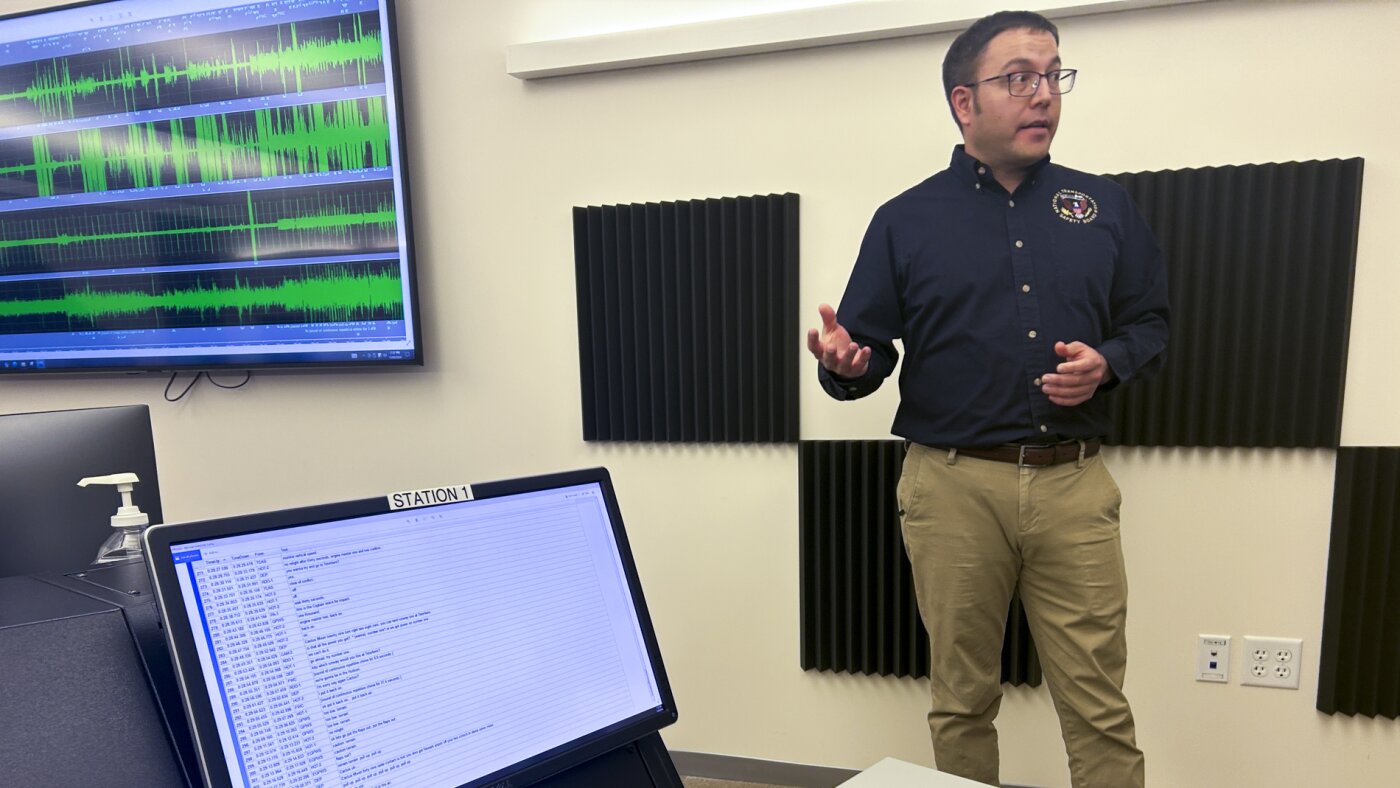
The National Transportation Safety Board (NTSB) temporarily removed public access to thousands of investigation documents after images of audio spectrograms published in the docket for UPS Flight 2976 were used to reconstruct approximations of cockpit voice audio. UPS Flight 2976 crashed shortly after takeoff from Louisville Muhammad Ali International Airport on November 4, 2025, killing 15 people, including three pilots. Investigators had created spectrograms while analyzing a mysterious high‑pitch ringing sound on the cockpit recording. Technologists using recent artificial intelligence and signal‑processing tools reconstructed audio from those spectrogram images; some reconstructed clips were posted online. In response, the NTSB reviewed its public docket materials and temporarily restricted access while evaluating safeguards. The agency said it is barred by law from releasing cockpit voice recordings and that the law protects privacy, the integrity of investigations, and victims' families. The NTSB has since restored most dockets, though several remain under review, and investigators have not yet identified the source of the ringing sound. The article names individuals who noticed or performed reconstructions (a YouTuber/engineer who flagged the issue and a contractor who demonstrated a reconstruction) and quotes NTSB Chair Jennifer Homendy criticizing the public posting of reconstructed audio.
Biblical Reflection
This story highlights a real moral tension between the public's desire for information and the duty to protect grieving people and the integrity of safety investigations. Technological advances do not change the underlying ethical obligations to respect victims' dignity and to preserve careful, unbiased inquiry. The NTSB's legal restrictions on releasing cockpit audio were designed to prevent humiliation, sensationalism, and interference with investigations; AI tools now make previously hidden information easier to recover, raising new risks. Christians should notice two dangers: (1) curiosity or novelty can become an excuse for violating privacy and causing additional harm, and (2) the cultural default toward technological capability as an automatic good can obscure responsibilities to exercise restraint. At the same time, transparency matters for public accountability; the right response seeks both truth and compassion. Practically, this calls for humility from technologists and investigators, accountability and updated safeguards from institutions, and restraint from media and individuals who might amplify reconstructed, unverified materials. The article reads as largely factual and balanced, though some quoted language is emotionally charged; readers should weigh technical capability against respect for victims and for due process.
Scripture in context
This outlook does not yet include contextual Scripture citations. Do not treat a general biblical theme as an exegetical conclusion.
Faithful Response
No prescribed response is offered. Consider the reflection prompts below in your own church context.
Reflection and Discussion
- 1How should we balance the public’s right to know with the need to protect victims and preserve the integrity of investigations when technology can reveal sensitive material?
- 2When new tools make private suffering easy to expose, who should bear responsibility — the individuals who share, the technologists who build the tools, or the institutions that publish underlying data?
- 3Does our fascination with technological possibility risk desensitizing us to the human cost behind newsworthy materials?
Sources
Reporting links are evidence inputs; Sanctuary News' biblical reflection is commentary.
This outlook currently relies on fewer than two linked sources. Broaden verification before teaching from it.
- 1.Original reportprimary