News Summary
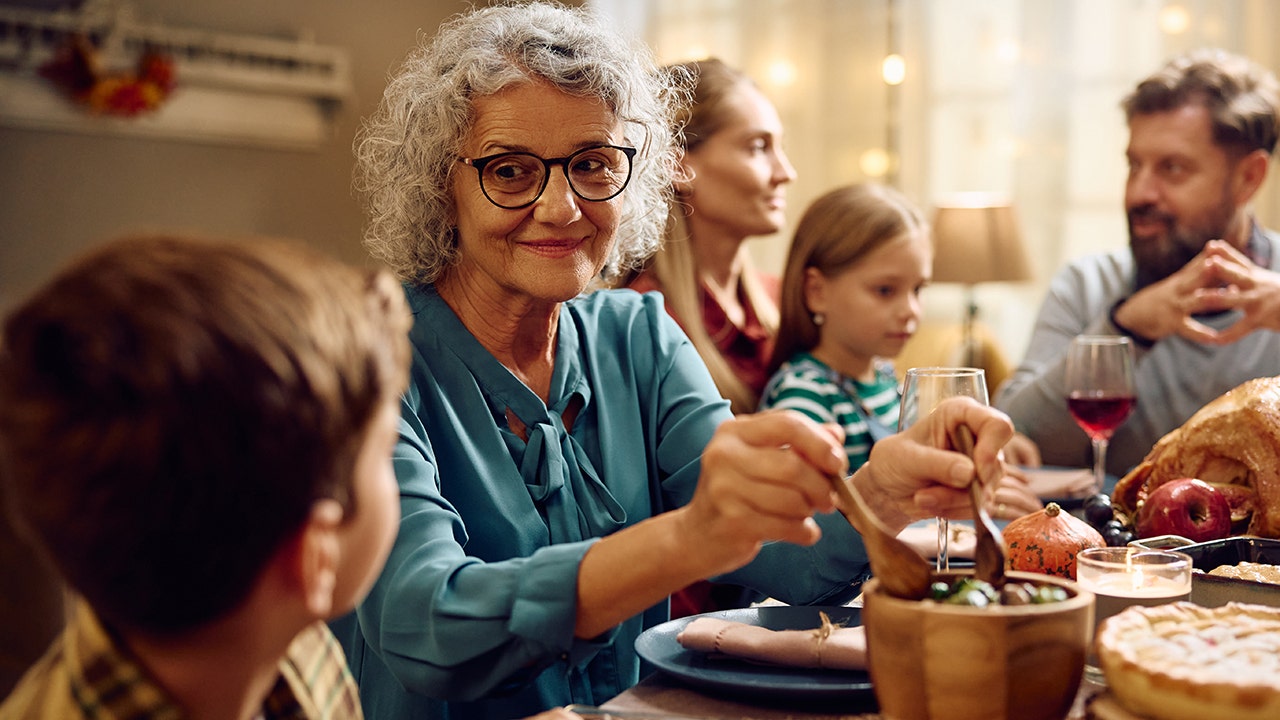
The article describes a 2026 social-media trend called "nonnamaxxing," inspired by the slower lifestyle associated with Italian grandmothers (Nonne). The trend emphasizes activities such as cooking from scratch, long shared meals, daily walks, gardening, hands-on hobbies (baking, knitting), and reduced screen time. Fox News Digital quotes a registered dietitian, Erin Palinski-Wade, who links home cooking and shared meals to improved diet quality and mindful eating, and psychotherapist Laurie Singer, who says in-person interaction and focusing on single tasks can improve mental health and reduce anxiety. Experts caution that the goal is to adapt the mindset rather than to replicate a past lifestyle perfectly, and warn against turning the trend into another source of pressure. The article frames the practice as a potential way to counteract social-media-driven comparison and overstimulation and suggests small, intentional habits may yield measurable mental and physical benefits.
Biblical Reflection
From a Christian perspective, many elements highlighted in the article reflect biblical values: hospitality, community, care for the body, simplicity, and intentional rest. Slowing down, sharing meals, and fostering face-to-face relationships resonate with Jesus’ practices of table fellowship and with Scripture’s concern for neighborly love and communal worship. The article’s claims about mental and physical benefits are plausible and align with stewardship of health and relational flourishing.
At the same time, treat the coverage with discernment. Framing these lived rhythms as a social-media "trend" can commodify practices that are deeper spiritual disciplines (hospitality, Sabbath rest, simplicity). The article simplifies complex causes of loneliness and anxiety by focusing on individual habits without addressing systemic or communal failures that contribute to social isolation. It also relies on general expert comments rather than pointing to long-term, peer-reviewed evidence; readers should avoid assuming quick fixes. Christians should welcome habits that cultivate presence and community, but guard against turning wholesome practices into sources of legalism, pride, or performative virtue.
In short: the article points to helpful practices that concord with biblical priorities (community, rest, stewardship), but its trend-based framing and limited analysis mean readers should integrate these habits as spiritual disciplines within church and family life, not as merely fashionable solutions.
Scripture in context
This outlook does not yet include contextual Scripture citations. Do not treat a general biblical theme as an exegetical conclusion.
Faithful Response
No prescribed response is offered. Consider the reflection prompts below in your own church context.
Reflection and Discussion
- 1Does labeling time-honored practices as a "trend" change how we value them spiritually — are we adopting rhythms for virtue or for social approval?
- 2Which underlying causes of loneliness and anxiety (economic, cultural, spiritual) does this article leave unaddressed, and how does that affect the scope of its proposed remedies?
- 3How might churches and Christian communities reclaim these habits (shared meals, hospitality, Sabbath rest) as spiritual practices rather than consumerized lifestyle choices?
Sources
Reporting links are evidence inputs; Sanctuary News' biblical reflection is commentary.
This outlook currently relies on fewer than two linked sources. Broaden verification before teaching from it.
- 1.Original reportprimary