News Summary
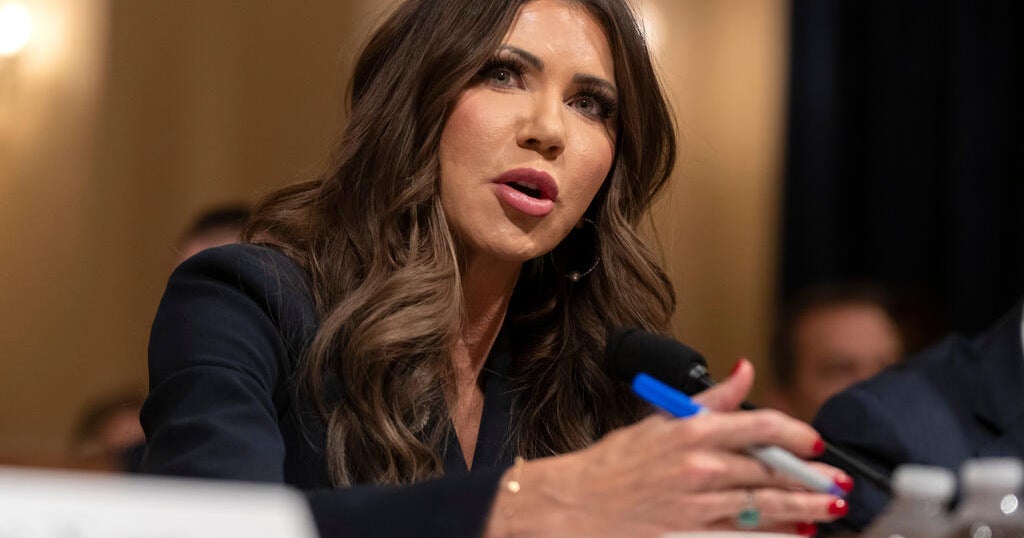
Secretary of Homeland Security Kristi Noem announced that the Trump administration will pause the diversity visa lottery program, citing its reported use by Claudio Manuel Neves Valente, who is accused of killing two Brown University students and an MIT professor. Noem claimed the suspect, now deceased, entered the U.S. through the lottery in 2017, receiving a green card. The diversity visa lottery, started in the 1990s, randomly issues 50,000 visas annually to applicants from countries with low immigration rates to the U.S. Applicants must meet education or work experience requirements and undergo vetting. The legal basis for Noem's pause is unclear, as most lottery visas are managed by the State Department. President Trump has long opposed the program, citing security risks and lack of merit-based selection. The program was previously suspended during Trump's first term but reinstated by President Biden. Neves Valente had earlier been in the U.S. on a student visa at Brown. He was found dead by suicide in New Hampshire after a multi-state investigation linked him to multiple shootings.
Biblical Reflection
From a biblical perspective, this story touches on themes of justice, hospitality, government authority, and the dangers of fear-driven responses. Scripture commands rulers to seek justice and protect the vulnerable (Micah 6:8; Romans 13:1-4), while also calling for compassion toward foreigners and strangers (Leviticus 19:34; Matthew 25:35). The tragic violence committed by one individual does not negate the dignity or worth of all immigrants, nor should it justify blanket suspicion or exclusion. At the same time, governments bear responsibility to protect their citizens and ensure the integrity of their processes. The Christian response must balance the pursuit of safety and justice with love and fairness, resisting the temptation to scapegoat entire groups based on the actions of a few. Ultimately, biblical wisdom calls for careful discernment, a just response to wrongdoing, and an abiding commitment to love our neighbors—including the stranger among us.
Scripture in context
This outlook does not yet include contextual Scripture citations. Do not treat a general biblical theme as an exegetical conclusion.
Faithful Response
No prescribed response is offered. Consider the reflection prompts below in your own church context.
Reflection and Discussion
- 1How can Christians advocate for both justice and compassion in matters of national security and immigration?
- 2What are the dangers of making policy decisions based on fear or the actions of isolated individuals?
- 3How does God's command to love the stranger challenge or affirm your views on immigration and public safety?
Sources
Reporting links are evidence inputs; Sanctuary News' biblical reflection is commentary.
This outlook currently relies on fewer than two linked sources. Broaden verification before teaching from it.
- 1.Original reportprimary