News Summary
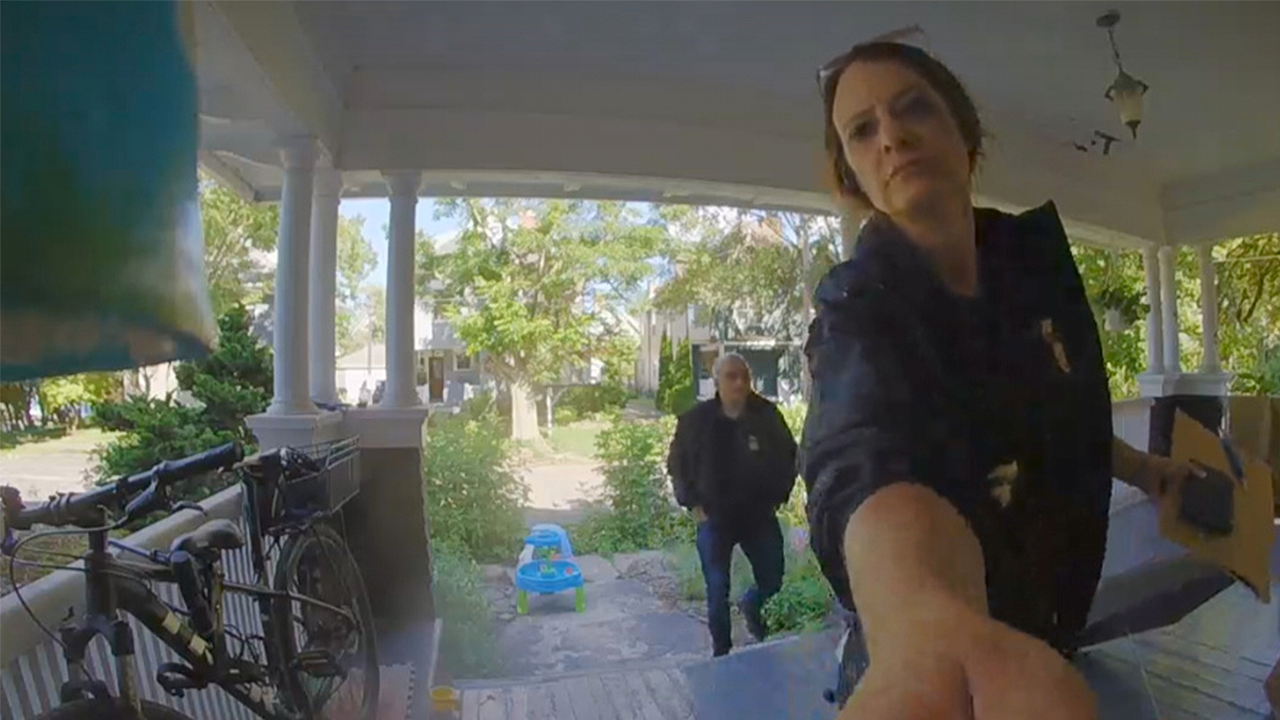
In June 2026 federal officers visited the Rochester, New York, home of David Streever and handed his wife a warning notice stating his January email to acting ICE Director Todd Lyons might violate federal law. Streever, a U.S. citizen, had emailed Lyons after an ICE agent fatally shot a U.S. citizen in Minneapolis; the email used harsh language and likened the acting director to a Nazi-era figure. Streever was out of the country when officers initially came; upon his return they attempted to contact him at a New York City hotel and left repeated voicemails identifying themselves as Homeland Security Investigations. Streever says the contacts frightened his young daughter. He filed suit in Washington, D.C., against the Department of Homeland Security, ICE, and Homeland Security Secretary Markwayne Mullin claiming the contacts were retaliation and a coercive response that violated his First Amendment rights. A lawyer for Streever argues the delayed action indicates the email presented no credible, immediate threat; DHS has denied attempting to suppress free speech. The complaint seeks a court order stopping what it calls coercion and retaliation. The article also notes a separate instance in which federal officers questioned a poll worker in New York about a social media post concerning the same ICE officer involved in the Minneapolis shooting; DHS responded that posting an officer's address can be a felony and may trigger investigation.
Biblical Reflection
This story raises a real tension between two legitimate responsibilities of government: protecting public safety and protecting constitutional speech. From a Christian perspective we should insist on both the rule of law and the protection of conscience and speech, especially when citizens protest perceived injustice. The facts reported suggest authorities acted months after the email, which supports the argument that the communication was rhetorical criticism rather than an imminent threat; if true, using law-enforcement contact in that context risks chilling lawful dissent. At the same time, if a critic shared an officer’s private address or otherwise exposed individuals to real danger, the state has a duty to investigate. Christians should be wary of dehumanizing rhetoric on every side—turning opponents into monsters makes measured, just responses harder. The article is reported by a partisan outlet and highlights examples that underscore a narrative of government intimidation; readers should weigh the timing, the content of the message, and the government’s stated justification. Pastoral discernment calls us to defend truth and justice without endorsing vindictive or violent language, to press authorities for transparency and proportionality, and to comfort those harmed by fear while holding public servants accountable to lawful restraint.
Scripture in context
This outlook does not yet include contextual Scripture citations. Do not treat a general biblical theme as an exegetical conclusion.
Faithful Response
No prescribed response is offered. Consider the reflection prompts below in your own church context.
Reflection and Discussion
- 1Does the timing and manner of government contact in this case suggest a legitimate safety response or an attempt to deter criticism?
- 2How should Christians weigh the protection of public servants' safety against the risk of chilling lawful, passionate protest?
- 3Are we allowing heated rhetoric to shape policy responses in ways that undermine fairness, restraint, and due process?
Sources
Reporting links are evidence inputs; Sanctuary News' biblical reflection is commentary.
This outlook currently relies on fewer than two linked sources. Broaden verification before teaching from it.
- 1.Original reportprimary