News Summary
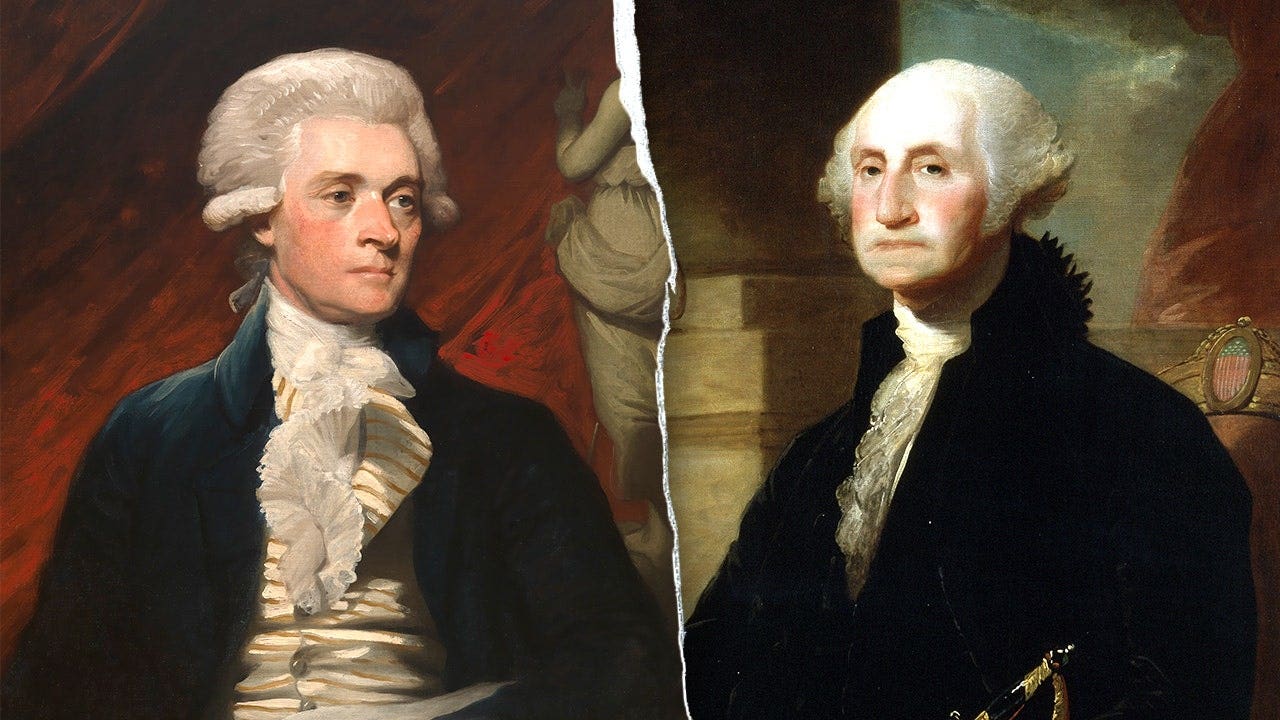
The article summarizes how recent and past discoveries — from DNA testing, archaeological excavations, and archival finds — have altered historians' understanding of several Founding Fathers. It cites the 1998 DNA study and the Thomas Jefferson Foundation’s assessment that Thomas Jefferson likely fathered children with Sally Hemings, while noting some historians and the Thomas Jefferson Heritage Society dispute that conclusion. It describes archaeological work at Mount Vernon that in 1999 uncovered George Washington’s large-scale whiskey distillery and artifacts that illustrated the operation’s industrial scale. It also notes Julian P. Boyd’s 1947 discovery of an earlier Jefferson draft of the Declaration of Independence, which clarified Jefferson’s drafts and the document’s revision process. The piece emphasizes that scientific methods and archival research continue to produce new evidence that refines historical narratives about America's founders.
Biblical Reflection
From a Christian pastoral perspective, this reporting highlights two healthy commitments: a pursuit of truth and a willingness to revise long-held assumptions when new evidence appears. The article largely presents factual findings and notes scholarly disagreement, which honors intellectual humility. Christians should welcome efforts to uncover truth — including difficult truths about slavery and personal failings — because honesty is necessary for repentance, reconciliation, and justice. At the same time, we should avoid two errors: idolizing founders as flawless heroes or using newly revealed faults solely to tear down their contributions. Scripture calls believers to hold truth and mercy together; that means acknowledging both the achievements and the sins of historical figures, seeking justice for wrongs, and learning from the past to shape a more faithful and neighbor‑loving future. Be alert to frames that simplify complex scholarship into tidy moral judgments; historical revision is often incremental and contested, not a single final verdict.
Scripture in context
This outlook does not yet include contextual Scripture citations. Do not treat a general biblical theme as an exegetical conclusion.
Faithful Response
No prescribed response is offered. Consider the reflection prompts below in your own church context.
Reflection and Discussion
- 1How does new evidence about revered figures change the way we should teach national history without erasing accomplishments?
- 2When historical findings reveal moral failings, how can the church balance truth-telling with a posture of mercy and a pursuit of justice for those harmed?
- 3Am I inclined to treat historical figures as idols or villains, rather than complex people whose lives call us to both gratitude and correction?
Sources
Reporting links are evidence inputs; Sanctuary News' biblical reflection is commentary.
This outlook currently relies on fewer than two linked sources. Broaden verification before teaching from it.
- 1.Original reportprimary