News Summary
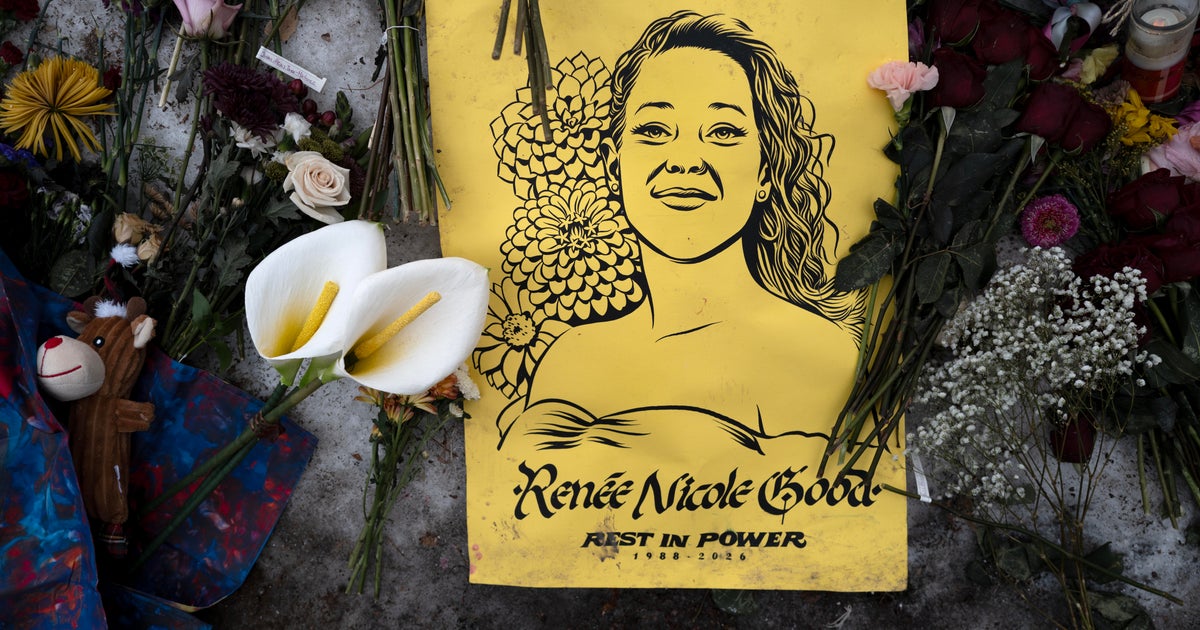
The article details the fatal shooting of Renee Good, a 37-year-old woman, by ICE officer Jonathan Ross in Minneapolis, alongside a surge in federal immigration enforcement in Minnesota called 'Operation Metro Surge.' Good was shot multiple times in her SUV during an encounter with ICE agents. The shooting is one of several recent violent incidents involving federal agents in Minneapolis, sparking widespread protests, community fear, and legal challenges.
President Trump has threatened to invoke the Insurrection Act to deploy the military in response to unrest, while local officials, including Governor Tim Walz and Mayor Jacob Frey, have called for de-escalation and the removal of federal agents from the city. There are ongoing lawsuits challenging the constitutionality of the federal operations, particularly regarding warrantless arrests and alleged excessive force. The Justice Department has declined to open a civil rights investigation into Good’s death, leading to resignations among career prosecutors. The crackdown has led to arrests, fear among immigrant communities (notably Somalis facing the loss of Temporary Protected Status), and disruptions in schools and workplaces. Community leaders, faith groups, and union representatives are organizing vigils, protests, and calls for a statewide day of mourning and action. The article includes accounts of alleged racial profiling, mistaken raids, and ICE’s presence in hospitals and public spaces, deepening community distrust and fear.
Biblical Reflection
This news story is fraught with pain, division, and controversy, raising deep biblical questions about justice, compassion, and the right use of authority. Scripture calls us to honor governing authorities (Romans 13:1), but it also clearly commands that justice be exercised without partiality or oppression (Isaiah 1:17, Micah 6:8). The militarized enforcement, fear-driven tactics, and tragic loss of life seen in Renee Good’s death point to a grave departure from the biblical ideal of justice tempered by mercy and respect for the dignity of every person, regardless of status. Christ’s teachings emphasize love for neighbor (Luke 10:25-37) and hospitality to the stranger (Matthew 25:35-40). The voices of protest, legal challenge, and community mourning echo a longing for righteousness and peace that reflects the heart of God. When institutions lose sight of the humanity of those they govern or enforce the law upon, or when fear and division rule, the result is not the shalom (peace and flourishing) that God desires for society. Christians are called to be peacemakers and advocates for the vulnerable, to mourn with those who mourn, and to speak truth and seek justice even when it is costly. The lack of transparency, racial profiling, and disregard for due process described in the article are deeply troubling through a scriptural lens, as is any rhetoric that stokes division or dehumanizes others. The Christian response is not to ignore law or order, but to insist that law be just, merciful, and rooted in regard for the image of God in every person.
Scripture in context
This outlook does not yet include contextual Scripture citations. Do not treat a general biblical theme as an exegetical conclusion.
Faithful Response
No prescribed response is offered. Consider the reflection prompts below in your own church context.
Reflection and Discussion
- 1How can you, as a follower of Christ, respond with both truth and compassion to injustices or abuses of power in your community?
- 2Where do you see opportunities to be a peacemaker or advocate for the vulnerable in the midst of social and political conflict?
- 3How can Christians hold both law enforcement and political leaders accountable while praying for their wisdom and the welfare of all people affected by their decisions?
Sources
Reporting links are evidence inputs; Sanctuary News' biblical reflection is commentary.
This outlook currently relies on fewer than two linked sources. Broaden verification before teaching from it.
- 1.Original reportprimary