News Summary
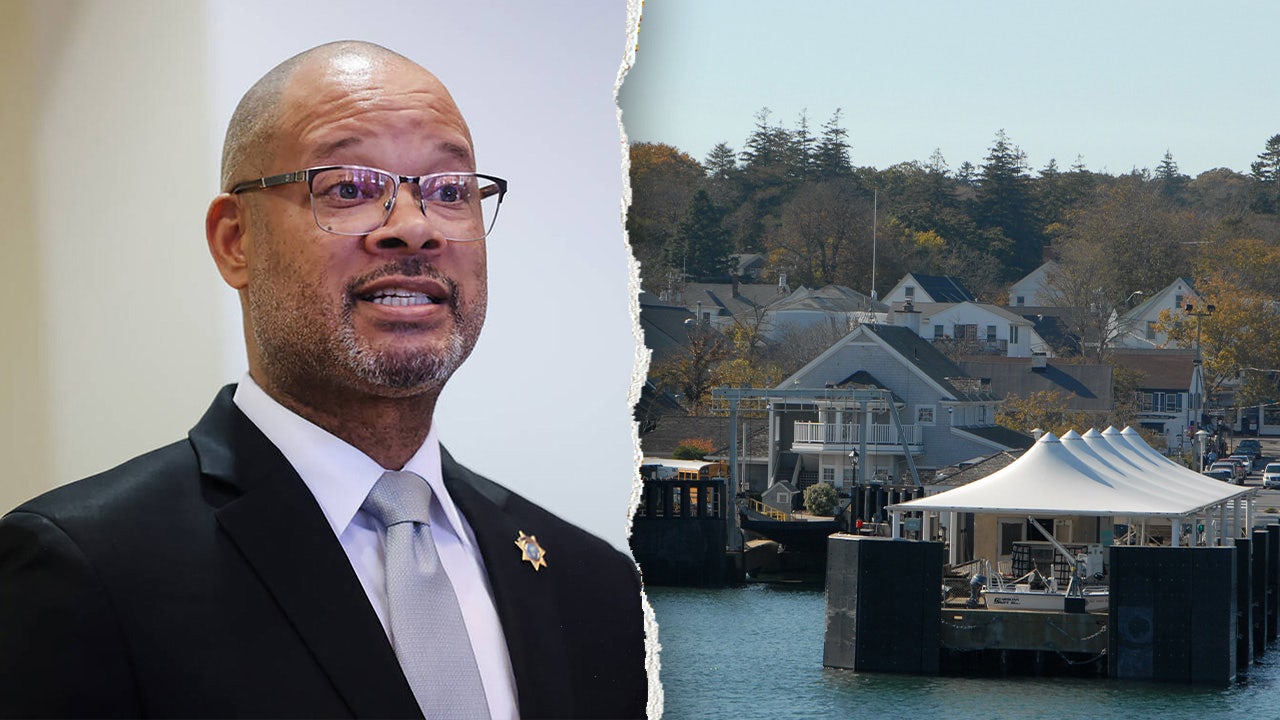
Nevada Attorney General Aaron D. Ford, a Democrat and candidate for governor in 2026, has incurred roughly $270,000 in airfare costs since taking office in 2019. When combined with more than $140,000 in travel and lodging provided by outside groups (for example the Democratic Attorneys General Association), the reported total exceeds $410,000 in travel-related expenses over seven years. In 2024 alone, Ford’s out-of-state travel expenses totaled about $60,730 for trips to 16 cities, including itemized charges of $2,819 for Secrets Puerto Los Cabos and $11,992 at Martha’s Vineyard. Ford’s office confirmed he spent as many as 137 days away from Nevada in 2024; local reporting found he spent at least 420 days out of state during his tenure as attorney general. Ford’s office says much of the travel was for official meetings, including bipartisan attorney general organizations (NAAG and AGA), and that campaign funds were used for campaign events and allowable official business. Republicans and an outside PAC have criticized the expenses and time away from the state. Separately, the Nevada Commission on Ethics is investigating whether Ford solicited improper gifts or used his office to benefit himself. Ford’s predecessor is noted to have had far lower out-of-state expenses in his final year. The reporting quotes Republican critics and campaign officials who frame the travel as excessive; Ford’s office disputes that characterization and emphasizes official duties and permissibility under state law.
Biblical Reflection
From a Christian perspective, this story raises questions of public stewardship, accountability, and the character expected of elected leaders. Biblical teaching calls leaders to serve with integrity, to be good stewards of resources entrusted to them, and to lead by example (see Luke 16:10-11 and 1 Peter 5:2-3). The article highlights a tension between two legitimate concerns: the operational need for officials to travel for intergovernmental coordination and the public expectation that officials not create the appearance of impropriety or misuse of funds. Media framing and political commentary in the piece are partisan and aimed at persuasion; critics’ claims and the spokesperson’s defenses are both included, so readers should note the competing narratives and await the ethics commission’s findings rather than presume guilt. Christians should be attentive to truth and fairness: demand transparent accounting and proper oversight, resist rushes to character assassination, and pray for impartial investigation. At the same time, Christians should expect higher standards for leaders—visible stewardship, humility, and accountability—because public trust is a spiritual and civic good. Be cautious of media rhetoric that amplifies partisan angles; evaluate facts (dates, amounts, funding sources, official rules) and follow due process.
Scripture in context
This outlook does not yet include contextual Scripture citations. Do not treat a general biblical theme as an exegetical conclusion.
Faithful Response
No prescribed response is offered. Consider the reflection prompts below in your own church context.
Reflection and Discussion
- 1Am I weighing both the factual record (amounts, funding source, stated purpose) and the political framing when forming an opinion about a public official?
- 2How should Christians balance patience for due process with the biblical expectation that leaders model prudent stewardship and transparency?
- 3What concrete measures of accountability and transparency would reduce the appearance of impropriety in public office, and are those measures being demanded consistently across parties?
Sources
Reporting links are evidence inputs; Sanctuary News' biblical reflection is commentary.
This outlook currently relies on fewer than two linked sources. Broaden verification before teaching from it.
- 1.Original reportprimary